

If you’re searching for covered porch lighting ideas, chances are your current porch sits dark after sunset. Most covered porches rely on a single ceiling light, which creates harsh glare, deep shadows, and a garage-like feel rather than a comfortable outdoor living space. Whether you’re upgrading a covered porch, looking for patio lighting, or gathering screened porch lighting ideas, the key is layered lighting that brings warmth, usability, and atmosphere to the space.
Good lighting is especially important in Maryland, Virginia, and DC, where porches are used extensively from spring through fall. The right lighting turns your porch into a true extension of your home—not a space that goes unused after dusk.
Why Most Covered Porch Lighting Falls Short
A big reason homeowners search for better covered porch lighting ideas is because traditional indoor fixtures don’t hold up outside. Humidity and temperature swings corrode indoor-rated fixtures quickly, requiring frequent replacement. More importantly, a single overhead light doesn’t provide the layered illumination needed for relaxing, reading, or hosting guests.
Poor placement creates dark corners, harsh shadows, and unflattering light. Cool-white bulbs make outdoor spaces feel sterile. Without dimmers or accent lighting, you have no control over brightness or mood—both essential elements for any effective patio lighting plan.
The Three Must-Have Layers for Great Porch Lighting
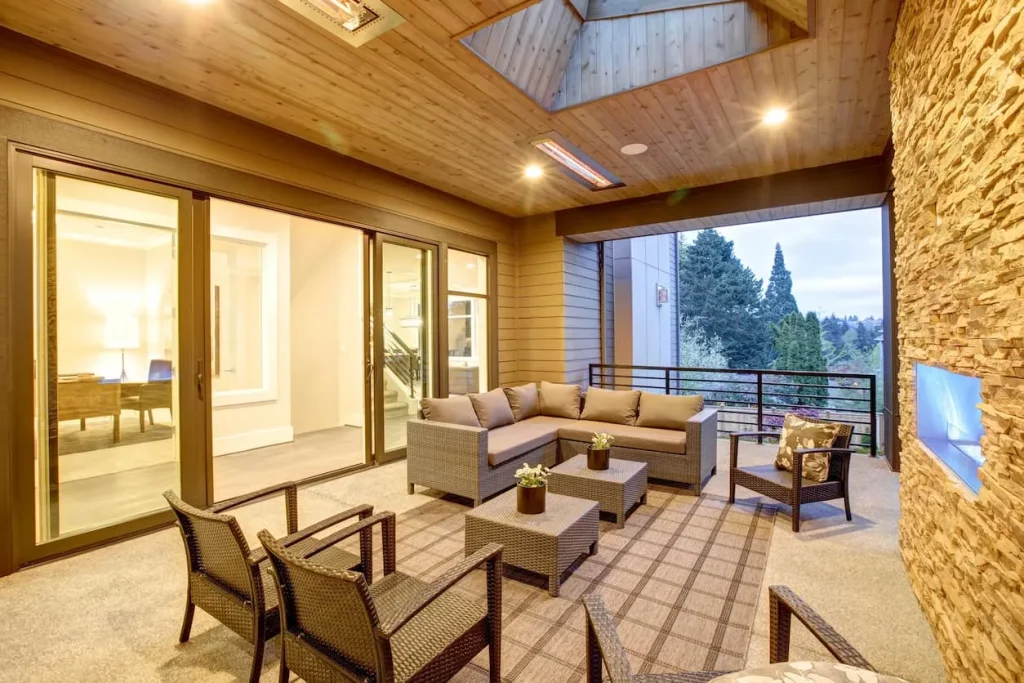
For truly effective covered porch lighting ideas or covered porch design, every space needs three layers of light:
Ambient Lighting
Ambient lighting provides general visibility across the porch. Recessed lights, flush mounts, semi-flush fixtures, or pendants create an even glow and set the foundation for your lighting plan.
Task Lighting
Task lighting supports activities like reading, dining, or conversation. Wall sconces, table lamps, or directional lights brighten the spaces where people actually sit.
Accent Lighting
Accent lights add softness, depth, and atmosphere. String lights, uplights on columns, and subtle path lighting elevate the space from functional to inviting.
Fixture Types That Work for Covered Porches
Here are seven different lighting options that can transform your patio into a light and bright environment:
| Type of Lighting | Description | |
 |
Recessed cans | Provide clean ambient lighting and avoid visual clutter. Choose damp- or wet-rated housings depending on exposure. LED retrofit kits modernize older cans with warm, energy-efficient lighting. |
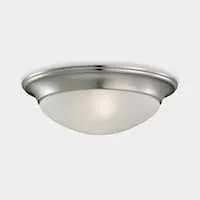 |
Flush-mount fixtures | Ideal for low ceilings and provide broad, diffused light. Look for sealed lenses and corrosion-resistant finishes designed for outdoor use—especially important when researching durable patio cover lighting options. |
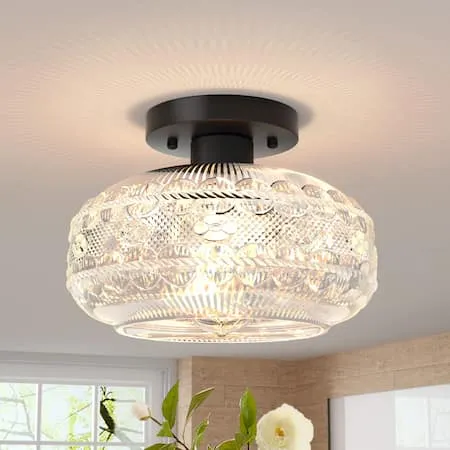 |
Semi-flush fixtures | Work in 8–9 foot ceilings when you want a bit more style than a flush mount without sacrificing headroom. Choose a design that complements your home’s architecture. |
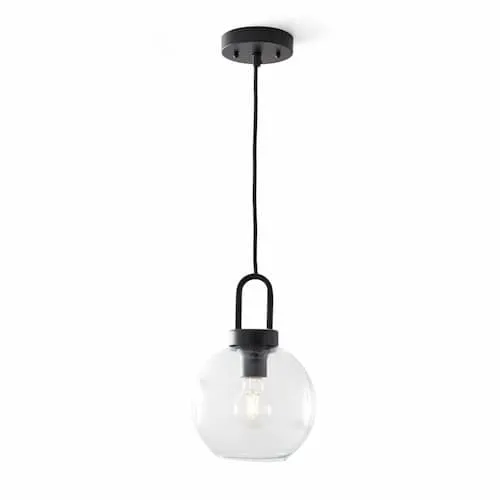 |
Pendant lights | Add visual interest and focused lighting, especially over dining tables or seating groups. Keep at least seven feet of clearance below the fixture. |
 |
Wall sconces | Provide excellent task and accent lighting. Use downward-facing or diffused glass to avoid glare, and mount 60–66 inches from the floor for comfortable visibility. |
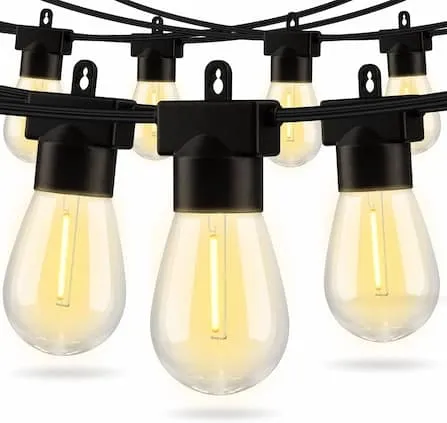 |
String lights | Instantly warm up a porch. Commercial-grade versions hold up better than decorative party lights. They can be draped in straight lines or gentle patterns depending on the aesthetic. |
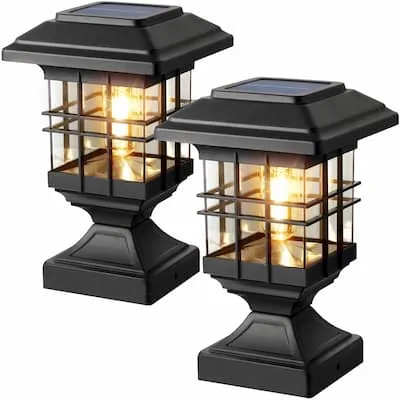 |
Post cap lights | Offer subtle perimeter lighting and help visually frame the porch. Hardwired versions give more consistent light than solar options. |
Lighting Design Approaches for Different Porch Styles
Lighting choices for covered porches can also be selected based on the style of the house and porch:
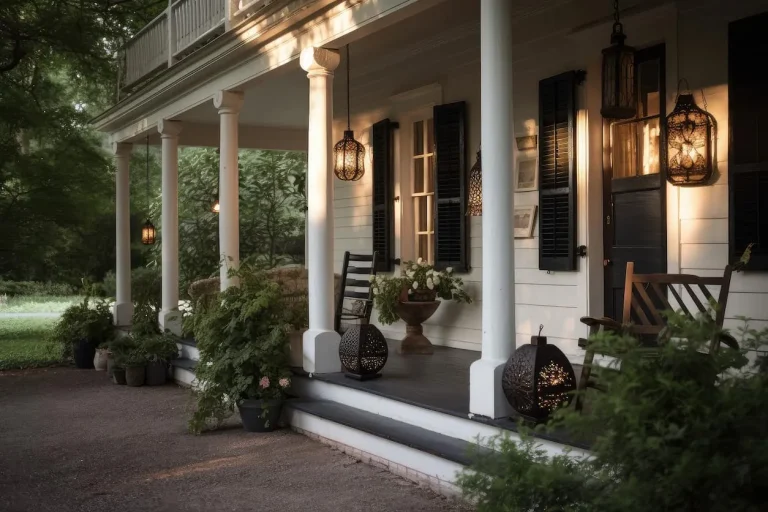
- Traditional Colonial porches pair well with classic lantern-style fixtures in black or bronze. Warm color temperatures and symmetrical placement reinforce the architectural style and are a staple in traditional covered porch lighting ideas.
- Craftsman porches benefit from simple geometric fixtures, often in bronze or copper. Mission-style lanterns and straight-line designs fit the aesthetic. String lights hung in neat, parallel rows can complement the look.
- Modern Farmhouse lighting blends rustic forms with clean finishes. Black metal barn lights, cage pendants, and simple sconces pair well with warm Edison-style bulbs.
- Contemporary porches favor minimalist fixtures—recessed lights, slim sconces, and hidden LED strips. Clean lines and matte finishes keep the design low-profile.
- Mediterranean or Coastal porches work well with more decorative lighting—curved lanterns, wrought iron, weathered finishes, or nautical themes.
Electrical Requirements and Installation Realities
Most covered porches have minimal existing electrical – maybe one ceiling box for a single fixture. Adding proper layered lighting requires running new wiring, installing additional junction boxes, and possibly adding circuits.
If your porch has accessible attic space above, running new wiring is relatively simple. Electricians fish wires through the attic, drop them down to new fixture locations, and connect everything to existing circuits (if capacity allows) or add new circuits at the panel.
Porches without attic access require surface-mounted conduit or fishing wires through walls – more invasive and expensive. Sometimes the best approach is running wiring from inside the house through an exterior wall to reach the porch.
Outdoor circuits require GFCI protection. This either happens at the breaker (GFCI breaker) or at the first outlet on the circuit. Outdoor lighting circuits don’t need GFCI protection if they’re dedicated to lighting only, but most electricians install it anyway as added safety.
Load calculations matter when adding multiple fixtures. A 15-amp circuit handles about 1,800 watts. LED fixtures use minimal power – you can run 15-20 LED fixtures on a single 15-amp circuit without approaching capacity. Older incandescent or halogen fixtures require more careful calculation.
Switch placement affects usability. Install light switches inside your home near the door leading to the porch. Multiple switches for different lighting zones give you control – ambient lights on one switch, accent lights on another. Three-way switches let you control lights from multiple locations.
Dimmer switches add flexibility but must be rated for the fixture types you’re controlling. LED fixtures require LED-compatible dimmers. Not all outdoor fixtures are dimmable – check specifications before assuming dimming capability.
Consider smart switches or smart bulbs for advanced control. You can program lighting scenes, control lights remotely, set timers, or integrate with motion sensors. This adds cost but provides convenience that changes how you use the space.
Budget-Friendly Lighting Ideas That Still Look Good
If you’re trying to save money, there are still plenty of ways to add lighting to your covered porch, including:
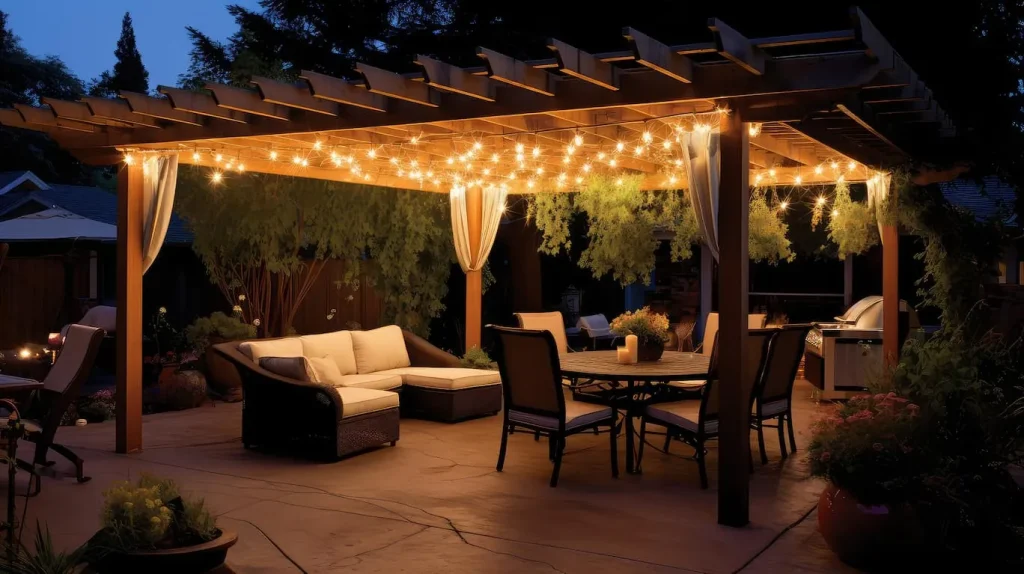
- String lights alone can transform a covered porch for under $200. Commercial-grade string lights with Edison bulbs or globe shades create warm ambiance without requiring electrical work beyond plugging into an existing outlet.Hang them in straight lines parallel to the porch edge, zigzag them across the ceiling, or create geometric patterns. Use screw eyes or cup hooks mounted into ceiling joists every 18-24 inches. The visual impact far exceeds the minimal investment.
- Solar accent lights add layers without wiring. Solar post cap lights define railings. Solar spotlights uplight columns or plants. They charge during the day and illuminate automatically at night.The limitation is light quality – solar fixtures produce less light than hardwired options and depend on adequate sun exposure for charging. But for accent lighting in areas without easy electrical access, they’re practical solutions.
- Retrofit existing fixtures instead of replacing them. Swap old bulbs for warm-white LEDs. Add dimmer switches to circuits with basic on-off switches. Install smart bulbs in existing fixtures to gain color and dimming control without rewiring.LED retrofits reduce energy costs while improving light quality. An old fixture using 100-watt incandescent bulbs drops to 15 watts with LED retrofits while producing the same light output. Over the fixture’s remaining life, you save the retrofit cost in electricity alone.
- DIY wall-mounted fixtures using mason jars or other containers create custom lighting at minimal cost. Wire simple light sockets (rated for wet locations), mount them to weatherproof backplates, and add decorative shades or housings.
- Battery-powered LED fixtures provide task lighting without electrical work. Battery-operated wall sconces mount with screws or adhesive. LED candles in lanterns create ambient light. Motion-sensor LED strips add light where needed.The downside is battery maintenance – you’re changing or charging batteries regularly. But for renters or anyone wanting lighting without electrical work, battery options provide functional solutions.
What Proper Porch Lighting Actually Costs
Budget varies widely depending on scope. Here’s a straightforward breakdown:
- Basic upgrades: new bulbs, dimmer switches, one or two fixtures
- Mid-range projects: multiple new fixtures, new circuits, full redesign
- High-end installations: premium fixtures, smart controls, indoor-outdoor integration
Fixture costs range just as much, from basic outdoor flush mounts to quality pendants to premium designer fixtures. Electrician labor is the other major variable. A simple fixture swap takes under an hour. Running new circuits and installing multiple fixtures takes significantly longer.
String lights are a budget-friendly option available as DIY or professionally installed with commercial-grade materials. Smart controls add cost per switch or fixture depending on the system you choose.
The investment is worth it when the lighting actually makes you use the space. A porch you spend 50 evenings a year on because the atmosphere is right delivers far more value than cheaper lighting you never bother turning on.
Lighting Specific Porch Areas and Activities
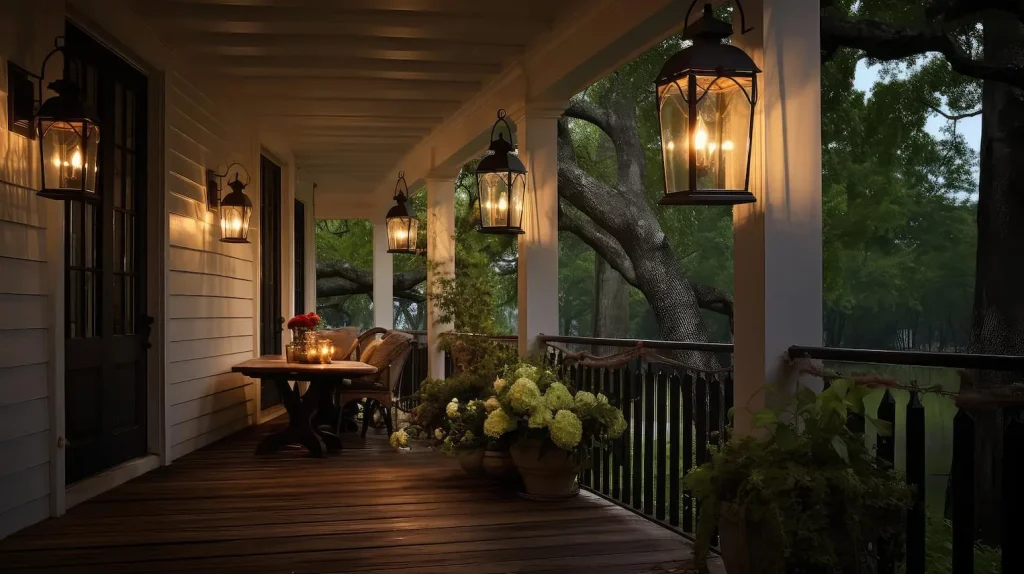
Good porch lighting starts with thinking about each zone separately. Different activities need different light, and getting that right is what makes a porch feel comfortable rather than just bright.
Common zones and what works for each:
- Dining areas: A pendant or chandelier hung 30-36 inches above the table, with dimming capability for flexibility between family meals and entertaining
- Seating and conversation areas: Wall sconces or table lamps at seated eye level, around 48-60 inches from the floor, for warm indirect light
- Entry zones: Flanking wall sconces at 60-66 inches with a ceiling fixture above the landing; motion sensors work well here for convenience and safety
- Circulation paths: Low-level path lights or LED strips under railings keep walkways visible without adding harsh light to the overall space
- Architectural features: Up-lights at column bases or LED strips in beam pockets add visual depth and highlight details after dark
The goal is even, layered illumination throughout the space. Dark gaps between well-lit zones make people hesitant to move through the porch, so think about how the zones connect, not just how each one looks on its own.
Color Temperature, Brightness, and Bulb Selection for Covered Patios
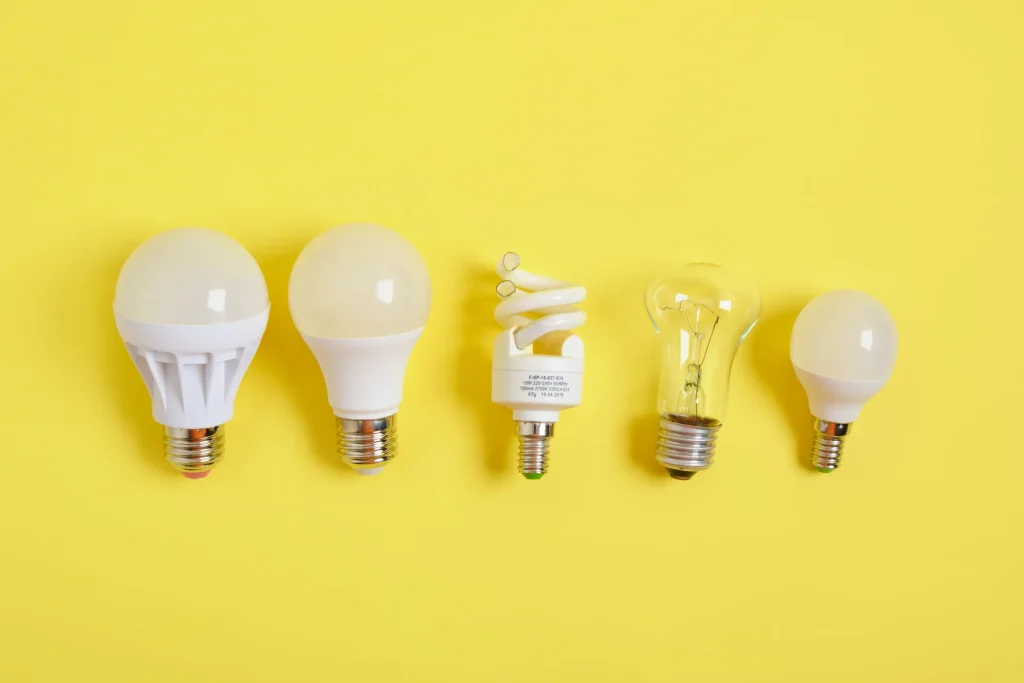
Color temperature measures in Kelvin (K) and dramatically affects atmosphere. Lower numbers produce warm, yellow light. Higher numbers produce cool, blue-white light.
- 2700K mimics traditional incandescent bulbs – warm, slightly yellow, comfortable for residential spaces. This works well for most covered porch applications.
- 3000K is warm white – slightly crisper than 2700K but still warm and inviting. This works for modern or contemporary porches where you want clean white light without the yellow cast.
- 4000K-5000K is cool white – starts feeling commercial and sterile. Avoid these temperatures for covered porches unless you’re intentionally creating a modern, gallery-like space.
- Mix color temperatures cautiously. Using both 2700K and 3000K fixtures in the same space creates noticeable differences that feel unintentional. Stick to one color temperature throughout for cohesive lighting.
Brightness levels matter more than most homeowners expect. Too much light and your porch feels like a parking lot. Too little and you can’t actually use the space.
- Ambient lighting should provide 10-20 lumens per square foot. A 200-square-foot porch needs 2,000-4,000 lumens total ambient light. Spread this across multiple fixtures rather than one bright source.
- Task lighting adds 30-50 lumens per square foot in specific areas. A reading nook needs brighter light than general seating. Dining areas need adequate light to see food and faces.
- Accent lighting operates at lower levels – 5-10 lumens per square foot. The goal is visual interest, not illumination. Too-bright accent lights overpower the effect you’re creating.
LED bulbs dominate outdoor lighting now. They last 15,000-25,000 hours compared to 1,000 hours for incandescent. They use 80% less energy. They work in cold temperatures where CFLs fail.
- Choose dimmable LEDs if you’re installing dimmer switches. Not all LEDs dim smoothly – some flicker or drop out at low settings. Quality dimmable LEDs cost more but perform significantly better.
- CRI (Color Rendering Index) matters for outdoor spaces where you’re viewing people, food, and plants. CRI above 90 renders colors accurately. Lower CRI makes everything look washed out. Most quality LED bulbs rate 90+ CRI now.
- Avoid smart bulbs in fixtures you can’t reach easily. When the smart bulb fails, you’re dealing with ladder work to replace it. Use smart switches instead for easier maintenance.
Adding Motion Sensors, Timers, and Smart Controls to Covered Porch Lighting
You can add even more control and functionality to your porch lighting by adding sensors, timers, and smart capabilities:
- Motion sensors activate lights automatically when someone enters the porch area. This provides security lighting and convenience – you’re never fumbling for switches with full grocery bags.Position sensors to cover entry approaches without triggering from street activity. Adjust sensitivity to avoid false triggers from small animals or wind-blown branches. Most sensors allow delay adjustments – lights stay on 1-20 minutes after last motion detection.
Consider separate motion control for security lighting versus ambiance lighting. Motion sensors work well for bright entry lights. They’re less appropriate for mood lighting you want to control manually.
- Timers and photocells automate lighting based on time or daylight. Photocells turn lights on at dusk, off at dawn. Timers run lights on set schedules – on at 7 PM, off at midnight.This saves energy while ensuring your porch stays lit when needed. Coming home to a dark porch feels unwelcoming. Automated lighting solves this without requiring manual operation.
Combine approaches for best results. Photocell activation at dusk, timer shut-off at 11 PM. This provides lighting during evening hours without running lights all night when nobody’s using the space.
- Smart lighting systems provide advanced control through apps, voice commands, or integration with home automation systems. Adjust brightness, change colors (with RGB bulbs), create scenes, set schedules – all from your phone.Smart switches control all bulbs on a circuit simultaneously. Smart bulbs provide individual control but require leaving wall switches on always. For most covered porches, smart switches make more sense than smart bulbs.
Voice control works well for porch lighting. “Turn on porch lights” is easier than walking to a switch, especially when your hands are full. Integration with Amazon Alexa, Google Assistant, or Apple HomeKit requires compatible switches or bulbs.
Maintenance and Longevity Considerations for Covered Porch Lighting Ideas
When coming up with ideas for covered porch lighting, it’s important to take maintenance and the elements into consideration. Outdoor fixtures require more maintenance than indoor fixtures. Humidity causes corrosion. Temperature cycles stress seals. Insects nest in fixture housings. Spiderwebs accumulate in sconces and pendants.
Clean fixtures twice yearly – spring and fall. Wipe down housings, remove debris from vents, check for corrosion or loose connections. Replace gaskets showing wear. This simple maintenance extends fixture life significantly.
LED bulbs last 15-20 years in typical use. But outdoor exposure accelerates failure. Expect 10-15 years realistically. Keep spare bulbs on hand for quick replacements rather than dealing with partial lighting while waiting for orders.
Fixture finishes weather differently. Powder-coated finishes hold up well. Raw metal requires periodic refinishing. Painted fixtures need touch-up every 5-7 years. Stainless steel and copper develop patina that some homeowners like, others don’t.
Wiring and connections deteriorate in outdoor environments. Annual inspection of accessible wiring catches problems before they cause failures. Look for corroded connections, damaged insulation, or loose mounting.
Dimmer switches and controls wear faster than fixtures. A dimmer controlling lights used daily might fail after 5-7 years. Keep the original packaging and documentation for warranty claims and replacement part numbers.
Motion sensors accumulate dirt on lenses, reducing sensitivity. Clean lenses monthly with microfiber cloth. Avoid harsh cleaners that might damage plastic lenses or waterproof seals.
Common Covered Patio Lighting Mistakes and How to Avoid Them
- Using indoor-rated fixtures outdoors. This is the most expensive mistake because it requires replacing failed fixtures within 2-3 years. Always use damp-rated or wet-rated fixtures for covered porches. The small price premium prevents premature failure.
- Installing only one light source. Single-fixture lighting creates flat, uninviting spaces. Add at least three light sources for basic layering – ambient ceiling light, task lighting for activities, accent lighting for atmosphere.
- Positioning lights too high. Ceiling lights mounted in 12-foot ceilings provide plenty of light but create harsh shadows and unflattering illumination. Lower fixture heights or add wall-mounted lights at human scale.
- Forgetting dimming capability. You can’t un-install bright lights once they’re up, but you can always dim lights down. Install dimmers on all controllable circuits for maximum flexibility.
- Mismatching color temperatures. Mixing 2700K and 4000K fixtures in the same space looks accidental and unprofessional. Choose one color temperature and stick with it throughout the porch.
- Overlooking fixture accessibility. Installing complex fixtures in hard-to-reach locations creates maintenance headaches. Plan for how you’ll change bulbs and clean fixtures before finalizing positions.
- Ignoring neighboring outdoor spaces. Your porch lighting should coordinate with landscape lighting, garage lights, and other outdoor illumination. Conflicting light levels or color temperatures create visual disconnect.
- Under-sizing electrical circuits. Adding multiple new fixtures to an existing circuit can overload it. Calculate total wattage and add new circuits when necessary rather than pushing existing circuits beyond capacity.
Safety and Code Requirements for Porch Lighting

Electrical code requires GFCI protection for outdoor receptacles. Lighting circuits typically don’t require GFCI unless they’re within 6 feet of water sources. But many electricians install GFCI protection on outdoor lighting circuits anyway for added safety.
All outdoor electrical boxes need weatherproof covers rated for wet or damp locations. Standard indoor boxes won’t keep moisture out, leading to corrosion and potential safety hazards.
Fixtures must be rated for their installation location. Fully exposed areas require wet-rated fixtures. Covered areas protected from direct weather need damp-rated fixtures minimum. Check fixture specifications – the rating appears on the packaging and in installation instructions.
Proper grounding protects against electrical faults. All metal fixtures and boxes require grounding connections. The green or bare copper wire connects to the grounding screw or grounding clip in every box.
Stair lighting has specific code requirements in many jurisdictions. Steps need adequate illumination for safe navigation. Some codes require lights at the top and bottom of stairs. Check local requirements before finalizing stair lighting plans.
Overhead clearances matter for hanging fixtures. Maintain 7 feet minimum clearance in walking areas. Lower clearances work over furniture where people don’t walk, but 7 feet provides comfortable passage without head-bumping.
Switch accessibility requires switches controlling exterior lighting to be reachable from inside the house. You shouldn’t need to go outside to turn on exterior lights. Install switches near doors leading to the porch.
Seasonal Considerations for Year-Round Porch Lighting
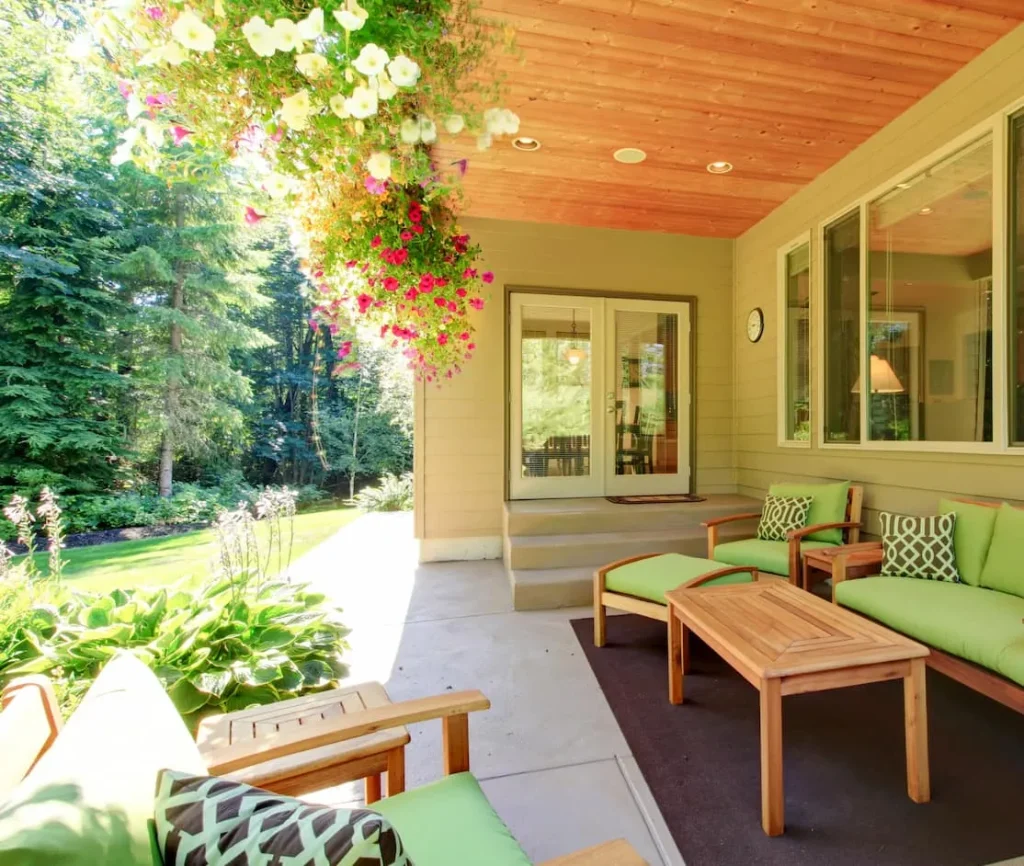
Maryland, Virginia, and DC experience four distinct seasons. Your porch lighting needs work across all of them.
Winter brings shorter days and longer nights. You’ll use porch lighting more in winter than summer simply because darkness arrives earlier. Plan for this usage pattern – winter is when lighting quality matters most.
Cold temperatures affect some light sources. LEDs actually perform better in cold weather. Incandescent and halogen bulbs work fine. CFLs struggle in cold temperatures and shouldn’t be used in unheated covered porches.
Summer heat can shorten bulb life in enclosed fixtures. Choose fixtures with adequate ventilation. Avoid placing enclosed fixtures in locations receiving direct afternoon sun through porch openings.
Spring and fall shoulder seasons offer the best weather for porch use. Lighting that encourages evening porch use during these months provides the greatest value. These are the times you’ll actually sit outside after dark.
Holiday lighting integration works better when planned ahead. If you string holiday lights on your porch annually, install dedicated outlet circuits and mounting points. This saves time and prevents damage from improvised mounting methods.
How We Approach Covered Porch Lighting Projects
At Blue Collar Scholars, we start every lighting project by understanding how you actually use your porch. Morning coffee? Evening entertaining? Reading? Dining? The usage patterns determine the lighting requirements.
Then we evaluate existing electrical infrastructure. What circuits run to the porch? Where are junction boxes located? Is there attic access for running new wiring? This assessment determines project scope and cost.
We design lighting in layers – ambient, task, and accent. The specific fixtures depend on your home’s style, your budget, and your functional needs. We provide options at different price points rather than pushing one solution.
Our fixture recommendations use outdoor-rated components exclusively. We don’t cut corners with indoor fixtures that’ll fail in two years. The small upfront savings isn’t worth the replacement cost and hassle.
Electrical work follows code requirements strictly. We pull permits when required, use proper wet-location boxes and covers, maintain correct wire sizing and circuit protection. Inspections pass the first time because the work is done correctly.
We install dimmer switches on controllable circuits by default. The small added cost provides flexibility you’ll use constantly. We can integrate smart controls if you want them, but basic dimmers work for most homeowners.
Color temperature stays consistent throughout your porch – typically 2700K or 3000K depending on your preference and home style. We test bulbs in sample fixtures before ordering entire project quantities to ensure you’re happy with the light quality.
Installation timing coordinates with your schedule. Most lighting projects complete in 1-2 days depending on electrical work required. We protect your furniture and belongings, clean up thoroughly, and test every fixture before considering the job complete.
We provide clear instructions for fixture operation, bulb replacement, and basic maintenance. You’ll know how to change bulbs, reset dimmer switches, and when to call for professional service versus handling simple issues yourself.
What Good Porch Lighting Actually Delivers

Good lighting transforms how you use your covered porch. Spaces that sat empty after sunset become evening destinations. You’ll find yourself eating dinner outside more often. Reading on the porch becomes comfortable. Conversation extends past dark.
The usability increase is measurable. Most homeowners use well-lit covered porches 2-3 times more often than poorly-lit ones. You’ve already invested in the covered porch structure – lighting makes that investment pay back through actual use.
Safety improves significantly. Properly lit steps, clear sightlines to door locks, visible walking paths all reduce accident risks. This matters for aging homeowners and for guests unfamiliar with your property layout.
Curb appeal changes after dark. Attractive porch lighting makes your home more welcoming from the street. It showcases architectural details that disappear in darkness. The effect extends beyond the porch itself, improving your entire home’s nighttime appearance.
Security benefits from good lighting too. Well-lit entries deter casual intruders. Motion-activated lights alert you to approaches. The psychological impact of lighting keeps properties safer than dark homes.
Property value reflects lighting quality. Homes with thoughtfully designed outdoor lighting sell faster and command higher prices than comparable homes with basic or no outdoor lighting. Buyers notice and value functional outdoor spaces.
Energy costs stay reasonable with LED fixtures. A typical covered porch lighting system uses 50-150 watts total – less than most indoor rooms. Running lights 4 hours nightly costs $5-15 monthly. The minimal operating cost makes leaving lights on practical.
Where Most Homeowners Go Wrong With Patio Lighting Projects
The biggest mistake is thinking about lighting too late. Many homeowners build or renovate covered porches, then realize the lighting doesn’t work. Retrofitting costs more than planning lighting into the original project.
Second mistake is under-budgeting. Good outdoor-rated fixtures cost more than indoor fixtures. Professional electrical work isn’t cheap. Homeowners who budget $500 for lighting discover that barely covers two decent fixtures and none of the installation work.
Third mistake is prioritizing fixtures over planning. People fall in love with specific light fixtures without considering how they’ll work together or whether they provide adequate illumination. Buy fixtures after designing the lighting plan, not before.
Fourth mistake is ignoring maintenance access. Installing beautiful fixtures you can’t reach to change bulbs creates problems from day one. Always consider how you’ll maintain fixtures before finalizing positions.
Fifth mistake is DIY electrical work beyond your skill level. Simple fixture swaps are fine for competent DIYers. Running new circuits, working in junction boxes, or modifying house wiring requires professional expertise. Mistakes create safety hazards and code violations.
These mistakes are avoidable. Start with a lighting plan. Budget realistically. Choose fixtures after planning, not before. Consider maintenance requirements. Hire professionals for complex electrical work. Simple steps that prevent expensive problems.
Getting Your Covered Porch Lighting Right
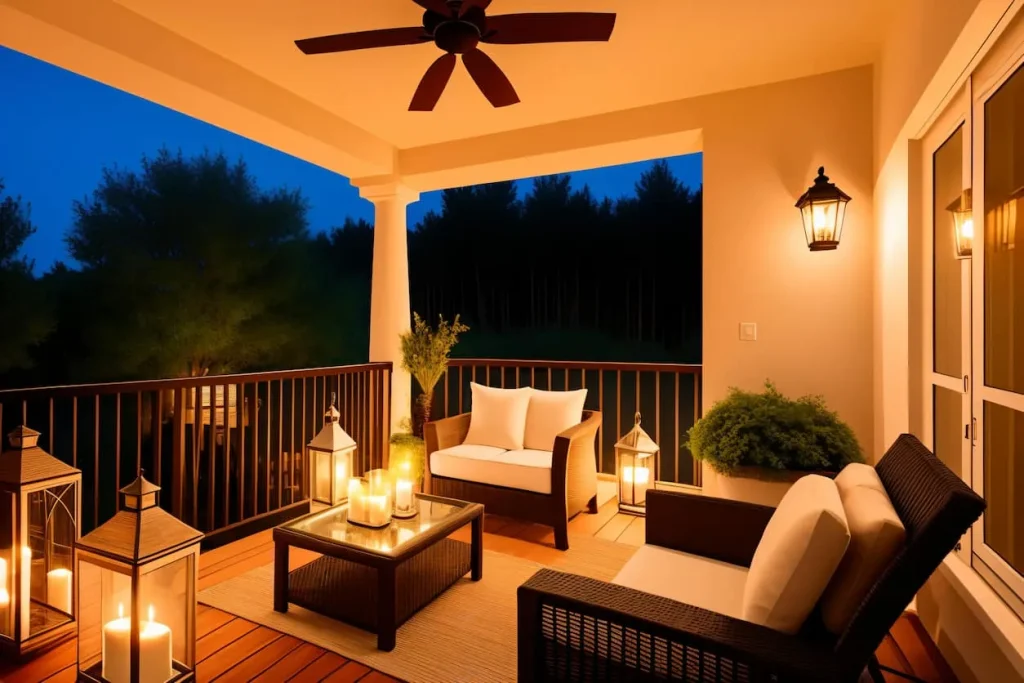
Your covered porch sits empty most evenings because the lighting doesn’t work. One harsh ceiling fixture provides enough light to see but not enough atmosphere to stay. You retreat indoors when the sun sets, abandoning outdoor space you built specifically to use.
Good lighting changes this pattern completely. Multiple light sources at different heights create layers of illumination. Dimmable controls adjust intensity for different activities. Warm color temperatures create inviting ambiance. The space becomes somewhere you choose to spend time.
This transformation doesn’t require elaborate systems or huge budgets. It requires understanding how lighting layers work together, choosing appropriate fixtures for outdoor exposure, and installing everything correctly the first time.
Most lighting failures stem from treating porch lighting like interior lighting. Different environment, different requirements. Outdoor-rated fixtures. Multiple light sources. Proper color temperature. Dimmers for flexibility. Get these fundamentals right and your porch becomes usable after dark.
The investment returns value through increased use. A porch you use 50 additional evenings per year justifies the lighting cost many times over. The space stops being decoration and becomes functional living area.
If you’re planning to improve your covered porch lighting – or building a new porch and want to get lighting right from the start – we can help design a system that works for your space, your usage patterns, and your budget.
Schedule a consultation and we’ll walk your porch, discuss how you want to use the space, evaluate electrical requirements, and provide a detailed proposal showing exactly what fixtures and work you’ll get.
No pressure, no sales pitch. Just practical guidance from contractors who’ve lit hundreds of covered porches across Maryland, Virginia, and DC. We know what works because we’ve seen what fails.
Your porch deserves lighting that makes you want to use it. Let’s talk about creating that.
Frequently Asked Questions: Covered Porch Lighting Ideas
What are the best covered porch lighting ideas for making a porch usable after dark?
The most effective covered porch lighting ideas use layered lighting—ambient lighting for overall visibility, task lighting for activities like dining or reading, and accent lighting to add depth and atmosphere. Combining these layers creates a warm, inviting space instead of relying on a single harsh overhead fixture.
What type of lighting works best for screened porches?
Great screened porch lighting ideas prioritize fixtures that are damp-rated, warm in color temperature (2700K–3000K), and able to distribute light evenly without creating glare. Recessed lights, wall sconces, and string lights all work well, as long as they hold up to humidity and limited exposure.
How do I choose the right fixtures for patio cover lighting?
For reliable patio cover lighting, choose outdoor-rated fixtures such as flush mounts, semi-flush fixtures, pendants, or wall sconces. They should be rated for damp or wet locations, depending on how open your patio is. Style matters too—select fixtures that complement your home’s architecture while providing the right amount of brightness
Do I need an electrician to upgrade my porch or patio lighting?
You may need an electrician if your porch currently has only one electrical box or limited wiring. Adding layered lighting often requires additional circuits, switches, or junction boxes. An electrician also ensures all fixtures meet outdoor code requirements, including grounding and GFCI protection.
What is the most budget-friendly way to improve my porch lighting?
The easiest and most affordable upgrades include string lights, solar lights, and warm LED retrofit bulbs. These options transform the space quickly without major wiring. Smart bulbs or dimmers can also enhance control and ambiance while staying budget-friendly.
What color temperature is best for outdoor porch lighting?
For a cozy, comfortable porch atmosphere, choose warm white lighting between 2700K and 3000K. Cooler temperatures can make the area feel harsh or commercial. Keeping color temperature consistent across all fixtures ensures a cohesive look.