

Custom garden beds change how your outdoor space functions. Homeowners in Bethesda, McLean, and Arlington add raised beds, borders, and planting areas that match their home’s architecture while creating organized growing zones.
Colonial homes work well with brick-edged beds that echo the foundation. Ranch properties in Rockville benefit from long, low beds that follow the roofline. Townhouses in Alexandria get vertical growing space without eating up the limited yard. You get defined planting areas that look finished, drain properly, and last through Maryland’s freeze-thaw cycles.
Why Garden Beds Work Better Than Planting Directly in Ground
Maryland soil shifts between heavy clay in Montgomery County and rocky conditions in Northern Virginia. Garden beds let you control what plants grow in. We build beds 12-18 inches deep, fill them with quality topsoil and compost, and give roots room to spread. Split-level homes in Silver Spring get beds that terrace down slopes without washing out. You end up with vegetables, flowers, or shrubs that root deeper, grow faster, and produce more than ground planting.
Raised beds in Potomac warm up faster in spring because the soil sits above ground level. Your growing season starts two weeks earlier than neighbors planting in native soil. We account for sun patterns, build beds where light hits longest, and orient rows north-south for even exposure. The soil drains after rain instead of staying waterlogged, which stops root rot before it starts.
Materials That Hold Up in DMV Weather
Garden beds face hot summers, wet winters, and temperature swings that split cheap materials. We build with cedar, composite, stone, or brick based on what your Chevy Chase or Great Falls property calls for. Cedar beds resist rot naturally and age to silver-gray without paint. Composite lumber looks like wood but won’t splinter, warp, or need sealing. Stone beds match Colonial or Cape Cod homes with fieldstone foundations. You get beds that hold their shape through ten Maryland winters without falling apart.
Cedar 2×8 boards stacked two high create 16-inch beds that support tomatoes, peppers, and root vegetables. We corner-brace every joint, use deck screws that won’t rust, and line the bottom with hardware cloth to block moles. Composite beds cost more upfront but last 25 years with zero maintenance. Stone beds weigh enough to stay level on slopes without anchoring. The right material depends on your budget, home style, and how permanent you want the installation.
Sizing Beds for What You Actually Want to Grow
Most Arlington homeowners start with 4×8 beds because you can reach the center from either side without stepping on soil. That size handles eight tomato plants, a row of beans, and succession plantings of lettuce. We space beds 3-4 feet apart so wheelbarrows fit between. McLean yards with more room get 4×12 beds for larger crops like squash or melon. You get growing space that makes sense for what you eat or display.
Kitchen gardens near back doors in Fairfax Station go with 3×6 beds for daily-harvest herbs and greens. Flower beds along driveways in Gaithersburg run longer and narrower, maybe 2×10, to show from the street. Depth matters more than people think – shallow beds dry out fast, deep beds hold water and nutrients longer. The beds we build fit what grows there and how you maintain it.
Drainage and Soil Amendments
Water that sits in beds drowns roots and promotes disease. We grade the ground underneath so beds slope 1-2% toward drainage points. Heavy clay yards in Glenmont get 4 inches of gravel under beds to move water away from roots. Beds against house foundations slope away from the structure. You get planting areas that don’t turn into mud pits after spring storms.
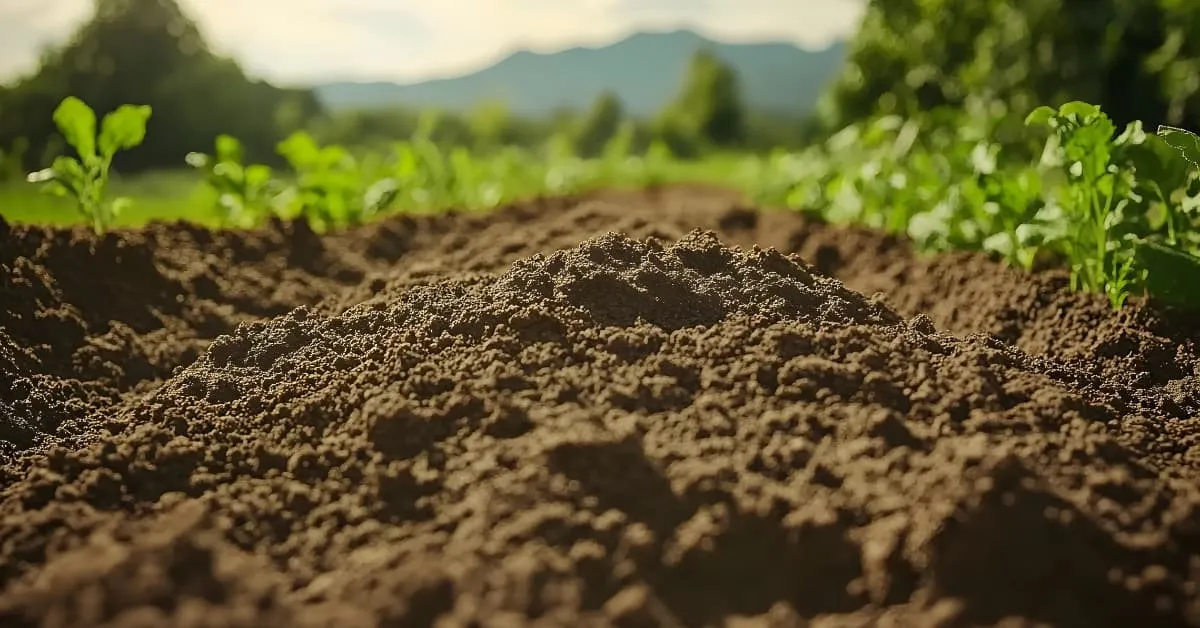
Soil mix makes or breaks garden production. We fill beds with equal parts topsoil, compost, and coarse sand or perlite. That combination drains fast but holds moisture long enough for roots to drink. Vegetable beds get more compost for nutrients. Flower beds lean toward sand for drainage. Falls Church gardens on slopes get beds with landscape fabric underneath to prevent soil from washing through gaps. The beds hold good growing medium, not whatever clay you started with.
Pathways Between Beds
Walking on wet soil compacts it and damages roots. Paths between beds in Kensington stay dry and clean when we lay down hardscape or mulch. Gravel paths drain instantly, stay weed-free with landscape fabric underneath, and don’t need replacing. Brick or stone paths match formal gardens around Annapolis Colonial homes. You get access to every bed without tracking mud into the house.
We run main paths 4 feet wide for wheelbarrow access. Side paths between beds go 2-3 feet, enough to kneel and reach plants. Gravel paths get edging to keep stones out of beds. Wood chip paths spread 3-4 inches deep on fabric to block weeds. Paths define the garden layout and make maintenance faster.
Planning Bed Locations for Sun and Access
Vegetables need six hours of direct sun. We map sun patterns across your Potomac yard before placing beds. South-facing areas get full sun most of the day, making them right for tomatoes, peppers, and squash. North-facing beds work for shade plants like hostas or ferns. You get beds positioned where plants actually thrive instead of struggling.
Access matters as much as sun. Beds 20 feet from the house in Fairfax rarely get the attention they should. We position vegetable beds close to kitchen doors where you’ll see them daily. Flower beds go where guests notice them – along walkways, near entries, or framing patios. The layout makes gardening easier rather than another chore.
Installation Process From Ground to Growing
We clear the footprint, level high spots, and remove grass or weeds. Landscape fabric goes down if you want long-term weed suppression. Gravel goes in next for drainage if soil drains slowly. Bed frames get assembled with galvanized hardware, squared to corners, and checked for level. The foundation gets prepared right so beds sit flat and drain properly.
Filling beds takes more soil than homeowners expect. A 4×8 bed that’s 16 inches deep holds two cubic yards. We bring in screened topsoil, aged compost, and drainage material mixed to specification. Fill happens in layers, with light watering between to settle soil without compacting. Silver Spring installations finish with 3 inches of hardwood mulch to suppress weeds and hold moisture. You get beds ready to plant the same day.
Adding Features That Make Beds More Functional
Capping boards on bed edges in McLean give you a place to sit while weeding or a shelf for setting tools. Trellises attached to north sides support climbing beans, peas, or cucumbers without shading other plants. Corner posts extended upward become anchor points for shade cloth in summer or frost protection in spring. You get beds that do more than hold dirt.
Cold frames over beds in Rockville extend the season into November and start seedlings in March. Hardware cloth covers in Gaithersburg keep rabbits and groundhogs out of lettuce and carrots. Beds with built-in irrigation headers let you connect drip lines without digging. The additions turn basic beds into complete growing systems.
Maintenance Requirements for Long-Term Performance
Wood beds in Ashton last longer with annual inspections. We check for rot at soil contact points, tighten loose screws, and reseal raw wood if finish wears off. Cedar holds up well but still benefits from wood oil every few years. Composite beds need only washing to remove algae or mud splatter. You get structures that age well with minimal upkeep.
Soil quality drops over time as plants pull nutrients. Kensington vegetable beds benefit from 2-3 inches of compost added each spring. We topdress around plants rather than digging it in, which protects roots and feeds soil biology. Fall cover crops like clover or rye add nitrogen and prevent erosion over winter. The beds stay productive year after year instead of declining.
Cost Factors That Affect Your Installation
Material choice drives the biggest difference in project cost. Cedar is the most affordable natural wood option and holds up well over time. Composite costs more upfront but essentially pays for itself over decades with zero maintenance. Stone beds sit at the higher end of the range, with cost climbing based on material choice and wall height. Larger beds also tend to cost less per square foot because setup time spreads over more growing area.
Soil fill is a separate line item worth planning for. A 4×8 bed that’s 16 inches deep holds two cubic yards of soil mix, and that adds up across multiple beds. Path materials vary widely depending on what you choose. Wood chips are the most economical option, flagstone or brick the most premium. We estimate the full cost before any work starts so there are no surprises when the project finishes.
Building Beds That Match Your Home’s Architecture
Garden beds should look like they belong with your house. Tudor homes in Chevy Chase get darker wood or stone beds that echo the exterior stone and timber. Colonial homes in Alexandria pair well with brick-edged beds painted to match shutters. Modern builds in Arlington benefit from clean-lined composite beds in gray or charcoal. Ranch homes in Germantown call for low-profile beds that don’t compete with the horizontal roofline. You get garden structures that add to curb appeal instead of looking tacked on.
We study your home’s materials before recommending bed design. Stone foundations suggest stone beds. Brick homes work with brick-edged planters. We match stain colors to deck or fence tones when using natural wood. Height, width, and placement follow the home’s proportions. The beds become part of the landscape design rather than an afterthought.
Working With Blue Collar Scholars on Garden Bed Projects
We start by walking your property in Gaithersburg or Chevy Chase to understand sun patterns, drainage, and access. You tell us what you want to grow, how much time you’ll spend maintaining it, and what your budget allows. We propose bed sizes, locations, and materials that fit those goals. The plan gets adjusted until it works for your space and priorities.
Installation happens fast once design is set. Most residential projects in Rockville or Vienna finish in one to three days depending on bed count and site complexity. We handle grading, drainage, framing, filling, and path installation. You get finished beds ready for planting without wondering what comes next.
Garden beds turn unused yard space in Maryland, Northern Virginia, and DC into functional growing areas. We build beds from materials that match your home and last through decades of freeze-thaw cycles, summer heat, and daily use. The installations include proper drainage, quality soil fill, and thoughtful positioning based on sun and access patterns. You end up with defined garden space that looks finished, produces better than ground planting, and fits into your landscape like it belongs there. Schedule a consultation to discuss bed sizes, materials, and layout options that work for your property.