

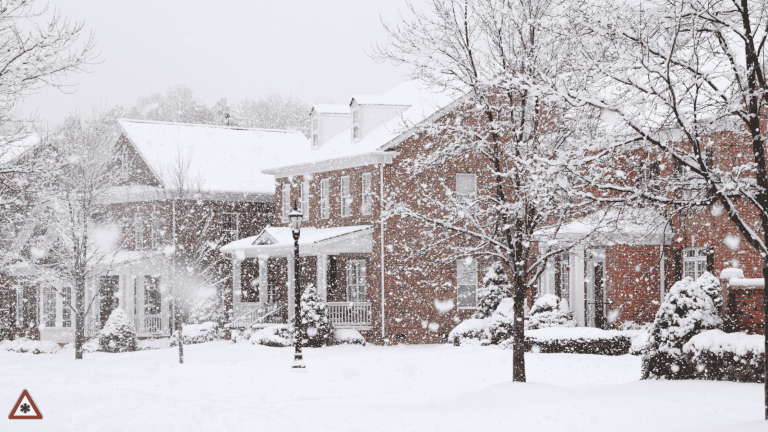
The recent winter storm that hit Maryland, Washington DC, and Virginia was one of the biggest snowstorms the region has experienced in nearly ten years. Roads were buried, temperatures dropped into the twenties, and daily life across the DMV slowed down. As the snow began to melt, many homeowners were surprised to hear about water use restrictions in Montgomery County and Prince George’s County.
According to reports from NBC Washington, local utilities requested residents to limit water use due to a sharp increase in water main breaks caused by extreme cold temperatures. This was not a random event. It was a direct result of how freezing and refreezing affects infrastructure and homes across Maryland and Northern Virginia.
Why Water Restrictions Were Issued After the Snow Storm
When temperatures drop below freezing, water inside underground pipes begins to freeze and expand. This expansion puts pressure on pipes that may already be old or weakened. During the recent Maryland winter storm, prolonged cold caused dozens of water main breaks across the region.
The National Weather Service explained that extended cold following heavy snowfall increases the likelihood of pipe failures. You can follow official winter storm advisories and forecasts from the National Weather Service at
https://www.weather.gov
When multiple water mains break at the same time, utilities ask residents to reduce usage so crews can make repairs and stabilize water pressure.
Why Refreezing Causes More Damage Than the Snowstorm Itself
Snowstorms are visible. The real damage often happens quietly after the storm passes.
As snow melts during the day, water flows into small cracks in concrete, patios, driveways, and around foundations. At night, temperatures drop again and that water refreezes. When water freezes, it expands. That expansion widens cracks, lifts concrete slabs, and stresses outdoor structures.
Research published through engineering and construction studies shows that repeated freeze thaw cycles significantly weaken concrete and paved surfaces over time. This is why many homeowners notice damage weeks after a storm rather than during it.
How This Affects Homes in Maryland, DC, and Virginia
If city water systems are breaking, homeowners should pay attention to what is happening on their own property.
Older homes in Bethesda, Silver Spring, Rockville, and Prince George’s County often have aging pipes, outdated drainage, or hardscapes not designed for repeated freeze thaw cycles. The same forces damaging public infrastructure can also damage patios, walkways, foundations, and drainage systems around your home.
Signs Your Home May Have Been Affected by the Storm
After the snow melts, homeowners should walk their property and look closely.
Watch for reduced water pressure inside your home. Look for new cracks in driveways or patios. Pay attention to pooling water near your foundation. Check gutters for ice damage or separation. Notice any new dampness in basements or crawl spaces.
The Federal Emergency Management Agency recommends documenting damage after severe weather events and addressing issues early.
Why Drainage Is Critical After a Winter Storm
Drainage problems often show up after heavy snow. Snow hides grading issues. When it melts, water needs a clear path away from your home. If it does not have one, it collects near foundations and refreezes overnight.
Standing water near your foundation is one of the most common causes of basement leaks and structural stress after winter storms in the DMV. The Centers for Disease Control and Prevention also emphasizes the importance of post storm home safety and inspection after extreme winter weather.
What to Inspect First Once the Snow Stops
Start with areas that manage water.
Check gutters and downspouts to make sure water is flowing away from the house. Look around your foundation for pooling water. Inspect patios, walkways, and driveways for new cracks or uneven surfaces. Check basement walls and floors for moisture. Observe roof edges from the ground for heavy ice buildup.
If you are unsure or uncomfortable inspecting these areas yourself, it is best to call a professional.
Why Ignoring Winter Damage Can Cost More Later
Many homeowners assume that if nothing looks broken, everything is fine. That is rarely true after a major snowstorm.
Freeze thaw damage builds slowly. Small cracks grow. Concrete shifts. Water finds new paths. By spring, minor issues often turn into expensive repairs.
According to home inspection experts at InterNACHI, early inspections after severe weather events significantly reduce long term repair costs.
How Blue Collar Scholars Helps Homeowners After Winter Storms
Blue Collar Scholars works with homeowners across Maryland, DC, and Virginia to inspect and repair outdoor spaces affected by winter weather. We help identify drainage problems, repair patios and walkways, stabilize decks, and address issues caused by freeze thaw cycles.
We live and work in this region. We understand how DMV winters affect homes because we see it every year.
If you want help inspecting your property after this storm or planning repairs before spring, visit https://www.bluecollarscholars.net/patio-contractors/washington-dc/