

Stop. Stop letting your porch sit empty eight months of the year.
Enclosing a porch can be the smartest upgrade you make to your home.
Right now, you have valuable square footage doing nothing. Rain shuts it down. Bugs make it miserable. Cold weather makes it pointless. Meanwhile, you’re cramped inside wishing you had more space for family dinners, quiet mornings, or entertaining friends.
I’ve helped over 200 families in Bethesda, McLean, Arlington, and DC transform their unused porches into favorite family gathering spots. The homeowners who get the best results make one smart decision: they enclose their porch instead of building expensive additions.
Here’s what that smart decision looks like.
Here’s What Every Homeowner Needs to Know About Enclosing a Porch
Enclosing your porch means creating a barrier between your covered space and the weather – turning unusable outdoor space into a comfortable, protected living area that works spring through fall, and sometimes year-round.
Here’s what that smart decision looks like. Here’s how it changes everything. Here’s why families who do this never regret it.
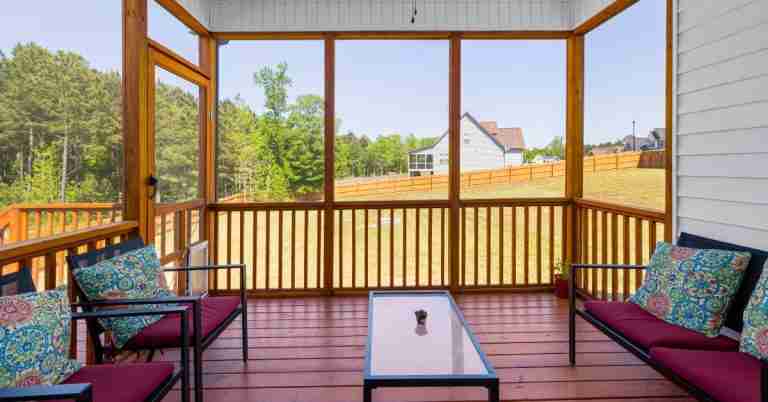
Screen Enclosures: Mesh barriers keep insects out while maintaining that outdoor feeling. You get airflow, you get protection, you get to use your porch when you want to use it.
Three-Season Rooms: Screen and window combinations extend your season from April through October. Perfect for our Maryland and Virginia climate, where you want protection from wind and rain but still want that connection to the outdoors.
Four-Season Sunrooms: Fully insulated spaces with heating and cooling that work every month of the year. These become true extensions of your home’s living space.
Convertible Systems: Panels that adjust seasonally – screens in summer, glass panels in winter. Maximum flexibility for homeowners who want options.
The families I work with choose porch enclosures because it solves three problems at once: they gain usable space, they protect their investment in porch furniture and décor, and they avoid the massive cost and disruption of room additions or bump-outs.
Why Smart Homeowners Choose Porch Enclosures Over Room Additions
When you understand the mathematics of home improvement, porch enclosure becomes obvious. Room additions in our area require significant investment when you factor in foundation work, structural modifications, and matching your home’s existing architecture. Porch enclosures cost a fraction of that, depending on the level of finish you choose.
When you understand the disruption factor, porch enclosure becomes obvious. Room additions require permits that take months, excavation that destroys your yard, and construction that makes your home unlivable for weeks. Porch enclosures typically take 1-3 weeks with minimal disruption to your daily routine.
When you understand the return on investment, porch enclosure becomes obvious. Every real estate professional I work with confirms that enclosed porches add significant value while costing far less than equivalent square footage from additions.
But here’s the real reason families choose porch enclosures: it works immediately. No waiting months for permits. No living through major construction. No, wondering if the addition will match your home’s style. You start with existing covered space and make it functional.
The Potomac family, whose porch hadn’t been used in five years, now eats dinner there every pleasant evening. The McLean couple, who needed a home office, converted their screened porch into a quiet workspace that feels separate from the main house chaos. The Bethesda empty nesters who wanted entertaining space now host grandchildren for sleepovers in their four-season sunroom.
These aren’t special situations. These are the normal results when homeowners choose the right approach for their goals and budget.
The Complete Guide to Porch Enclosure Materials, Methods, and Costs
Let me give you every detail you need to make an informed decision about your porch enclosure project. This is the information contractors don’t want you to have upfront because they prefer to control the conversation during sales meetings. I’m giving it to you now because educated homeowners make better decisions and end up happier with their results.
Screening Options That Actually Work
- Standard Fiberglass Screening
- Good visibility and adequate durability
- May sag over time in larger spans
- Needs replacement every 5-7 years in our climate
- Aluminum Screening
- Holds tension better than fiberglass
- More visible due to metallic appearance
- Typically lasts 10-12 years before replacement
- Pet-Resistant Screening
- Vinyl-coated polyester stands up to claws and impacts
- Essential for homes with cats or dogs
- Slightly less transparent, but prevents costly repairs
- Solar Screening
- Blocks UV rays and reduces heat gain
- Cuts glare in bright conditions
- Reduces visibility somewhat but provides energy benefits
Window and Glass Integration That Makes Sense
- Removable Storm Panels
- Clear acrylic or glass panels for seasonal use
- Store away in spring and summer
- Challenge: requires storage space during off-seasons
- Single-Hung Windows
- Excellent ventilation control and weather sealing
- Multiple windows allow fine-tuning of airflow
- Perfect for homeowners who want precise environmental control
- Sliding Windows
- Works well for wider porch openings
- Don’t project into space when open
- Good for maximum opening size without furniture interference
- Combination Systems
- Mix screens and windows strategically
- Lower sections: removable glass panels
- Upper areas: permanent screens
- Maximum flexibility for different seasons
Structural Requirements You Can’t Ignore
Foundation Considerations:
- Open porches often have lighter foundation requirements than enclosed spaces
- Most porches built in the last 20 years can support screen enclosures without modification
- Older porches might need foundation reinforcement for glass elements or climate control
Electrical Upgrades:
- Enclosed porches need lighting, ceiling fans, and outlets
- Most existing porches have minimal electrical service, requiring expansion
- May require panel upgrades or new circuits in older homes
Permit Requirements by Area:
- Montgomery County: 4-6 weeks processing time
- Fairfax County: 3-5 weeks (electrical permits may require separate review)
- Washington, DC: 6-10 weeks, depending on complexity and workload
Roofing and Weather Protection Details
Existing roof evaluation determines whether your current porch roof can handle enclosed space requirements. Older roofs might need updates before enclosure work begins, particularly if there are leaks, inadequate drainage, or structural concerns.
Insulation requirements depend on how you plan to use the space. Screen porches usually don’t require roof insulation because they’re essentially outdoor spaces with bug protection. Three-season rooms benefit from some thermal protection to extend the comfortable season. Four-season sunrooms need full insulation for year-round climate control.
Drainage and weatherproofing become more critical with enclosed spaces because water that used to blow off an open porch might now collect against screens or windows. We always verify that gutter systems, flashing, and grading handle the new water patterns to prevent moisture problems.
Climate Control Options for Every Budget
- Natural Ventilation
- Strategic screen placement and ceiling fans
- Adequate for three-season use
- Works well for pleasant weather, use only
- Portable Solutions
- Space heaters for cool evenings
- Portable air conditioners for hot afternoons
- Good for testing actual usage before permanent investment
- Mini-Split Heat Pumps
- Efficient heating and cooling without ductwork
- Independent control from main house HVAC
- Most popular choice for year-round comfort
- Radiant Floor Heating
- Electric systems under tile or stone floors
- Comfortable warmth during cooler months
- Perfect for morning coffee spaces or reading areas
Flooring Choices That Work Long-Term
- Existing Concrete – Paint, stain, or cover options
- Most existing drainage and slope work is fine
- Decorative upgrades enhance livability
- Budget-friendly foundation for other materials
- Ceramic/Porcelain Tile
- Handles moisture and temperature changes
- Easy-care surfaces are perfect for our climate
- Wide variety of styles and colors
- Natural Stone
- Flagstone, slate, and limestone work well
- Beautiful surfaces that age gracefully
- Provides an indoor-outdoor transition feeling
- Protected Composite Decking – Extends existing materials
- Benefits significantly from weather protection
- UV protection extends life to 20-30 years
- No replacement needed with the enclosure
The Project Timeline and Investment Details Every Homeowner Needs
Here’s exactly what to expect when you decide to enclose your porch, from the initial planning through the final walkthrough.
Planning and Design Phase: 2-4 Weeks
We start with detailed measurements and structural evaluation of your existing porch. This includes checking foundation adequacy, roof condition, electrical capacity, and drainage patterns. You’ll get a comprehensive assessment of what modifications are needed and what options are available within your budget.
Design development includes material selection based on your goals and budget, structural planning for any necessary modifications, and permit preparation with detailed drawings and specifications. You’ll see exactly what the finished space will look like before any work begins.
Permit Processing: 2-10 Weeks Depending on Jurisdiction
Montgomery County typically processes porch enclosure permits in 4-6 weeks for straightforward projects. More complex projects with structural modifications can take longer, particularly during busy spring and summer seasons when permit volume is highest.
Fairfax County usually completes permit review in 3-5 weeks, though electrical work permits might require separate review that adds time. Their online system provides good tracking of application status.
DC permit processing varies widely depending on the specific location and complexity of the project. Simple screen enclosures might process in 4-6 weeks, while projects requiring structural modifications can take 8-12 weeks or longer.
Construction Phase: 1-3 Weeks Depending on Complexity
Basic screen enclosures typically complete in 1-2 weeks once materials arrive and permits are approved. This includes any minor electrical work for lighting and ceiling fans, screen installation, and final trim details.
Three-season rooms with combination screen and window systems usually take 2-3 weeks to complete. The additional time accounts for window installation, more complex trim work, and any HVAC modifications needed.
Four-season sunrooms can take 3-4 weeks or longer, depending on the level of climate control, electrical work, and finish details. These projects essentially create interior spaces and require more detailed work throughout.
Investment Ranges for Realistic Budget Planning
Basic Screen Enclosures:
- Aluminum framing with standard fiberglass screens
- Basic electrical for lighting
- Minimal trim work
Enhanced Screen Enclosures:
- Upgraded screens and materials
- Ceiling fans and better electrical service
- Custom trim details
Three-Season Rooms:
- Screen and window combinations
- Moderate electrical upgrades
- Quality trim work and finishes
Four-Season Sunrooms:
- Full climate control systems
- Upgraded electrical service
- Premium materials and interior-quality finishes
These ranges include all labor, materials, permits, and normal electrical upgrades for projects in Maryland, DC, and Northern Virginia.
Why Homeowners Choose Blue Collar Scholars for Their Porch Enclosure Projects
After helping over 200 families create functional porch spaces, we understand exactly what works in Maryland, DC, and Northern Virginia homes. Our approach eliminates the guesswork, the surprises, and the frustrations that plague most home improvement projects.
What You Get With Blue Collar Scholars:
✓ Upfront Pricing – Detailed written estimates including all materials, labor, permits, and electrical work
✓ Realistic Timelines – Based on actual permit times and our current schedule, no overpromising
✓ Expert Project Management – One contact person, regular communication, professional execution
✓ Climate-Appropriate Materials – Everything selected for durability in our Maryland/DC/Virginia weather
✓ Comprehensive Warranty – Coverage on workmanship and materials, plus responsive post-project service
Real Results from Real Families:
- The Bethesda couple, whose 20-year-old screen porch was falling apart, now has a beautiful three-season room they use from March through November
- The McLean family, whose open porch collected leaves and debris all winter, now has a clean, comfortable space ready whenever weather permits
- The Arlington homeowners who wanted to work from home now have a quiet office space that feels separate from household activities
Transform Your Unused Porch Into Your Favorite Home Space
Your porch represents valuable square footage that’s currently wasted most of the year. While your neighbors complain about needing more space and consider expensive room additions, you can solve the same problem faster, cheaper, and with better results by enclosing the space you already have.
The families who make this decision gain a comfortable, functional space that enhances their daily lives and increases their home’s value. They host family dinners on pleasant evenings instead of crowding around the kitchen table. They enjoy a quiet morning coffee without battling bugs or weather. They create memory-making spaces where grandchildren want to spend time.
The families who keep waiting miss another season, another year, another opportunity to improve their quality of life. They continue dealing with cramped indoor spaces while valuable porch real estate sits unused. They watch neighbors complete beautiful porch enclosures while they postpone their own projects indefinitely.
The difference between these outcomes comes down to making a decision and working with professionals who deliver on their promises.
If you’re ready to stop wasting your porch space and start enjoying year-round outdoor living, contact Blue Collar Scholars today. We’ll evaluate your existing porch, discuss your goals and budget, and show you exactly what’s possible for your home and lifestyle.
Don’t wait another season. Don’t let another year pass with wasted space. Make the call that transforms how you use your home.