

When water starts carving channels through your yard after heavy rain, you’re watching thousands of dollars in landscaping investment wash away. For many homeowners, this is the first visible sign of Maryland erosion issues — problems that often require real erosion control and improved water drainage in Maryland to prevent long-term damage.
I’ve worked on properties throughout Maryland, Northern Virginia, and DC where homeowners waited too long to address erosion. By the time they called us, they were dealing with exposed foundations, collapsed retaining walls, and severe water drainage issues that turned their yards into swamps.
Erosion control solutions aren’t about slapping down some mulch and hoping for the best. Effective erosion control requires understanding how water moves across your property, especially given the unique water drainage challenges we see in Maryland’s clay-heavy soils.
Here’s what most people get wrong: they see erosion as a landscaping problem. It’s not. It’s a structural problem that happens to show up in your landscaping first. Water flowing unchecked across your property doesn’t stop at your flowerbeds – it undermines retaining walls, saturates foundations, and creates settlement issues that affect your entire home.
The good news? Once you understand how erosion works on your specific property, the solutions become straightforward. We’re talking about strategic interventions that redirect water, stabilize soil, and create permanent fixes that don’t require constant maintenance. No temporary patches, no seasonal repairs – just solid engineering that keeps your property intact through Maryland’s heaviest storms.
Why Erosion Control Matters More Than You Think
Maryland erosion issues often begin subtly — a wet spot here, small channels there — but eventually lead to structural problems if water drainage isn’t managed properly.
Walk outside after a heavy rain and look at where the water goes. Really look at it. Those small channels forming in your mulch beds? They’ll be gullies next year. That wet spot near your foundation that takes days to dry? It’s actively saturating your basement walls right now. The slight lean in your retaining wall? It’s getting worse with every rain cycle.
Erosion works slowly until it doesn’t. You get months or years of gradual soil loss, then one heavy storm creates dramatic damage that costs tens of thousands to repair. I’ve seen 15-year-old retaining walls collapse because water consistently flowed behind them, saturating the backfill and creating hydrostatic pressure the wall was never designed to handle.
Your property has a watershed – areas where water naturally collects and flows. Most erosion problems start because this natural drainage was interrupted during construction or landscaping. Someone graded a slope the wrong way, installed a patio without proper drainage, or simply never planned for where water would go during heavy rain. Then physics takes over, and water finds the path of least resistance – usually through your carefully landscaped beds or along your foundation.
Need some help assessing erosion damage in your yard? Read this Guide from Prince George’s County.gov (PDF)
The real cost of erosion shows up in three ways:
First, there’s the obvious landscaping damage. Soil washing away, plants dying, mulch disappearing every spring. That’s irritating and expensive, but it’s the least of your concerns.
Second, there’s structural damage. Water undermining retaining walls, saturating foundation soil, creating settlement under patios and walkways. This is where repair costs jump from hundreds to tens of thousands of dollars. A foundation that’s been compromised by years of water exposure doesn’t get better on its own.
Third – and this is what catches people off guard – there’s the cascading damage that happens when one problem creates another. Erosion at the top of a slope sends sediment downhill, clogging drains and overwhelming your drainage system. This causes backup, flooding, and creates new erosion points. You end up fighting multiple problems across your entire property.
Maryland’s soil composition makes this worse. Maryland’s heavy clay soil compounds erosion problems. Because clay sheds water instead of absorbing it, poor water drainage in Maryland quickly turns into surface runoff that accelerates soil loss.
How Water Damages Maryland Properties
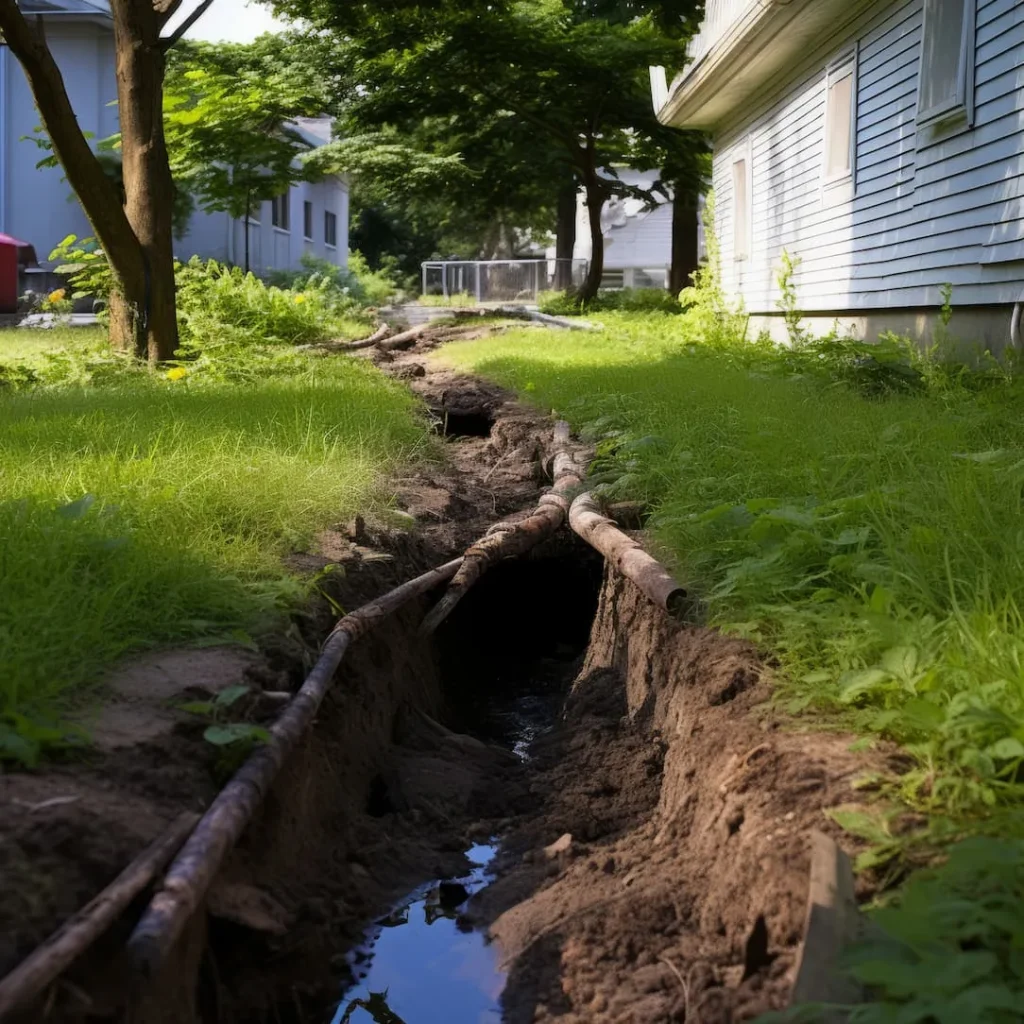
Let’s talk about what’s really happening when water flows across your yard. Every drop of rain on your Maryland property becomes part of a broader water drainage system. When drainage is poor — a common issue in Maryland neighborhoods — erosion accelerates quickly.
Moving water has surprising force. Even a thin sheet of water flowing down a slope can dislodge soil particles and carry them away. As water concentrates into channels, its erosive power increases exponentially. A small channel becomes a gully, a gully becomes a washout, and before you know it, you’re looking at significant damage.
Here’s the sequence most properties follow:
Rain hits your roof and hardscapes, creating concentrated flow at downspouts and patio edges. This high-volume discharge hits your landscaping with serious force. If the soil there isn’t protected or the grade isn’t right, you get immediate erosion at these discharge points.
That initial erosion creates small channels where water prefers to flow in future storms. These channels gradually deepen and widen, creating the familiar gullies you see cutting through yards. As they deepen, they expose root systems, undermine plants, and start carrying away larger amounts of soil.
The water and sediment flowing through these channels eventually reach somewhere lower on your property – often near your foundation, against a retaining wall, or into your drainage system. If it’s hitting your foundation, you’re dealing with potential basement moisture problems and soil saturation that affects structural stability. If it’s overwhelming your drainage system, you get standing water, swampy areas, and backup that creates new erosion elsewhere.
In our area, specific challenges make this worse:
The clay content in Maryland soil means water doesn’t absorb as readily as it does in sandier soils. Once the top few inches are saturated, everything else runs off. That’s why you can have a relatively modest rain event and still see significant surface flow.
Our terrain includes natural slopes and cut-filled lots where builders created level building pads by moving earth around. These modified grades often direct water in ways that weren’t carefully planned, creating erosion-prone areas that the original landscaping didn’t address.
The freeze-thaw cycle we get every winter loosens soil, making it more susceptible to spring erosion. Combined with heavy spring rains, this creates perfect conditions for washouts just as your landscaping is trying to establish after winter.
Common Erosion Problems We See in the DMV
After years of working on properties across Maryland, Northern Virginia, and DC, certain erosion patterns show up repeatedly. Understanding these common scenarios helps identify what’s happening on your property.
Downspout discharge erosion is one of the most widespread Maryland erosion issues we address, especially in neighborhoods where homes sit on sloped lots or compacted soil. Your gutters collect hundreds of gallons of water from your roof during heavy rain and concentrate it into small discharge points. If those downspouts empty directly onto landscaping without proper drainage, you get localized washouts that gradually expand. I’ve seen downspouts create 10-foot gullies within two years of a new installation.
The solution here isn’t complicated, but it requires proper planning. Downspouts need to discharge into solid drainage systems – either buried drainpipes that carry water away from the house to approved discharge points, or properly designed splash blocks and graded drainage swales that disperse the flow without causing erosion. Just extending the downspout a few feet with that flexible black pipe doesn’t cut it. That water still needs somewhere to go that won’t cause damage.
Slope erosion shows up on any property with significant grade changes. Water accelerates as it flows downhill, gaining erosive force. On bare slopes or areas where vegetation hasn’t fully established, you get rill erosion – small parallel channels that gradually deepen into gullies. Left unchecked, these can destabilize entire slopes and undermine structures built at the top or bottom.
Properties in areas like Potomac and McLean often have dramatic elevation changes that create beautiful lots but also concentrate water flow. A slope that looks stable in dry conditions can channel significant runoff during storms, especially if the vegetation isn’t dense enough to slow water movement and bind soil.
Retaining wall drainage failure happens when water builds up behind walls without proper drainage. Every retaining wall should have drainage behind it – typically backfill drainage stone and perforated drainpipe at the base. When this drainage isn’t installed correctly or gets clogged over time, water pressure builds up behind the wall. This hydrostatic pressure can crack walls, push them forward, and eventually cause collapse.
I’ve worked on properties where expensive stone retaining walls failed within five years because water wasn’t managed correctly. The wall itself was built well, but without proper drainage, it never had a chance. Water found its way behind the wall, saturated the soil, and created pressure the wall couldn’t withstand.
Patio and hardscape edge erosion occurs where water sheets off impervious surfaces and hits landscaping. Your patio, driveway, and walkways shed water quickly during rain. If the transition between hardscape and landscape isn’t properly designed, that water creates erosion at the edges and gradually undermines the hardscape itself.
You’ll see this as settlement along patio edges, voids forming under hardscape, and channels cutting through the landscaping immediately adjacent to patios. The fix requires proper grading around hardscapes, often combined with drainage solutions that capture and redirect the runoff before it can cause damage.
Professional Erosion Control Solutions That Work
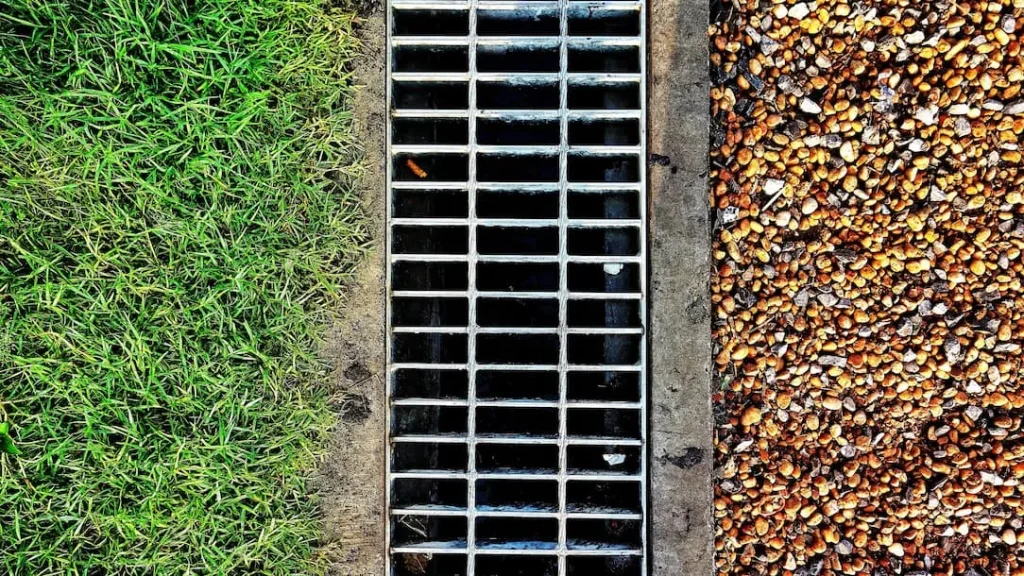
Real erosion control starts with understanding your property’s water drainage patterns. Because Maryland erosion issues often stem from improper grading or compacted clay soil, we design drainage systems that prevent water from gaining destructive velocity. We don’t use cookie-cutter approaches because every property has unique drainage patterns, soil conditions, and vulnerable areas. The solutions that work in one yard might be completely wrong for another.
Drainage system integration forms the foundation of effective erosion control. This means designing and installing buried drainage that intercepts water before it gains erosive velocity. French drains, channel drains, and strategically placed catch basins redirect water away from vulnerable areas and into approved discharge points.
On a typical project, we’ll map where water flows during heavy rain, identify concentration points, and design a drainage system that intercepts that flow. This might mean installing a French drain at the top of a slope to capture water before it flows downhill, channel drains at the base of retaining walls to manage seepage, or catch basins in low areas where water naturally collects.
The key is installing these systems properly. That means adequate depth, correct slope (1% minimum for proper flow), proper aggregate backfill, and discharge to locations that can handle the volume. A French drain that empties into another problem area isn’t a solution – it’s just moving the problem around.
Grading and contouring creates positive drainage patterns that direct water away from structures and toward drainage systems. Every property should slope away from buildings at a minimum of 2% grade for at least 10 feet. Beyond that, we create gentle contours that direct water toward collection points without allowing it to gain erosive velocity.
This isn’t about dramatic regrading that changes your property’s character. It’s about subtle adjustments that work with your existing landscape while establishing proper water flow. Sometimes it’s adding soil to low areas, sometimes it’s reshaping slopes to reduce steepness, and sometimes it’s creating swales that channel water safely through your property.
Retaining wall systems with integrated drainage solve multiple problems simultaneously. A properly designed retaining wall holds back soil, creates usable space, and manages water through built-in drainage features. This includes drainage stone backfill, perforated drainpipe at the wall base, and weep holes or outlets that allow water to escape without building pressure.
When we build retaining walls, drainage isn’t an afterthought – it’s integral to the design. We specify the right backfill materials, ensure proper compaction, and create multiple drainage paths that prevent water from building up behind the wall. This is why professionally built walls last decades while DIY attempts often fail within years.
Erosion control structures like terracing, check dams, and reinforced slopes provide long-term stability in high-risk areas. Terracing breaks long slopes into shorter segments, reducing water velocity at each level. Check dams in swales and channels slow water flow and trap sediment. Reinforced slopes use geotextile fabric and engineered solutions to stabilize soil on steep grades.
These solutions are appropriate for properties with severe erosion challenges or slopes that can’t be stabilized through grading and vegetation alone. They require engineering and proper installation, but they create permanent fixes that don’t require ongoing maintenance beyond normal landscaping care.
Combining Hard Solutions with Vegetation

The most effective erosion control combines structural solutions with strategic vegetation. Hardscape and drainage handle immediate water management, while plants provide long-term soil stability and natural water absorption.
Strategic planting plays a major role in long-term erosion control, especially for Maryland properties where water drainage can overwhelm bare soil after storms. Deep-rooted native plants like river birch, sweetbay magnolia, and various ornamental grasses create extensive root networks that bind soil and prevent erosion. These plants also tolerate the wet conditions common in drainage areas.
On slopes, we use plants with fibrous root systems that create a dense mat of fine roots near the surface. These roots bind soil particles together and create a living stabilization system. Combined with deeper-rooted trees and shrubs, you get multi-level root systems that stabilize soil from the surface down.
Groundcovers and erosion control fabric provide immediate protection while plants establish. On fresh slopes or areas with severe erosion, we install erosion control fabric – either biodegradable coir or synthetic options depending on the situation – to prevent soil loss while vegetation takes hold.
Groundcovers like pachysandra, liriope, and ajuga spread quickly to cover bare soil and create dense coverage that prevents raindrop impact and surface flow. They’re particularly effective on moderate slopes where grass struggles and require less maintenance than turf.
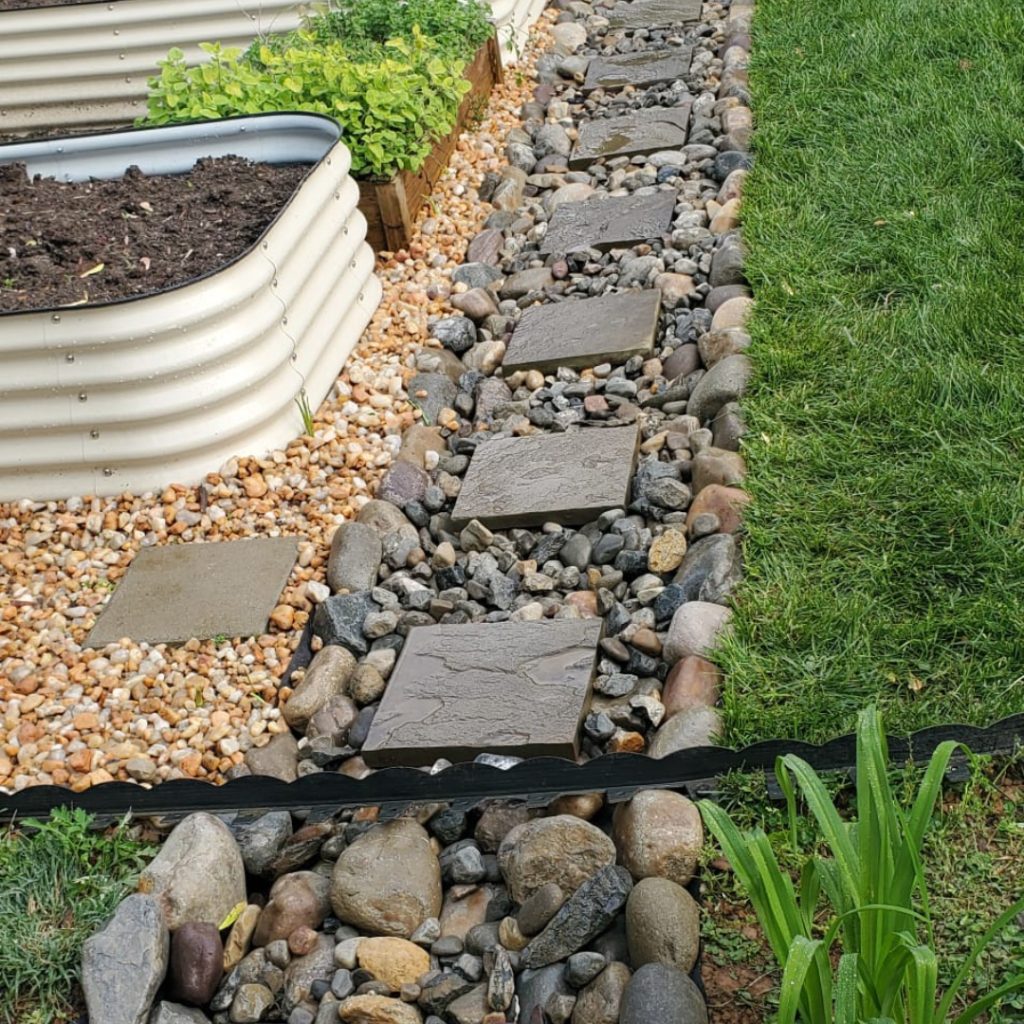
Riprap and stone solutions work where water flow is too concentrated or velocity is too high for vegetation alone. Channel beds lined with riprap (large, angular stones) can handle significant water flow without erosion. Properly sized and placed riprap creates a stable channel that directs water safely through your property.
We use riprap at downspout discharge points, in natural drainage swales, and anywhere water naturally concentrates during heavy rain. The stone needs to be sized correctly for the expected water velocity – too small and it washes away, too large and water finds paths between stones and erodes underneath.
What Proper Erosion Control Looks Like
When erosion control is done right, you don’t notice it during normal conditions – but during heavy rain, you see the difference immediately. Water flows where it’s supposed to go, your landscaping stays intact, and you don’t have new washouts to repair after every storm.
A property with effective erosion control has predictable, stable water drainage — something Maryland properties often struggle with due to soil composition and grading challenges. There are no low spots where water pools. Slopes show no signs of rill erosion or gullies. Retaining walls remain plumb and stable. Landscaping near downspouts and hardscape edges stays in place.
During heavy rain, you can walk outside and observe water flowing through designated drainage swales, draining quickly through proper grading, and exiting the property at appropriate discharge points. You don’t see sheet flow across landscaped areas, water pooling against foundations, or concentrated flow creating new channels.
The maintenance requirements for properly installed erosion control are minimal. You’ll need to check drainage systems periodically – typically once or twice a year – to ensure they’re free of debris. Any landscaped areas require normal plant care but don’t need constant replanting or repair. Stone solutions require virtually no maintenance beyond occasional adjustment if frost heave or settlement occurs.
This contrasts sharply with properties fighting ongoing erosion. Those homeowners are constantly replacing mulch, replanting washout areas, fixing damage from the last storm, and watching problems get worse year after year. The cost and frustration add up quickly.
The Blue Collar Scholars Approach to Erosion Control
When we evaluate a property for erosion control, we start by understanding the complete water story. Where does water come from? Where does it go? Where does it cause problems? What structures or features are at risk?
We specialize in solving Maryland erosion issues by identifying the root causes of poor water drainage. Each property has different grade lines, soil types, and runoff patterns, which is why a custom erosion control plan is essential.
We walk the property during dry conditions to understand the terrain, then review it again after rain to see actual water movement. Sometimes we’ll ask homeowners to take photos during heavy rain so we can see worst-case scenarios we might not witness during site visits.
From there, we develop a comprehensive solution that addresses root causes rather than symptoms. If your erosion is caused by inadequate drainage, landscaping fixes won’t solve it. If water is concentrated by poor grading, installing plants without addressing the grade won’t work. We identify the primary causes and design solutions that fix those issues.
Our solutions integrate with your property’s existing features. If you have retaining walls, we ensure our drainage works with them. If you have existing landscaping you want to preserve, we work around it. If you’re planning other improvements – a patio addition, deck construction, or landscape renovation – we coordinate erosion control with those projects so everything works together.
We’re transparent about what different solutions cost and what results they’ll achieve. Sometimes a moderate investment creates significant improvement. Other times, solving severe erosion requires comprehensive work. We give you options at different investment levels so you can make informed decisions about your property.
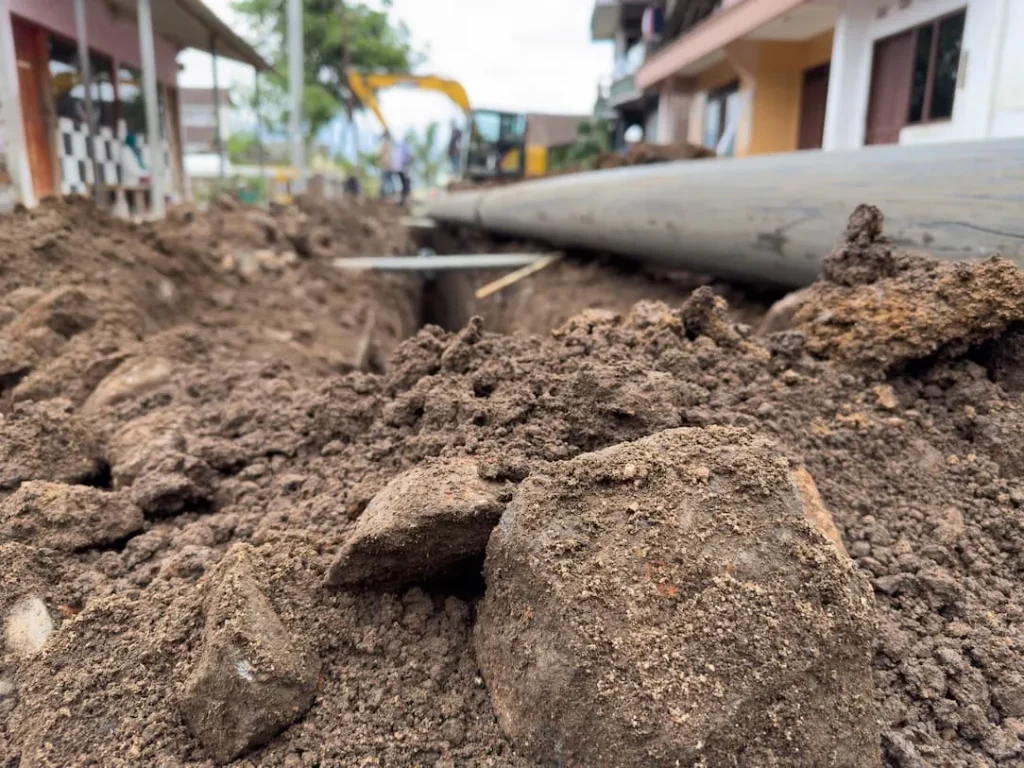
Every project includes proper planning before work begins. We identify required permits (some erosion control work requires county approval), coordinate with utility locations if we’re excavating, and establish a clear scope that outlines exactly what we’re doing and what results you should expect.
During installation, we handle every aspect – grading, drainage system installation, retaining wall construction if needed, and coordination with landscaping. You work with one team that takes responsibility for the complete solution rather than trying to coordinate multiple contractors doing pieces of the work.
Making Decisions About Your Property
Deciding when and how to address erosion control comes down to three factors: the severity of current damage, the risk of future damage, and your plans for the property.
If you’re seeing active erosion – channels forming, soil washing away, plants being undermined – address it sooner rather than later. Erosion accelerates over time as channels deepen and concentrate flow. What’s a moderate problem now can become a severe issue requiring extensive repairs within a few years.
If structures are at risk – your foundation, retaining walls, patios, or driveways – prioritize solutions that protect those investments. The cost of erosion control is almost always less than the cost of repairing structural damage caused by water.
If you’re planning renovations or additions, incorporate erosion control into that work. Adding a home addition, building a deck, or installing a patio all affect water flow on your property. Addressing drainage and erosion control during those projects is more efficient than trying to retrofit solutions later.
Start with a professional evaluation if you’re not sure what you’re dealing with. We can assess your property’s erosion risk, identify problem areas, and outline solutions at different investment levels. That evaluation gives you the information you need to make good decisions about protecting your property.
Some situations call for immediate action – active undermining of foundations, failing retaining walls, or severe gullying that’s expanding rapidly. Others allow time to plan and budget for comprehensive solutions. Understanding where your property falls on that spectrum helps prioritize the work.
The Long-Term Value of Erosion Control
Properties with proper erosion control maintain their value and avoid expensive repairs down the road. You’re protecting your foundation, preserving your landscaping investment, and preventing structural damage that costs exponentially more to fix than prevent.
Over a 10-year period, a property with good erosion control requires minimal remedial work. You’re not constantly replacing plants, repairing washouts, or dealing with drainage problems. The systems we install work year after year with minimal maintenance.
Compare this to properties fighting erosion. Those owners spend money every year on repairs and never get ahead of the problem. They replace mulch that washes away, replant areas that erode again, and eventually face structural repairs when water undermines retaining walls or saturates foundations. The cumulative cost exceeds what comprehensive erosion control would have cost initially.
When you eventually sell your property, proper drainage and erosion control is a selling point. Buyers recognize well-maintained properties that don’t have obvious water issues. Home inspectors note erosion problems, foundation moisture, and retaining wall issues – all problems that can complicate sales or reduce offers.
The peace of mind factor is real. When heavy rain is forecasted, you shouldn’t be worried about what damage you’ll find in your yard. With proper erosion control, rain becomes a non-event rather than a cause for concern.
Schedule Your Erosion Control Assessment
If you’re dealing with Maryland, Virginia, or DC property erosion issues or struggling with water drainage on your property, we can help you implement long-term erosion control solutions designed specifically for your local soil and weather conditions. We’ll evaluate your property’s specific challenges, explain what’s causing your erosion problems, and outline practical fixes that stop the damage.
Blue Collar Scholars has been solving complex drainage and erosion issues across the DMV area for years. We understand how water moves through Maryland soil, what solutions work in our climate, and how to design systems that last. Our approach combines proper engineering with practical installation that respects your property and your budget.
Contact us to schedule an assessment. We’ll walk your property, discuss your concerns, and provide clear recommendations for addressing erosion before it causes more expensive problems. No pressure, no sales tactics – just straightforward advice about protecting your property from water damage.
Frequently Asked Questions: Erosion Control Solutions for Maryland Homes
What causes most erosion problems in Maryland yards?
Most Maryland erosion issues come from improper grading, compacted clay soil, and unmanaged water runoff. Heavy storms create concentrated water flow that carves channels through landscaping and destabilizes foundations.
Why is erosion control important for my property?
Erosion control protects your foundation, landscaping investment, retaining walls, patios, and overall property stability. Without it, water continues to remove soil, leading to structural damage and expensive repairs.
How does Maryland’s soil affect water drainage?
Maryland soils often contain high clay content, which becomes compacted and sheds water instead of absorbing it. This poor absorption intensifies runoff, making water drainage in Maryland a major challenge.
What erosion control solutions are most effective?
Solutions vary by property, but often include French drains, drainage basins, swales, proper grading, retaining wall drainage systems, riprap, and vegetation that stabilizes soil.
How do I know if my property needs erosion control?
Signs include visible channels in your yard, sinking patios, exposed roots, pooling water, leaning retaining walls, or wet spots near your foundation after storms. These indicate failing drainage and worsening erosion.
Can erosion control really prevent structural damage?
Yes — proper drainage and erosion control reduce hydrostatic pressure, prevent soil loss, and protect retaining walls and foundations. Long-term, it saves homeowners thousands in repairs.