

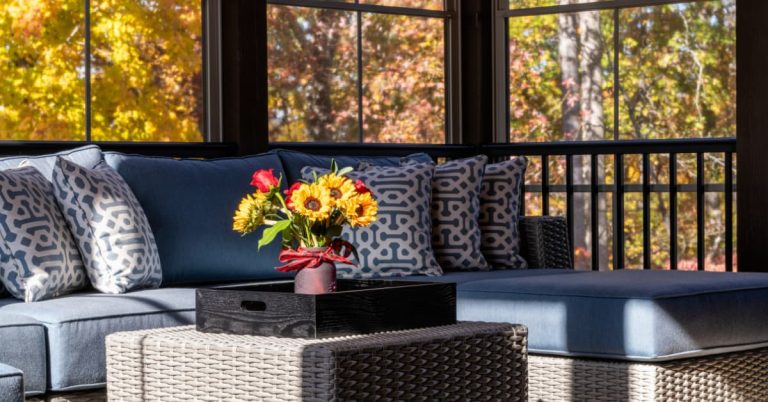
These days, screened-in patios are transforming homes from basic living spaces into versatile environments that adapt to your changing needs. As homes increasingly serve multiple functions—workspace, relaxation area, entertainment venue—adding functional outdoor areas has become essential.
A screened-in patio offers practical benefits by providing protection from insects, unexpected weather, and excessive sun exposure while maintaining that crucial connection to the outdoors. This balanced indoor-outdoor solution effectively extends your usable living space throughout multiple seasons.
At Blue Collar Scholar, we understand that your outdoor space is more than just a yard – it’s an extension of your home where memories are made and life unfolds. Our expert screened-in patio services in Maryland, Virginia, and Washington D.C. are designed to create beautiful, functional outdoor spaces that enhance both your property’s value and your quality of life.
Key Takeaways:
- Screened-in patios Provide Multiple Benefits: Protection from insects, weather elements, and UV rays while adding valuable living space to your home.
- ROI Is Substantial: A well-designed screened-in patio can increase home value by up to 75% of the project cost.
- Design Options Are Endless: From farmhouse charm to modern minimalist styles, screened-in patios can be customized to match your home’s aesthetic.
- Professional Installation Matters: While DIY is possible, expert installation ensures durability, proper permitting, and seamless integration with your home.
- Maintenance Is Minimal: With the right materials and regular inspections, screened-in patios offer years of enjoyment with minimal upkeep.
What Is a Screened-In Patio? Understanding the Basics
A screened-in porch is an outdoor living area enclosed with mesh screens that keep insects and debris out while allowing fresh air and natural light to flow freely. Unlike fully enclosed sunrooms, screened-in patios maintain that essential connection with nature while providing protection from its less desirable elements.
The purpose of a screened-in patio extends beyond simple bug protection. These versatile spaces create a transitional area between your indoor and outdoor environments, perfect for relaxing, dining, entertaining, or even working from home in a refreshing setting.
With the right design, your screened-in patio becomes a true extension of your living space that can be enjoyed nearly year-round.
Top 4 Benefits of Screened-In Patios for Homeowners
Investing in a screened-in patio delivers numerous advantages that enhance both your lifestyle and your property’s value:
1. Protection from Outdoor Nuisances
Screened-in patios provide a comfortable refuge from mosquitoes, flies, and other pests that can quickly ruin an outdoor gathering. Additionally, the screening helps block debris like leaves, pollen, and small twigs from entering your space, reducing cleaning time and allergy concerns.
2. All-Weather Enjoyment with Screened-In Comfort
Unlike open patios, screened-in versions offer protection from light rain, strong winds, and direct sun exposure. This weather resistance extends the usability of your outdoor space through multiple seasons, giving you more value from your investment.
3. Enhanced Privacy for Your Screened-In Space
While screens allow airflow and views of your landscape, they also create a visual barrier that increases privacy, especially when combined with strategic landscaping or tinted screen options. This added seclusion makes screened-in patios ideal for intimate gatherings or peaceful solo relaxation.
4. Impressive Home Value Increase
According to real estate experts, outdoor living upgrades like screened-in patios can offer up to a 75% return on investment at resale. Potential buyers view these spaces as valuable additions that distinguish your property from others on the market, potentially reducing selling time and increasing final sale prices.
Popular Screened-In Patio Design Ideas That Inspire
When designing your screened-in patio, consider these popular styles that combine aesthetics with functionality:
Farmhouse-Inspired Screened-In Spaces
Incorporate exposed wooden beams, rustic furniture, and warm lighting to create a cozy, inviting atmosphere. Natural materials like stone flooring or reclaimed wood accents enhance the authentic farmhouse feel while maintaining durability for outdoor conditions.
Modern Minimalist Screened-In Designs
Clean lines, sleek aluminum frames, and neutral color palettes create contemporary screened-in patios that complement modern homes. Glass elements can be combined with screens for unobstructed views and additional weather protection.
Tropical Retreat Screened-In Concepts
Transform your screened-in patio into a vacation-like sanctuary with lush potted plants, ceiling fans, and natural bamboo or rattan furniture. Colorful accents and ambient lighting complete the tropical atmosphere, perfect for entertaining or everyday relaxation.
Space-Efficient Screened-In Solutions
Even small yards can accommodate functional screened-in patios with the right design approach. Corner installations, modular furniture, and vertical gardening elements maximize limited square footage without sacrificing comfort or style.
The Investment: Understanding Screened-In Patio Costs
Converting existing structures is generally more economical than building from scratch. Keep in mind that additional features such as lighting, fans, and custom doors will increase your overall investment.
When budgeting for your project, remember that size, materials quality, and design complexity are the primary factors affecting your final cost.
DIY vs. Professional Screened-In Patio Installation
Professional Advantages for Screened-In Projects
At Blue Collar Scholar, our expert installation teams provide faster completion, quality craftsmanship with warranties, knowledge of local building codes, access to professional-grade materials, and seamless integration with your existing home structure.
Most homeowners find professional installation delivers superior results with less stress and greater long-term satisfaction.
When DIY Screened-In Projects Make Sense
Self-installation might be appropriate for those with significant carpentry experience, specialized tools, and an understanding of local building codes. DIY projects require dedicated time—often several weeks—and work best with simple, standard-sized designs.
While potentially cost-saving upfront, DIY installations typically lack warranties and may face challenges with permitting processes.
Climate Considerations for Your Screened-In Patio
Tailoring your screened-in patio to local weather patterns maximizes comfort and extends your investment’s lifespan:
Hot Climate Screened-In Patio Solutions
For Maryland, Virginia, and D.C. summers, we recommend:
- Installing ceiling fans for air circulation
- Using solar-blocking screens that reduce heat while maintaining views
- Incorporating retractable shade elements for additional sun protection
- Selecting light-colored flooring materials that reflect rather than absorb heat
Cold Season Screened-In Patio Enjoyment
Extend your patio season into cooler months with the following:
- Portable propane or electric heaters
- Wind-blocking panels that can be installed seasonally
- Insulated screening materials that provide some thermal protection
- Weather-stripping around doors to minimize drafts
Moisture Management for Screened-In Spaces
Protect your patio from rain and humidity damage through:
- Properly sloped roofing with adequate overhang
- Integrated gutter systems that direct water away from the structure
- Elevated flooring with drainage gaps to prevent standing water
- Mildew-resistant screens and framing materials
Navigating Permits and Regulations for Screened-In Patios
Before beginning construction on your screened-in patio, understand the regulatory requirements:
Building Permit Process for Screened-In Additions
Most municipalities require permits for adding screened-in structures to your home. At Blue Collar Scholar, we handle the entire permitting process, including the submission of detailed plans, coordination of inspections, and compliance with local building codes.
HOA Guidelines for Screened-In Structures
If your property is governed by a Homeowner’s Association, additional approval may be required. HOAs typically regulate the appearance, materials, and placement of outdoor structures. We work with your HOA to ensure compliance while achieving your design goals.
Inspection Requirements for Screened-In Projects
Budget for multiple inspections throughout the construction process, typically including foundation, framing, electrical, and final approval phases. Professional installation ensures these inspections proceed smoothly without costly corrections or delays.
Ensuring Your Screened-In Patio Complements Your Home
A well-designed screened-in patio should appear as an intentional extension of your home, not an afterthought. Match your patio’s architectural elements to your home’s existing features, including roof pitch, column styles, and trim details. This cohesive approach creates a visual flow between indoor and outdoor spaces.
Use complementary materials that either match or intentionally contrast with your home’s exterior. Coordinating colors, textures, and finishes between your home and the screened-in patio creates a unified appearance that enhances curb appeal.
Design your screened-in patio with thoughtful transitions to surrounding gardens, walkways, or other outdoor features. Strategic placement of doors, windows, and viewing angles maximizes the enjoyment of your entire property.
Selecting Quality Materials for Your Screened-In Patio
The durability and performance of your screened-in patio depend largely on material choices:
Framing Options for Lasting Screened-In Structures
- Aluminum: Lightweight, rust-resistant, and minimal maintenance requirements
- Pressure-treated wood: Natural appearance with good durability when properly maintained
- Vinyl: Weather-resistant with excellent longevity and virtually no maintenance needs
Screen Material Selection for Optimal Performance
- Fiberglass: Standard option with good visibility and moderate durability
- Polyester: Enhanced strength for high-traffic areas and homes with pets
- Solar-blocking mesh: Reduces UV exposure and heat transfer while maintaining airflow
- Pet-resistant screens: Reinforced materials that withstand scratching and impact
Roofing Considerations for Complete Screened-In Protection
Choose roofing that complements your home while providing appropriate protection:
- Traditional shingles for seamless integration with existing rooflines
- Metal panels for enhanced durability and rain noise reduction
- Polycarbonate panels that allow natural light while blocking UV rays
Is a Screened-In Patio Worth the Investment?
For most homeowners, the answer is a resounding yes. Screened-in patios deliver exceptional value through immediate lifestyle enhancement with usable outdoor space regardless of weather conditions.
They provide essential protection from insects, harsh elements, and harmful UV exposure while increasing your property’s marketability and value. Compared to other home additions, screened-in patios require relatively low maintenance while offering versatility for multiple uses throughout changing seasons and evolving family needs.
To maximize your return on investment, focus on quality materials, professional installation, and thoughtful design that complements your home and landscape.
FAQs About Screened-In Patios
How long does a typical screened-in patio installation take?
Most standard screened-in patio projects can be completed within 2-3 weeks, depending on size, complexity, and weather conditions. Custom designs with specialized features may require additional time. At Blue Collar Scholar, we provide detailed timelines during the planning phase and keep you informed throughout the construction process.
Can a screened-in patio be used year-round in the Mid-Atlantic region?
While Maryland, Virginia, and D.C. experience all four seasons, a well-designed screened-in patio can be enjoyed approximately 9-10 months of the year. Strategic additions like outdoor heaters, windbreaks, or seasonal panels can extend usability into colder months, though extreme winter conditions may limit comfort during the coldest periods.
What’s the difference between a screened-in porch, patio, and sunroom?
A screened-in porch is typically attached directly to the house and built over an elevated foundation with a roof. A screened-in patio refers to a similar screen enclosure but is usually built on a ground-level concrete or paver base. Sunrooms feature full glass walls and windows rather than screens, providing greater climate control but less airflow and higher construction costs.
How do I maintain my screened-in patio?
Regular maintenance includes gentle cleaning screens with mild soap 2-3 times yearly, inspecting for tears after storms, and keeping gutters clear to prevent water damage. Seasonally clean and protect furniture, treat wooden frames, or wash aluminum/vinyl components according to manufacturer guidelines. This simple care ensures your screened-in patio remains beautiful and functional for years.
Partner with Blue Collar Scholar for Your Screened-In Patio Project
Your outdoor living space and screened or enclosed patios deserve the attention to detail and expertise that only professional installation can provide. At Blue Collar Scholar, we’re committed to delivering exceptional results that transform your property into a beautiful, functional extension of your home.
Our comprehensive approach to screened-in patio design and construction ensures that every aspect of your project works together harmoniously, from initial concept through final installation and ongoing maintenance.
Ready to enhance your lifestyle with a custom screened-in patio? Contact Blue Collar Scholar today for a consultation. Let us show you how our expertise in construction, remodeling, and maintenance can create the outdoor living space you’ve always dreamed of!