

Your master bedroom shares a wall with your teenager’s gaming setup. You haven’t had a peaceful morning in years. The single bathroom sparks daily conflicts, and your clothes overflow from a closet designed when people owned three outfits.
I’ve helped hundreds of couples in Maryland, Virginia, and DC transform these daily frustrations into distant memories through thoughtfully designed master suite additions.
Creating a true master suite goes beyond adding square footage. It’s about building a private sanctuary that restores your sanity. After two decades designing these personal retreats, I’ve learned what separates a life-changing master suite from an expensive bedroom upgrade.
Key Takeaways
Investment reality: Quality master suites cost $50,000-$150,000 but return 60-75% at resale.
Size sweet spot: 400-600 square feet total creates luxury without excess.
The bathroom drives value: Put 40% of your budget into bathroom features.
Location matters more than size: Poor placement ruins even gorgeous suites.
Systems thinking required: HVAC, plumbing, and electrical planning prevents comfort disasters.
Why Standard Bedrooms Fall Short
Think about how you actually use your bedroom versus how homes traditionally allocate space. Modern couples retreat to bedrooms for more than sleep. They’re reading, working, getting fit, and finding quiet refuge from busy households. Yet most homes offer glorified sleeping boxes with inadequate storage and bathroom battles.
The mismatch between need and reality drives master suite additions. It’s not indulgence. It’s recognition that peaceful private space improves daily life, sleep quality, and relationships. When you stop starting days with bathroom conflicts and clothing hunts, everything else improves.
I see the same thing happen repeatedly. Couples who seemed permanently stressed relax once they have true sanctuary space. Parents become more patient with kids when they know retreat awaits. The master suite addition doesn’t just add room. It adds quality of life that ripples through entire families.
Building an Exceptional Master Suite
Successful master suites integrate multiple zones seamlessly. Understanding these components helps you prioritize features and budget effectively.
The Sleeping Sanctuary
The bedroom itself needs more than king-size bed capacity. Plan for proper dimensions, comfortable seating, and strategic features that create rest.
- Optimal dimensions: 16×20 feet minimum for furniture flexibility
- Sitting area: Reading chairs or loveseat creating conversation space
- Strategic windows: Natural light without privacy compromise
- Ceiling height: 10+ feet prevents cave feeling in large rooms
- Sound isolation: Proper insulation and solid doors ensure quiet
The magic happens through proportions and flow. Bedrooms too large feel empty and echo. Too small defeats the purpose. The sweet spot allows comfortable movement while maintaining intimacy.
The Bathroom Retreat
Modern master bathrooms work like personal spas. Here’s what matters.
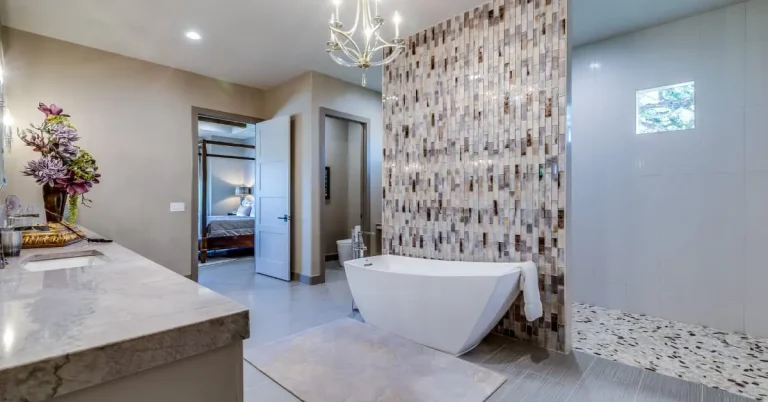
Double vanities eliminate morning conflicts. Not just two sinks – two complete stations with storage, lighting, and elbow room. Budget $5,000-$15,000 for quality vanities with stone tops.
Walk-in showers replace cramped stalls. Zero-threshold entries, multiple shower heads, and built-in seating transform daily routines. Glass enclosures maintain openness while containing moisture. Expect $8,000-$20,000 for properly waterproofed, tiled showers.
Freestanding tubs create focal points while offering relaxation. Position for privacy with garden or skylight views. Quality tubs with fillers run $3,000-$10,000 installed.
Water closets provide privacy for toilet areas. A simple partition wall improves bathroom functionality dramatically for under $2,000.
The Closet System
Closets make or break master suites. His-and-hers walk-ins prevent conflicts while providing organization.
- Minimum size: 6×8 feet per person for comfortable use
- Island potential: 8×10 feet allows central islands for folding and accessories
- Natural light: Windows or skylights prevent cave feeling
- Direct bath access: Flowing from closet to bathroom improves routines
- Built-in systems: Adjustable components adapt to changing needs
Don’t underestimate closet impact. Organized storage starting each day reduces stress more than any luxury fixture.
Where Your Suite Should Go
Master suite placement affects everything from construction cost to daily enjoyment. Consider these location strategies.
Above Garage Additions
Building over attached garages offers several advantages. Structural support already exists. Separation from other bedrooms increases privacy. Plumbing runs stay short if near existing bathrooms. Construction minimally disrupts main house.
Challenges include stair access and potential sound transmission from garage. Proper insulation and solid doors solve most issues. Costs typically run $60,000-$100,000 for 400-500 square feet.
Second Story Additions
Adding up makes sense when lot coverage restricts expansion, views improve with height, privacy matters, or kids occupy first floor. Vertical separation reduces noise conflicts naturally.
Second story additions cost more ($80,000-$150,000) due to structural requirements and roof modifications. But the privacy and separation often justify expense.
Ground Floor Extensions
First-floor suites work better for aging-in-place planning, direct garden access preferences, simpler construction reducing costs, or existing second floor sleeping arrangements.
Ground floor additions typically cost less ($50,000-$90,000) but require more lot space and thoughtful privacy planning.
Systems That Make Suites Work
Beautiful spaces fail without proper mechanical systems. These elements determine whether your suite delights or disappoints.
HVAC Considerations
Master suites need independent temperature control. Options include separate zones on existing systems, dedicated mini-split units, radiant floor heating for bathrooms, and proper ventilation preventing moisture issues.
Never extend existing systems hoping for adequate performance. Sized correctly, dedicated systems add $3,000-$8,000 but ensure comfort year-round.
Plumbing Planning
Luxury bathrooms demand serious plumbing. Water pressure for multiple fixtures operating simultaneously. Hot water capacity for large tubs and rain showers. Drain sizing for rapid-fill tubs. Shut-off accessibility for maintaining luxury fixtures.
Budget $8,000-$15,000 for proper plumbing infrastructure supporting luxury fixtures without problems.
Electrical Requirements
Modern suites need extensive electrical capacity. Bathroom circuits for hair dryers and heated floors. USB outlets throughout for device charging. Lighting circuits supporting multiple scenes. Potential furniture power for adjustable beds. Pre-wiring for motorized shades and fans.
Comprehensive electrical work runs $5,000-$10,000 but prevents extension cord sprawl and overloaded circuits.
Luxury Features Worth the Investment
Some upgrades deliver lasting satisfaction justifying their cost.
Heated Bathroom Floors
Electric radiant heating under tile transforms cold morning bathroom visits. Costing $10-15 per square foot installed, heated floors pay comfort dividends for decades. Everyone who installs them wonders why they waited.
Skylights and Solar Tubes
Natural light takes master suites from nice to exceptional. Operable skylights ventilate while illuminating. Solar tubes bring light to windowless closets and bathrooms. Budget $1,500-$3,500 per installation for dramatic improvement.
Private Outdoor Access
French doors opening to private decks or patios extend living space seasonally. Morning coffee outside or evening stargazing adds immeasurable enjoyment. The $3,000-$8,000 cost returns value daily.
Smart Technology Integration
Automated lighting, motorized shades, and integrated sound systems add comfort without cluttering spaces. Voice-controlled scenes like “Good morning” or “Bedtime” simplify routines. Budget $5,000-$15,000 for comprehensive automation.
Common Master Suite Mistakes to Avoid
Learning from others’ errors saves money and regret.
Oversizing Everything
Huge suites feel empty and waste money. A 20×30 bedroom echoes and lacks intimacy. Multiple seating areas go unused. Focus on quality space, not maximum space.
Underestimating Storage
Beautiful suites turn cluttered without adequate storage. Plan for linen storage near bathroom, concealed hampers in closets, built-in dresser alternatives, hidden safes for valuables, and seasonal clothing solutions.
Poor Traffic Flow
Crossing bedrooms to reach bathrooms at night annoys. Closets requiring bathroom trips while dressing frustrate. Plan circulation patterns supporting real daily routines.
Inadequate Privacy
Windows facing neighbors, thin walls transmitting sound, or doors lacking locks compromise sanctuary feeling. Invest in privacy elements during construction, not as afterthoughts.
What Master Suites Return
Well-designed master suites typically return 60-75% of cost at resale. But focus solely on ROI misses the point. The daily value – better sleep, reduced stress, relationship harmony – far exceeds monetary returns.
Factors improving ROI include matching neighborhood expectations, universal design features supporting aging in place, quality materials like stone and tile that age well, timeless design with classic layouts, and professional execution rather than obvious DIY work.
The homes selling fastest in any market offer true master suites. Buyers pay premiums for proven retreats over theoretical potential.
Building Your Personal Retreat
Your master suite should reflect how you actually live, not magazine fantasies. Start by tracking current bedroom frustrations – bathroom conflicts, storage shortages, noise disruptions. Then imagine ideal mornings and evenings. What would make daily routines pleasant rather than stressful?
Focus budget on elements you’ll use daily. The luxurious shower beats the jetted tub gathering dust. Quality closet systems outvalue decorative fireplace. Soundproofing matters more than crown molding.
View your master suite addition as investment in daily quality of life, not mere home improvement. When you create true sanctuary space, the value extends far beyond property appraisals. The couple who stops arguing over bathroom time, the parents who find peace after chaotic days, the individuals who sleep better in quiet comfort – these returns on investment can’t be calculated but absolutely transform lives.
Your private retreat is possible. With thoughtful planning focused on your actual needs rather than generic luxury, that master suite addition becomes favorite space you’ll wonder how you lived without.