

Last month, I walked through a McLean home where the family had spent a lot on a beautiful two-story addition. The craftsmanship was flawless, the design was stunning, and the interior finishes were magazine-worthy. But there was one problem that made my stomach sink: no one had planned adequately for home addition drainage.
Water was pooling against the foundation where the new addition met the existing house. The homeowner showed me photos from the previous week’s storm – water had actually seeped into their new family room, staining the hardwood floors they’d just installed.
This wasn’t a rare occurrence. In my years working with families across Maryland, Northern Virginia, and Washington, DC, I’ve seen how poor drainage planning can turn dream home additions into expensive headaches. The frustrating part? This damage was completely preventable with professional basement waterproofing and a properly designed yard drainage system from the start.
Here’s what I’ve learned about protecting your investment when planning and for a home addition.
Why Home Addition Drainage Fails (And How to Prevent It)
Most drainage problems with home additions stem from one fundamental issue: treating drainage as an afterthought instead of a foundational element of the design.
When we add square footage to an existing home, we’re changing the yard grading and how water moves around your property. Your original drainage system was designed for your house as it existed – not for the additional roof area, grading changes, and new foundation elements that come with an addition.
The Hidden Drainage Challenges of Home Additions
Roof Water Volume Increases Dramatically: A typical 20×16-foot addition adds 320 square feet of roof surface. During a moderate rainstorm (one inch per hour), that roof collects about 200 gallons of water per hour. Your existing gutters and downspouts weren’t designed to handle this additional volume.
Grade Changes Create New Water Patterns: Every addition requires excavation and backfill, which changes the natural slope of your yard. Even small changes in grade can redirect water toward your foundation instead of away from it. I’ve seen cases where a poorly graded addition turned a basement that had been dry for 20 years into one that floods during heavy rains.
Foundation Connections Become Vulnerable Points: The junction where your new addition meets your existing foundation creates a potential weak spot for water infiltration. Without proper waterproofing and drainage at this connection point, water can find its way into your home.
Existing Drainage Systems Get Overwhelmed: Your current French drains, foundation drains, or yard drainage may not have the capacity to handle the additional water load from your addition. This is especially common in older homes where drainage systems were installed decades ago.
Smart Drainage Solutions for Home Additions
Based on our experience with hundreds of addition projects across the DMV area, here are the drainage strategies that work:
Foundation Drainage That Actually Works
Install a Complete Perimeter Drain System: For any addition, we install new French drains around the entire perimeter of the new foundation. This isn’t just a precaution – it’s essential protection. The drain connects to your existing system or, if needed, to a new drainage outlet.
Waterproof the Foundation Connection: We apply a waterproof membrane at the junction between your existing foundation and the new addition. This prevents water from finding its way into the connection point between old and new construction.
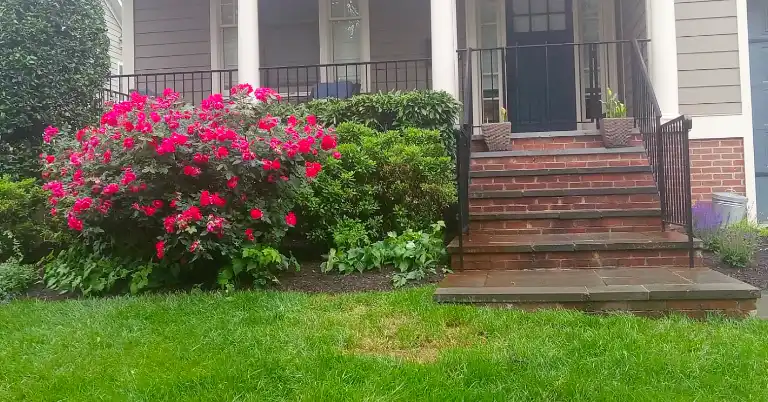
Create Proper Grading Slopes: The soil around your addition needs to slope away from the foundation at a minimum grade of 6 inches over the first 10 feet. We often need to bring in additional soil and carefully grade the entire area around the addition to achieve this slope.
Roof Drainage Upgrades
Size Gutters and Downspouts for Total Water Load: We calculate the total roof area of your existing home plus the addition, then size gutters and downspouts accordingly. Often, this means upgrading gutters on the existing house, not just adding gutters to the addition.
Strategic Downspout Placement: Downspouts need to direct water at least 6 feet away from any foundation – both existing and new. We often install underground drainage lines to carry downspout water to appropriate disposal areas.
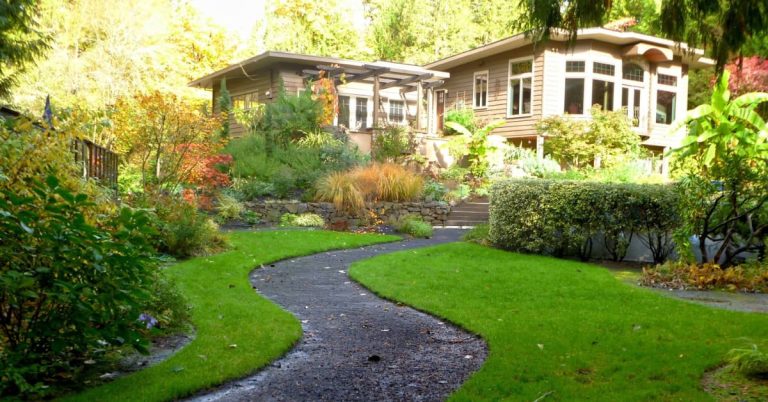
Consider Roof Water Collection Options: For environmentally conscious homeowners, we can design systems that collect roof water in underground cisterns or direct it to rain gardens that help manage stormwater while enhancing your landscape.
Yard Drainage Integration
Connect to Existing Systems: If your property already has drainage infrastructure, we connect your addition’s drainage to these systems – but only after confirming they have adequate capacity.
Install New Drainage When Needed: For properties without existing drainage or where current systems are inadequate, we install new drainage systems designed for the expanded home’s needs.
Plan for Future Maintenance: We install cleanout access points and design systems that homeowners can maintain over time. Drainage systems work well for decades when they’re properly maintained, but they need to be accessible for occasional cleaning.
What This Means for Your Addition Project
Planning proper drainage isn’t just about preventing water damage – it’s about protecting your entire investment. Here’s how drainage considerations should factor into your addition planning:
Budget for Drainage as Part of Your Foundation Work
Drainage isn’t optional – it’s as fundamental as the foundation itself. In our projects, drainage work typically represents 8-12% of the total foundation and excavation costs.
Plan Drainage Before Finalizing Addition Placement
The location and orientation of your addition affect drainage complexity and cost. Sometimes moving an addition a few feet or rotating it slightly can eliminate the need for extensive drainage modifications.
Consider Your Lot’s Natural Drainage Patterns
Every lot has natural water flow patterns. Working with these patterns instead of against them makes drainage more effective and less expensive. During our design process, we evaluate how water naturally moves across your property and plan the addition accordingly.
Address Existing Drainage Issues
If your current home has any drainage issues – even minor ones – an addition project is the perfect time to address them comprehensively. It’s much more cost-effective to solve all drainage challenges during construction than to retrofit solutions later.
Red Flags: When Drainage Planning Goes Wrong
Watch out for these warning signs that drainage isn’t being properly addressed in your addition project:
- Generic drainage solutions – Every property is different. Be concerned if your contractor suggests the same drainage approach for every project.
- Drainage planning that happens after foundation design – Drainage should be integrated into foundation planning from the beginning, not added as an afterthought.
- No evaluation of existing drainage – Your contractor should assess your current drainage systems and how they’ll integrate with new drainage needs.
- Focus only on the addition footprint – Proper drainage planning considers how the addition affects water movement across your entire property.
The Blue Collar Scholars Approach to Home Addition Drainage
When we plan a home addition, drainage evaluation happens during our first site visit. We look at how water currently moves around your property, evaluate your existing drainage systems, and identify any current issues that need attention.
Our drainage planning includes:
- Site evaluation of current water flow patterns and existing drainage infrastructure
- Integrated design that coordinates drainage with foundation and grading plans
- Capacity calculations for roof water collection and disposal
- Future maintenance planning with accessible cleanout points and clear maintenance instructions
We also coordinate drainage work with all other trades. Your plumber, electrician, and landscaper need to know where drainage lines run to avoid conflicts during construction.
Making the Right Choice for Your Home
Every addition project is different, and drainage solutions need to match your specific site conditions, local climate, and soil characteristics. The best drainage design is one that protects your investment while working with your property’s natural characteristics.
If you’re planning an addition in Maryland, Northern Virginia, or Washington, DC, schedule a consultation with our team. We’ll evaluate your property’s drainage needs and show you how proper planning protects both your new addition and your existing home.
During our consultation, we’ll walk your property together, discuss your addition goals, and explain exactly how we’d approach drainage for your specific situation. You’ll leave with a clear understanding of what drainage work your project needs and why these solutions matter for your home’s long-term protection.
Ready to start planning your addition the right way? Contact Blue Collar Scholars today to schedule your consultation! Let’s make sure your investment stays protected for decades to come.