

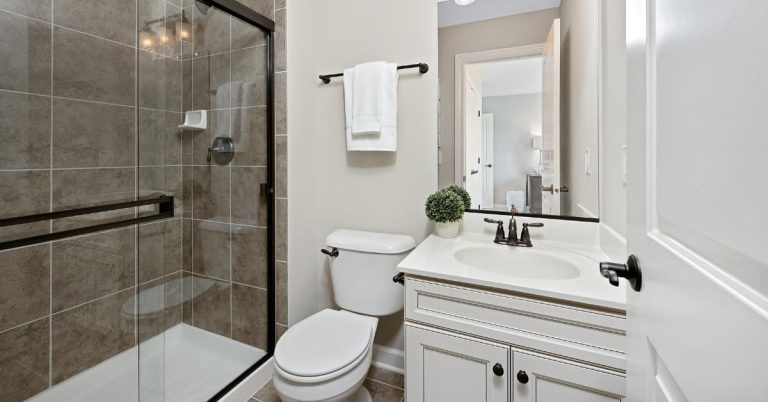
Small bathroom remodels in the DMV region typically take 2-3 weeks to complete. Success depends on strategic planning, space-maximizing layouts, and selecting fixtures that enhance functionality without compromising style – all while navigating local building codes in Maryland, Virginia, and Washington D.C.
At Blue Collar Scholars, we’ve transformed hundreds of compact bathrooms across Montgomery County, Fairfax County, and the District into functional, beautiful spaces that homeowners love. Our expert bathroom remodeling services combine practical design solutions with quality craftsmanship to help you make the most of every square inch.
What You’ll Learn: Small bathroom remodels deliver significant value when properly planned. Strategic fixture placement, vertical storage integration, and light-maximizing design choices create spaces that feel 30-40% larger than actual dimensions. Professional contractors in the DMV region report average project timelines of 2-3 weeks for standard remodels depending on materials and scope.
Planning Your Small Bathroom Remodel: Setting the Foundation
Successful small bathroom remodels begin with thorough planning that addresses both aesthetic goals and practical constraints. Understanding your bathroom’s current limitations helps identify opportunities for improvement without overspending on unnecessary changes. According to the National Kitchen & Bath Association, maintaining existing plumbing locations is one of the most effective ways to reduce renovation costs.Assess Your DMV Bathroom’s Unique Constraints
Maryland, Virginia, and DC homes built before 1990 often require plumbing updates to meet current codes. Montgomery County requires 50 CFM exhaust fans in all bathrooms, while Fairfax County mandates GFCI outlets within 6 feet of water sources. These regional requirements impact your budget and timeline significantly. Start by documenting what currently works well and what causes daily frustration. Do you need counter space for getting ready, or would extra storage prove more valuable? Would eliminating a rarely-used tub in favor of a walk-in shower create better functionality? These practical considerations ensure your remodeled bathroom enhances rather than complicates your daily routine.Establish Realistic Budget Parameters
Small bathroom remodel costs in the DMV region break down into three distinct tiers. Understanding where your project falls helps set realistic expectations and prioritize spending where it matters most.Budget-Conscious
- Keep existing layout (no plumbing moves)
- Ceramic tile flooring and walls
- Stock vanity from major retailers
- Standard chrome fixtures
- Basic lighting upgrades
Mid-Range
- Limited layout modifications
- Porcelain tile with designer patterns
- Semi-custom vanity with storage
- Brushed nickel or bronze fixtures
- Recessed lighting and task lighting
Luxury
- Complete layout redesign possible
- Natural stone or premium porcelain
- Fully custom built vanity
- High-end designer fixtures
- Smart features and heated floors
According to Fidelity, homeowners should allocate 10-15% of their budget for unexpected discoveries like water damage or outdated plumbing that needs updating. Our team at Blue Collar Scholars provides detailed estimates that account for these potential surprises, ensuring your project stays on track financially.
Understand DMV Building Codes and Permit Requirements
Even small bathroom remodels must comply with local building codes, particularly regarding electrical and plumbing work. Maryland, Virginia, and DC each have specific requirements that impact your renovation timeline and budget. Montgomery County requires permits for any electrical or plumbing modifications, with review periods of 7-10 business days. Fairfax County mandates inspections at rough-in and final completion stages. Arlington and DC have similar requirements, plus specific ventilation standards that vary by neighborhood historic designations. Our licensed professionals ensure all renovations meet or exceed code requirements, providing peace of mind and preventing costly corrections later. This expertise is especially valuable in older DMV homes where updates may require bringing systems up to current standards.Material Selection: Making Smart Choices for DMV Climates
Material selection represents 65-70% of your total bathroom remodel cost. The difference between standard and premium options is substantial, but understanding performance characteristics helps you invest wisely based on your specific needs and DMV’s humid climate conditions. According to discussions in the r/HomeImprovement community, homeowners consistently report that investing in quality waterproofing materials prevented costly repairs 3-5 years post-renovation. Multiple contributors emphasized that cutting corners on waterproofing is the number one regret in small bathroom remodels.Porcelain Tile
Lifespan: 50+ years
Maintenance: Low
Best For: High-traffic, wet areas
Ceramic Tile
Lifespan: 25-40 years
Maintenance: Low
Best For: Walls, low-traffic floors
Luxury Vinyl
Lifespan: 10-20 years
Maintenance: Very Low
Best For: Budget-conscious, DIY
Natural Stone
Lifespan: 50+ years
Maintenance: High
Best For: Luxury, statement areas
For DMV’s climate with high humidity in summer and freezing temperatures in winter, porcelain tile offers the best performance-to-cost ratio. It handles temperature fluctuations without cracking and resists moisture penetration better than ceramic or natural stone.
Maximizing Space Through Strategic Layout Design
When floor space is limited, successful small bathroom remodels look upward and utilize every dimensional opportunity. Understanding minimum clearance requirements while maximizing functionality separates mediocre renovations from exceptional ones.Required Clearances and Code Compliance
The International Code Council (ICC) establishes minimum dimensions that Maryland, Virginia, and DC jurisdictions enforce. These aren’t suggestions – they’re legal requirements that failed inspections will flag.Toilet Width 30″ 15″ from centerline each side
Front Clearance 21″ From toilet to any fixture/wall
Shower Minimum 30″×30″ 36″×36″ recommended
Vanity Access 30″ Clear space in front
Door Width 32″ For accessibility compliance
Ceiling Height 80″ Minimum over fixtures
Vertical Storage Solutions
Our small bathroom remodel experts implement various vertical storage strategies that don’t consume precious floor space. Wall-mounted elements create visual and physical breathing room while providing necessary storage. Floating shelves provide storage without bulky cabinetry. Tall, narrow cabinets offer maximum storage in minimal floor space. Wall-mounted organizers for toiletries and essentials keep counters clear. Recessed medicine cabinets provide storage without protruding into the room, gaining 4-6 inches of clearance compared to surface-mounted alternatives. These vertical solutions create substantial storage while maintaining an open, airy feel that’s essential in compact bathrooms. The key is mounting items at functional heights – most homeowners find 48-60 inches optimal for daily-use items.Floating Vanities and Space Perception
Wall-mounted vanities have become a signature element in modern small bathroom remodels. These floating fixtures create the illusion of more floor space while providing necessary storage and counter area. The visible floor beneath extends to the wall, creating an uninterrupted visual line that makes the room appear larger. As a bonus, these elevated fixtures make cleaning underneath a breeze – a practical consideration for busy DMV households. Installation requires solid wall blocking, which your contractor should install during the rough-in phase before drywall goes up.Project Timeline: What to Expect Week by Week
Understanding the renovation timeline helps you plan around disruptions and set realistic expectations. Small bathroom remodels in the DMV region typically follow this progression, though permits and inspections can add 1-2 weeks.Week 1: Demo & Prep (3-4 days)
Day 1-2: Removal of fixtures, tile, and damaged materials. Dumpster placement and debris management.
Day 3: Plumbing rough-in modifications. PEX repiping if needed for code compliance.
Day 4: Electrical updates. GFCI outlets, exhaust fan wiring, new lighting circuits.
Week 2: Installation (5-7 days)
Day 5-7: Waterproofing membrane, tile installation (floor then walls). Grout and seal.
Day 8-9: Fixture installation. Toilet, shower valve, tub if applicable.
Day 10-11: Vanity installation, countertop templating and installation.
Week 3: Finishing (3-4 days)
Day 12-13: Paint application (2 coats), trim installation, caulking.
Day 14: Final fixtures. Mirrors, lighting, towel bars, toilet paper holders.
Day 15: Final inspection walkthrough, punch list completion, client orientation.
Montgomery County and Fairfax County require inspections after rough-in work and before final completion. Schedule these early – inspectors typically need 2-3 business days notice, and failed inspections can delay your project by a week or more.
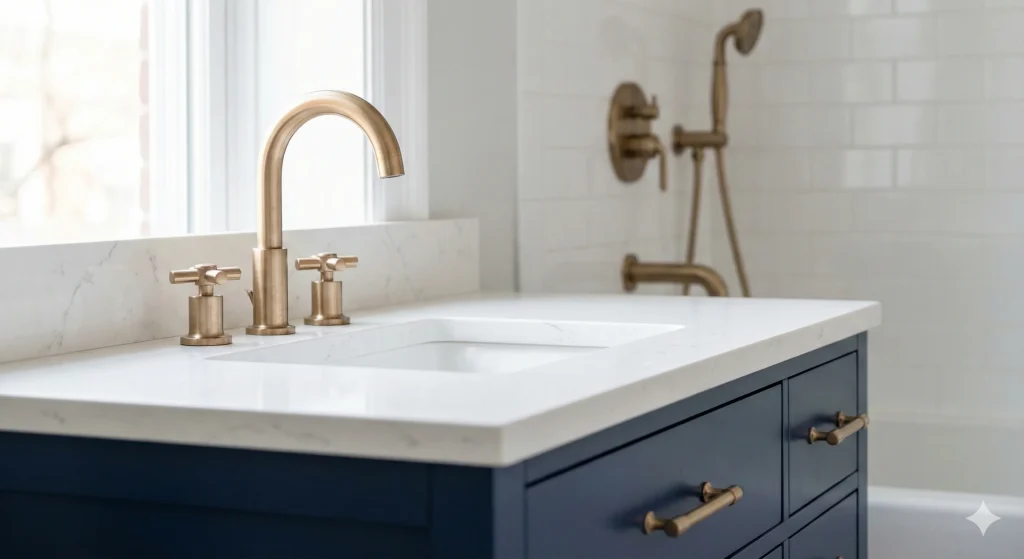 Replace outdated chrome or scratched fixtures with warm-toned metals that resist water spots beautifully. Champagne bronze, brushed gold, and antique brass create luxurious focal points through simple hardware swaps – faucets, showerheads, towel bars, and cabinet pulls all contribute to cohesive, elevated aesthetics.
DMV homeowners appreciate these finishes complement both historic homes in Capitol Hill and modern Bethesda condos. The transition takes just one weekend but transforms your bathroom’s entire character. Montgomery County contractors report this single update often becomes the design foundation for larger renovations down the line.
Replace outdated chrome or scratched fixtures with warm-toned metals that resist water spots beautifully. Champagne bronze, brushed gold, and antique brass create luxurious focal points through simple hardware swaps – faucets, showerheads, towel bars, and cabinet pulls all contribute to cohesive, elevated aesthetics.
DMV homeowners appreciate these finishes complement both historic homes in Capitol Hill and modern Bethesda condos. The transition takes just one weekend but transforms your bathroom’s entire character. Montgomery County contractors report this single update often becomes the design foundation for larger renovations down the line.
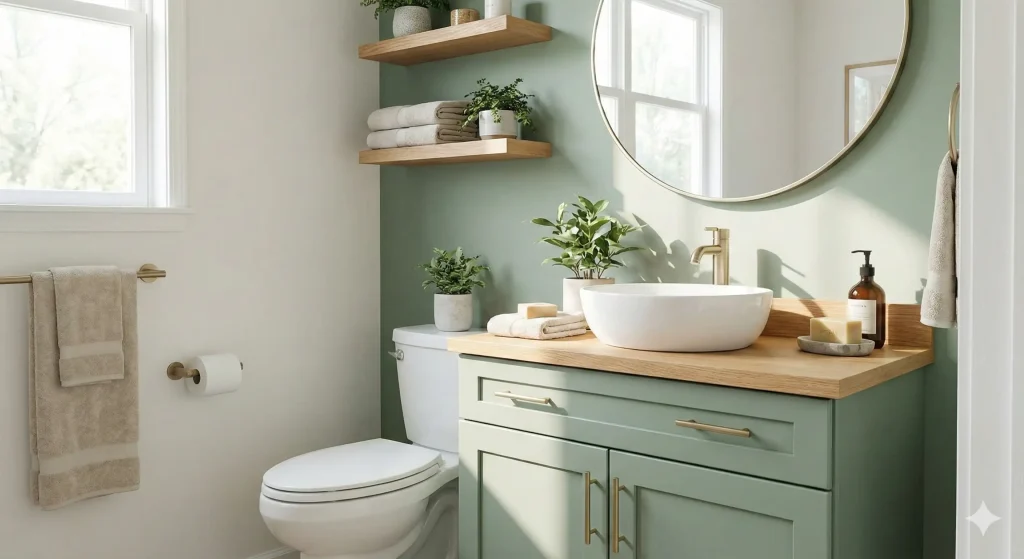 Incorporate serene sage-blue tones that create spa-like tranquility without permanent commitment. Paint existing vanity cabinets in soft green hues or dedicate one accent wall to this calming color – HGTV named similar tones their 2025 Color of the Year for good reason. The shade pairs beautifully with natural wood tones and warm brass fixtures, creating layered sophistication.
North-facing bathrooms in Montgomery County particularly benefit from this color choice – the warm undertones counter cool natural light without feeling sterile. The paint-only approach means testing the trend costs minimal investment if you decide to change directions later.
Incorporate serene sage-blue tones that create spa-like tranquility without permanent commitment. Paint existing vanity cabinets in soft green hues or dedicate one accent wall to this calming color – HGTV named similar tones their 2025 Color of the Year for good reason. The shade pairs beautifully with natural wood tones and warm brass fixtures, creating layered sophistication.
North-facing bathrooms in Montgomery County particularly benefit from this color choice – the warm undertones counter cool natural light without feeling sterile. The paint-only approach means testing the trend costs minimal investment if you decide to change directions later.
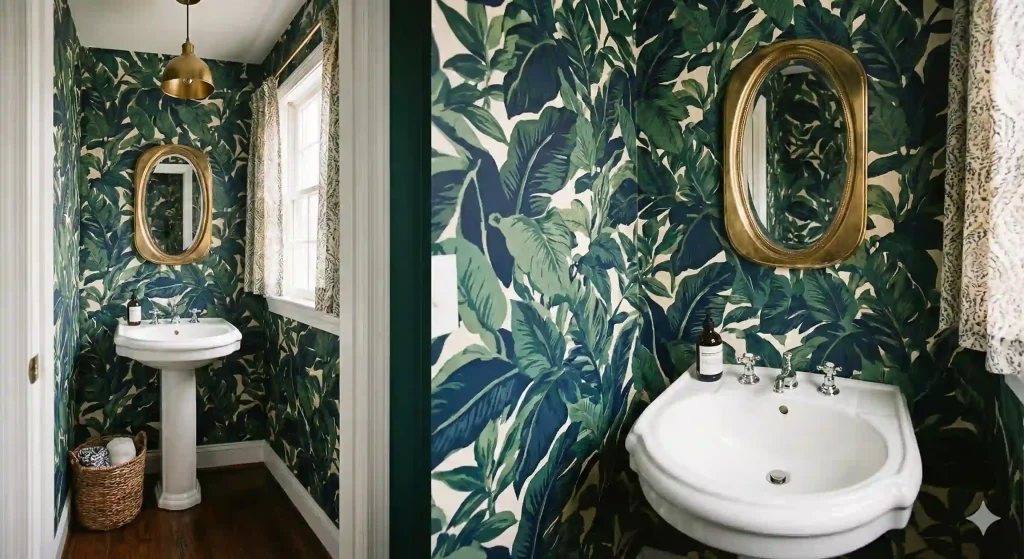 Transform half-baths into personality-packed spaces with bold botanical prints, vintage-inspired patterns, or geometric designs. Compact powder room dimensions justify pattern experimentation that would overwhelm larger spaces – the limitation becomes an asset. Moisture-resistant wallpapers designed specifically for bathrooms withstand DMV’s humid summer climate without peeling or warping.
This weekend project requires minimal materials but creates maximum impact, turning a utilitarian space into a conversation starter guests remember. Fairfax County homeowners particularly embrace this approach for street-level powder rooms where bold design makes strong first impressions.
Transform half-baths into personality-packed spaces with bold botanical prints, vintage-inspired patterns, or geometric designs. Compact powder room dimensions justify pattern experimentation that would overwhelm larger spaces – the limitation becomes an asset. Moisture-resistant wallpapers designed specifically for bathrooms withstand DMV’s humid summer climate without peeling or warping.
This weekend project requires minimal materials but creates maximum impact, turning a utilitarian space into a conversation starter guests remember. Fairfax County homeowners particularly embrace this approach for street-level powder rooms where bold design makes strong first impressions.
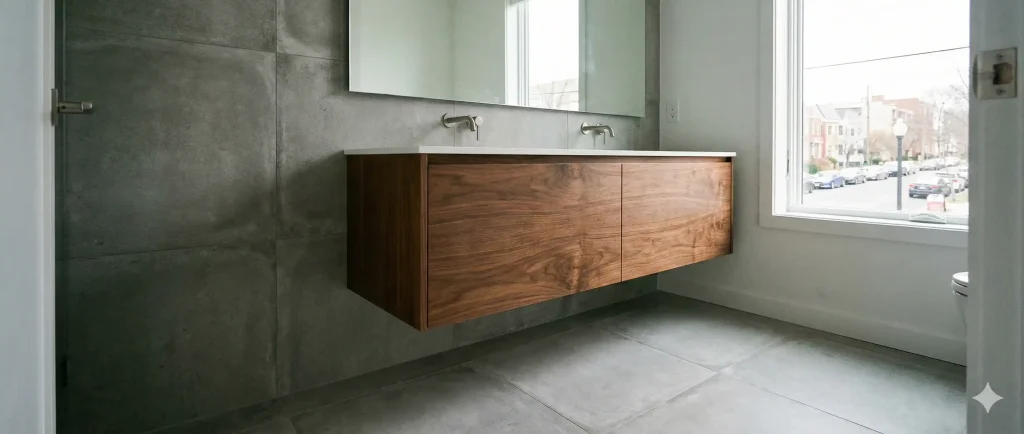 Wall-mounted vanities reveal floor beneath, creating visual breathing room that makes bathrooms feel significantly larger than actual dimensions suggest. Rich walnut, dark-stained oak, or natural teak shift away from whitewashed wood toward warmer aesthetics aligned with current design trends. The exposed floor simplifies cleaning underneath – a practical advantage busy DMV households genuinely appreciate.
Installation requires proper wall blocking coordinated during framing, so discuss this early with your contractor. These vanities work particularly well in Arlington’s mid-century homes and Alexandria’s contemporary townhomes where clean lines complement existing architecture.
Wall-mounted vanities reveal floor beneath, creating visual breathing room that makes bathrooms feel significantly larger than actual dimensions suggest. Rich walnut, dark-stained oak, or natural teak shift away from whitewashed wood toward warmer aesthetics aligned with current design trends. The exposed floor simplifies cleaning underneath – a practical advantage busy DMV households genuinely appreciate.
Installation requires proper wall blocking coordinated during framing, so discuss this early with your contractor. These vanities work particularly well in Arlington’s mid-century homes and Alexandria’s contemporary townhomes where clean lines complement existing architecture.
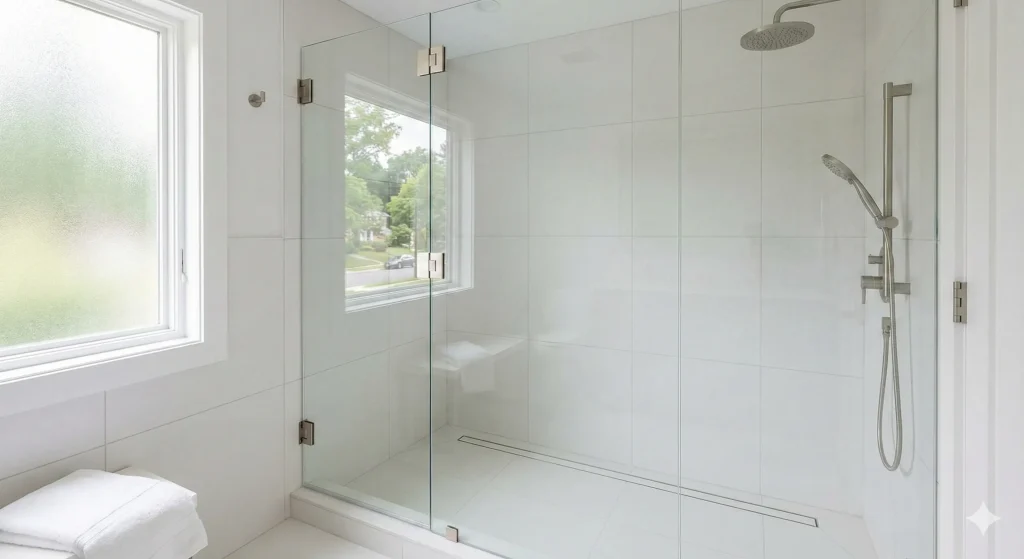 Oversized porcelain tiles up to 36 inches create sleek, contemporary surfaces with dramatically fewer grout lines. This means easier cleaning, reduced mold accumulation in humid Mid-Atlantic summers, and visual expansion through uninterrupted surfaces. Large format installation requires experienced tilers – improper substrate preparation causes cracking – but long-term maintenance savings justify professional installation.
Montgomery County homeowners report spending 60% less time cleaning tile surfaces compared to traditional 12-inch tiles. Choose rectified edges for tightest grout joints and most seamless appearance.
Oversized porcelain tiles up to 36 inches create sleek, contemporary surfaces with dramatically fewer grout lines. This means easier cleaning, reduced mold accumulation in humid Mid-Atlantic summers, and visual expansion through uninterrupted surfaces. Large format installation requires experienced tilers – improper substrate preparation causes cracking – but long-term maintenance savings justify professional installation.
Montgomery County homeowners report spending 60% less time cleaning tile surfaces compared to traditional 12-inch tiles. Choose rectified edges for tightest grout joints and most seamless appearance.
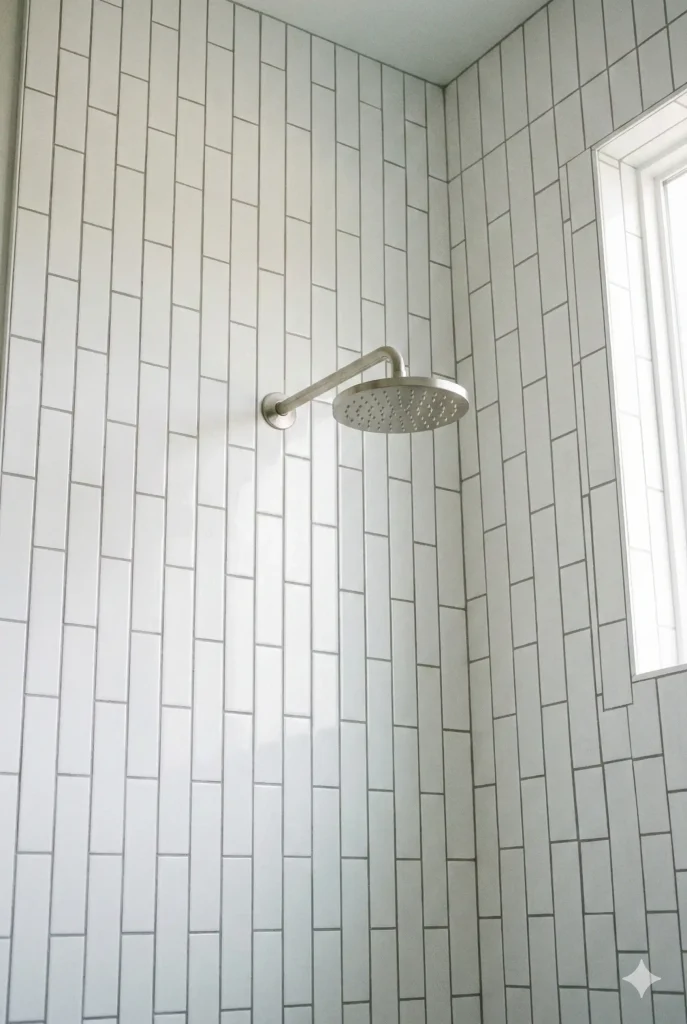 Install rectangular subway tiles in vertical stacks rather than traditional horizontal brick patterns – this simple orientation change draws eyes upward, making ceilings appear higher and spaces feel more expansive. The technique works with standard 3×6 subway tiles or larger 4×12 formats while using affordable materials – perfect for budget-conscious DMV renovations.
Consider alternating two complementary colors in the stack for added visual interest without overwhelming small spaces. According to the National Kitchen & Bath Association, vertical patterns create perceived height increases of 15-20% compared to horizontal layouts.
Install rectangular subway tiles in vertical stacks rather than traditional horizontal brick patterns – this simple orientation change draws eyes upward, making ceilings appear higher and spaces feel more expansive. The technique works with standard 3×6 subway tiles or larger 4×12 formats while using affordable materials – perfect for budget-conscious DMV renovations.
Consider alternating two complementary colors in the stack for added visual interest without overwhelming small spaces. According to the National Kitchen & Bath Association, vertical patterns create perceived height increases of 15-20% compared to horizontal layouts.
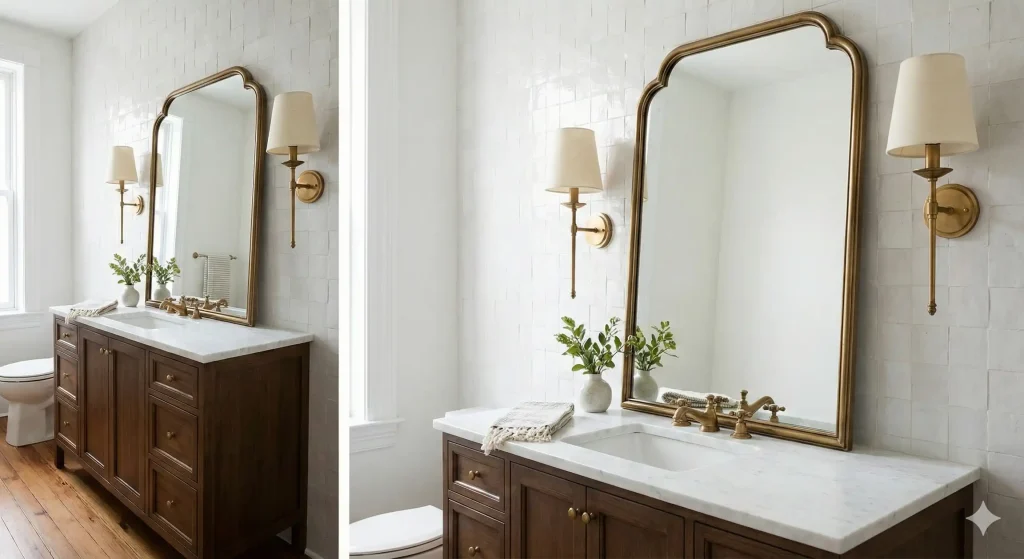 Replace standard rectangular mirrors with curved, arch-topped designs that soften bathroom aesthetics while adding architectural sophistication. The gentle curves create romantic, timeless appeal complementing both traditional DC rowhouses and modern Fairfax County homes. Arched shapes draw eyes upward, contributing to that critical vertical visual expansion.
These mirrors range from simple frameless designs to ornate brass-framed statements. Installation is straightforward – most hang with standard mirror clips or adhesive – making this an accessible upgrade with outsized design impact for DIY-capable homeowners.
Replace standard rectangular mirrors with curved, arch-topped designs that soften bathroom aesthetics while adding architectural sophistication. The gentle curves create romantic, timeless appeal complementing both traditional DC rowhouses and modern Fairfax County homes. Arched shapes draw eyes upward, contributing to that critical vertical visual expansion.
These mirrors range from simple frameless designs to ornate brass-framed statements. Installation is straightforward – most hang with standard mirror clips or adhesive – making this an accessible upgrade with outsized design impact for DIY-capable homeowners.
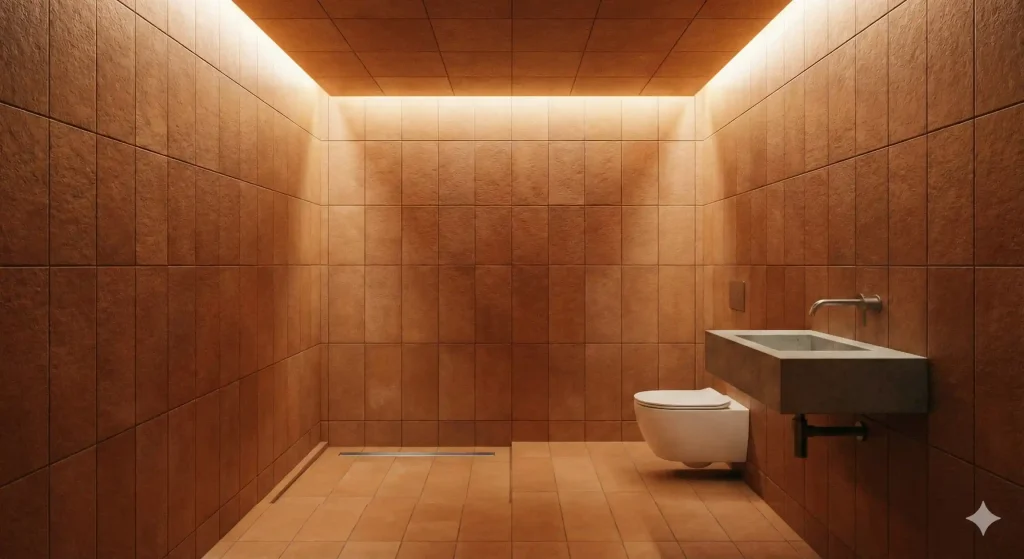 Extend identical tile from floor to walls to shower enclosure, creating seamless visual flow that eliminates choppy visual breaks. This technique adapts 2024’s color-drenching paint trend with functional waterproof materials perfect for wet areas. Monochromatic tile envelopes create calming, spa-like atmospheres while making small bathrooms feel cohesive rather than fragmented.
Consider sage green, warm terracotta, or soft gray porcelain in matte finishes. The continuous surface simplifies future maintenance – one grout color, one sealant schedule, unified cleaning approach. Particularly effective in windowless bathrooms where visual simplicity compensates for limited natural light.
Extend identical tile from floor to walls to shower enclosure, creating seamless visual flow that eliminates choppy visual breaks. This technique adapts 2024’s color-drenching paint trend with functional waterproof materials perfect for wet areas. Monochromatic tile envelopes create calming, spa-like atmospheres while making small bathrooms feel cohesive rather than fragmented.
Consider sage green, warm terracotta, or soft gray porcelain in matte finishes. The continuous surface simplifies future maintenance – one grout color, one sealant schedule, unified cleaning approach. Particularly effective in windowless bathrooms where visual simplicity compensates for limited natural light.
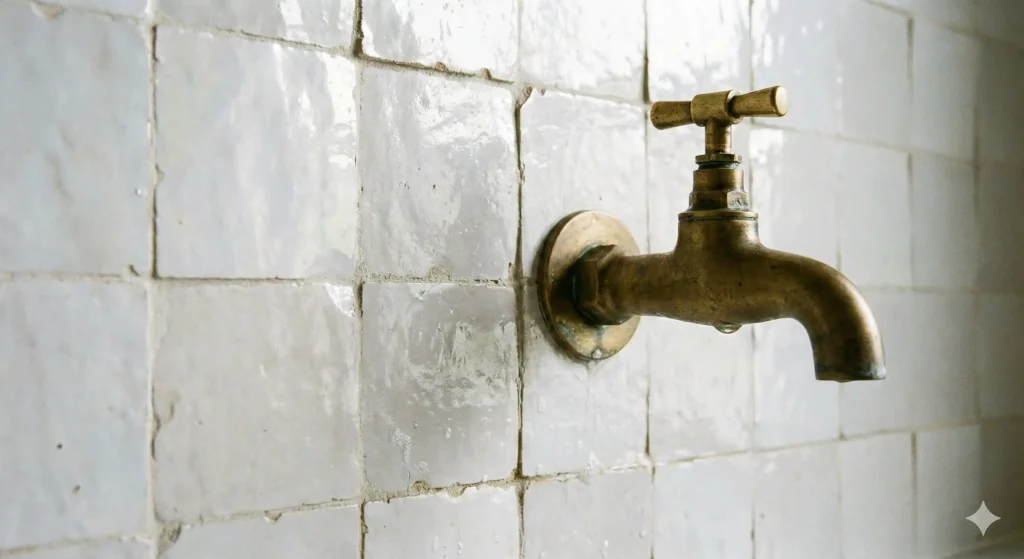 Incorporate hand-crafted Moroccan tiles with naturally irregular surfaces that machine-made alternatives cannot replicate. The subtle color variations and artisanal imperfections add warmth and character without overwhelming compact spaces – use zellige strategically rather than wall-to-wall. A shower accent wall, backsplash behind vanity, or narrow vertical stripe delivers impact without budget overruns.
The handmade nature means each tile differs slightly in tone and texture, creating living surfaces that develop character over time. These tiles work beautifully in historic DC neighborhoods where homeowners appreciate authentic craftsmanship. Expect 4-6 week lead times for specialty orders.
Incorporate hand-crafted Moroccan tiles with naturally irregular surfaces that machine-made alternatives cannot replicate. The subtle color variations and artisanal imperfections add warmth and character without overwhelming compact spaces – use zellige strategically rather than wall-to-wall. A shower accent wall, backsplash behind vanity, or narrow vertical stripe delivers impact without budget overruns.
The handmade nature means each tile differs slightly in tone and texture, creating living surfaces that develop character over time. These tiles work beautifully in historic DC neighborhoods where homeowners appreciate authentic craftsmanship. Expect 4-6 week lead times for specialty orders.
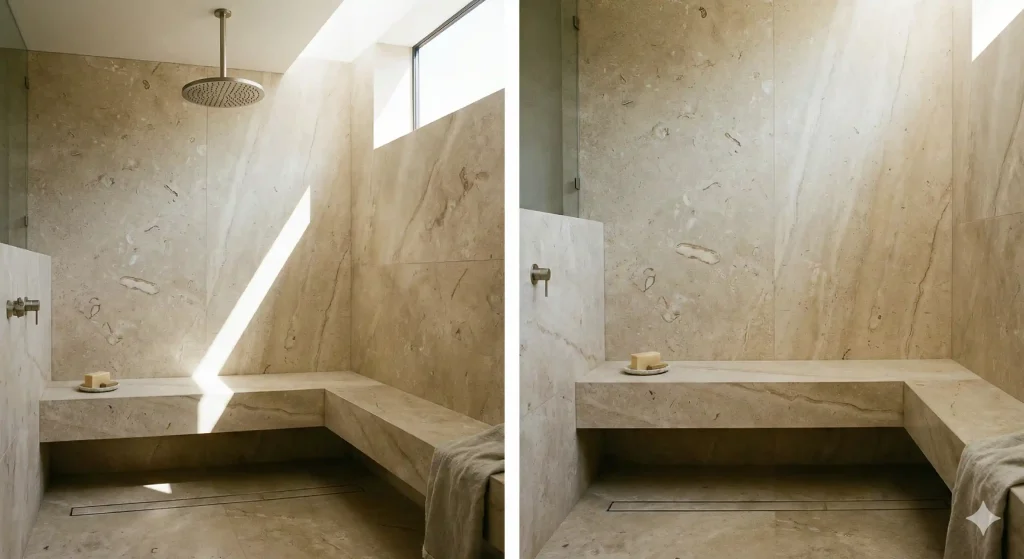 Replace bright white Carrara marble with warm limestone or honed marble finishes that embrace natural patina rather than resisting it. This shift toward cozy, lived-in aesthetics accepts that natural stone develops character through use – a refreshing departure from sterile perfection. Honed finishes hide water spots better than polished surfaces – particularly valuable in hard-water areas of Montgomery County and Fairfax County.
Limestone countertops, shower benches, or accent walls add organic texture synthetic materials cannot match. Seal properly with penetrating sealers every 6-12 months to maintain water resistance without altering the stone’s natural appearance.
Replace bright white Carrara marble with warm limestone or honed marble finishes that embrace natural patina rather than resisting it. This shift toward cozy, lived-in aesthetics accepts that natural stone develops character through use – a refreshing departure from sterile perfection. Honed finishes hide water spots better than polished surfaces – particularly valuable in hard-water areas of Montgomery County and Fairfax County.
Limestone countertops, shower benches, or accent walls add organic texture synthetic materials cannot match. Seal properly with penetrating sealers every 6-12 months to maintain water resistance without altering the stone’s natural appearance.
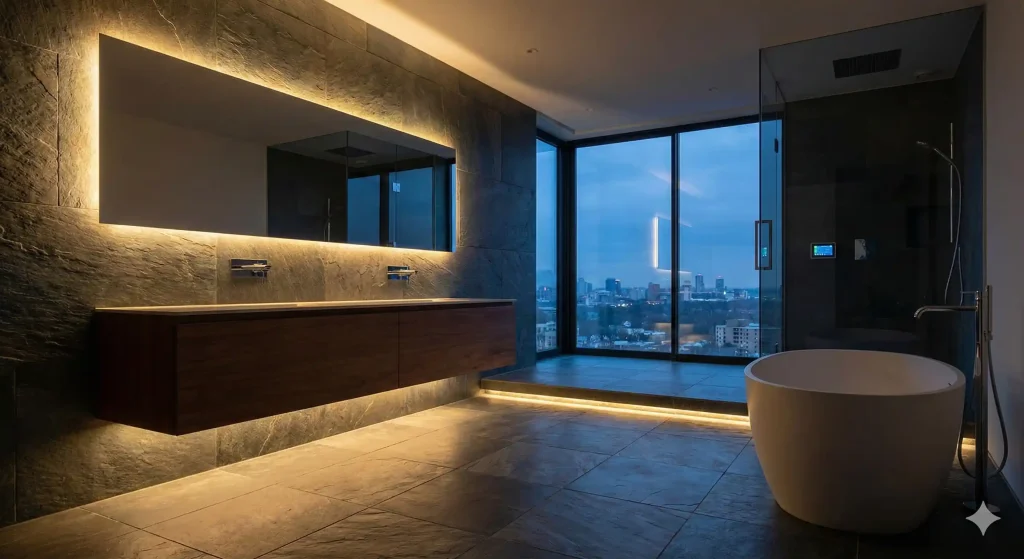 Replace traditional spotlights with hidden LED strips in mirrors, under vanities, and along shower niches. These systems create ambient glow enhancing perceived spaciousness while providing functional task lighting. Modern LED technology offers adjustable color temperatures – cool whites for morning routines, warm tones for evening relaxation – with dimmer controls adding versatility.
Backlit mirrors eliminate shadows on faces during grooming while creating dramatic focal points. Montgomery County electrical codes require GFCI protection for all bathroom circuits, which your licensed electrician ensures during installation. This upgrade delivers both functionality and atmosphere.
Replace traditional spotlights with hidden LED strips in mirrors, under vanities, and along shower niches. These systems create ambient glow enhancing perceived spaciousness while providing functional task lighting. Modern LED technology offers adjustable color temperatures – cool whites for morning routines, warm tones for evening relaxation – with dimmer controls adding versatility.
Backlit mirrors eliminate shadows on faces during grooming while creating dramatic focal points. Montgomery County electrical codes require GFCI protection for all bathroom circuits, which your licensed electrician ensures during installation. This upgrade delivers both functionality and atmosphere.
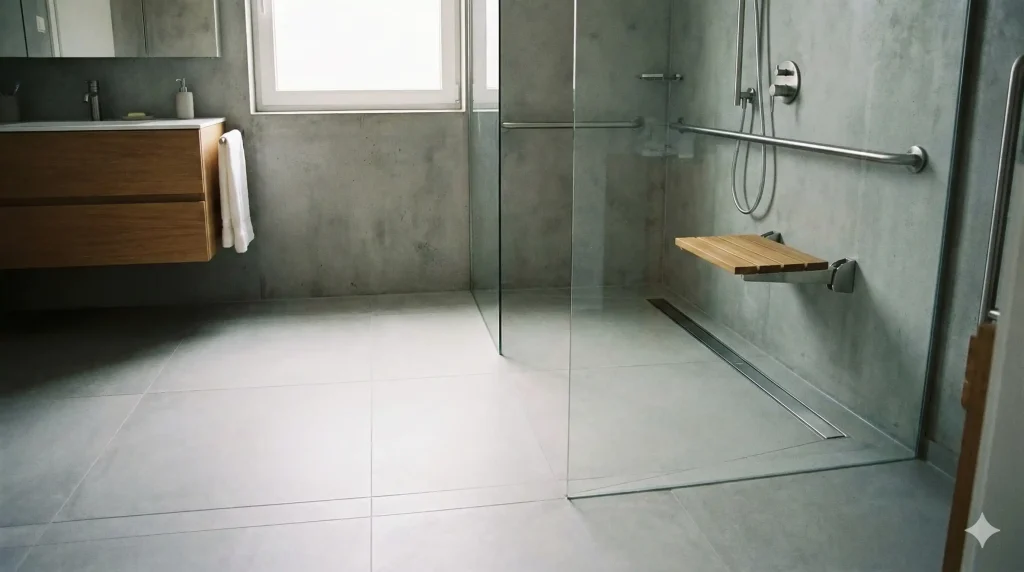 Eliminate threshold barriers with zero-curb or low-curb shower entries supporting aging-in-place while delivering sleek modern aesthetics. According to Houzz, 68% of homeowners now factor accessibility into bathroom projects, recognizing universal design benefits everyone regardless of age or mobility.
Curbless showers require precise waterproofing and proper floor slope (minimum 0.25 inch per foot) toward drains – critical in DMV’s humid climate where standing water breeds mold. These entries make bathrooms feel more expansive by removing visual barriers between wet and dry zones. Linear drains along shower thresholds manage water flow elegantly.
Eliminate threshold barriers with zero-curb or low-curb shower entries supporting aging-in-place while delivering sleek modern aesthetics. According to Houzz, 68% of homeowners now factor accessibility into bathroom projects, recognizing universal design benefits everyone regardless of age or mobility.
Curbless showers require precise waterproofing and proper floor slope (minimum 0.25 inch per foot) toward drains – critical in DMV’s humid climate where standing water breeds mold. These entries make bathrooms feel more expansive by removing visual barriers between wet and dry zones. Linear drains along shower thresholds manage water flow elegantly.
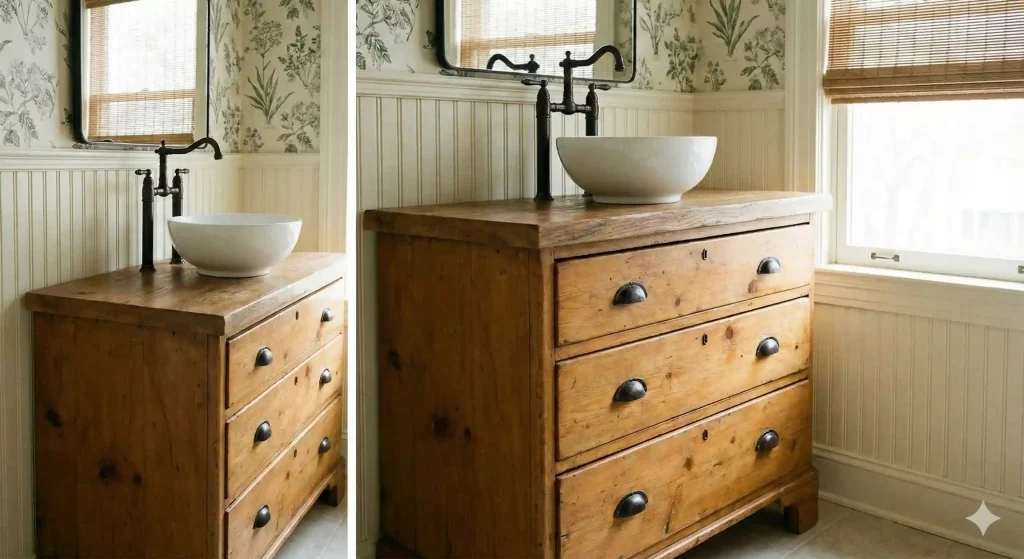 Convert antique furniture pieces or vintage-inspired consoles into functional bathroom vanities with undermount sinks and modern plumbing. This approach delivers uniqueness mass-produced cabinetry cannot match while honoring historic character common in older DC and Alexandria homes. Authentically aged wood, ornate legs, and hand-carved details create focal points worthy of small spaces.
Work with experienced contractors who understand moisture management – proper sealing and ventilation prevents wood damage in humid bathroom environments. These custom conversions require 3-4 weeks lead time but justify investment through irreplaceable character that distinguishes your home.
Convert antique furniture pieces or vintage-inspired consoles into functional bathroom vanities with undermount sinks and modern plumbing. This approach delivers uniqueness mass-produced cabinetry cannot match while honoring historic character common in older DC and Alexandria homes. Authentically aged wood, ornate legs, and hand-carved details create focal points worthy of small spaces.
Work with experienced contractors who understand moisture management – proper sealing and ventilation prevents wood damage in humid bathroom environments. These custom conversions require 3-4 weeks lead time but justify investment through irreplaceable character that distinguishes your home.
 Classic geometric patterns scaled larger than traditional mosaic versions offer timeless appeal with modern proportions. Oversized penny rounds (2-3 inches diameter) or large hexagons (4-6 inches) provide visual interest without the maintenance burden of tiny tiles – fewer grout lines mean easier cleaning and reduced mold accumulation.
These patterns work beautifully on floors or accent walls, adding texture without overwhelming compact spaces. White, black, or two-tone combinations suit various design aesthetics from farmhouse to contemporary. Installation costs less than traditional mosaic due to reduced labor time – a win for both budget and timeline.
Classic geometric patterns scaled larger than traditional mosaic versions offer timeless appeal with modern proportions. Oversized penny rounds (2-3 inches diameter) or large hexagons (4-6 inches) provide visual interest without the maintenance burden of tiny tiles – fewer grout lines mean easier cleaning and reduced mold accumulation.
These patterns work beautifully on floors or accent walls, adding texture without overwhelming compact spaces. White, black, or two-tone combinations suit various design aesthetics from farmhouse to contemporary. Installation costs less than traditional mosaic due to reduced labor time – a win for both budget and timeline.
 Achieve European sophistication with smooth, grout-free surfaces using lime plaster or microcement. These troweled finishes create warm, organic texture without cold tile aesthetics while remaining fully waterproof in wet areas. The seamless application eliminates grout lines entirely – no periodic resealing, no mold accumulation between tiles, dramatically simplified maintenance.
Colors range from warm terracotta to cool gray, with subtle tonal variations adding depth impossible with flat paint. Application requires specialized skills – not a DIY project – but the distinctive finish sets your bathroom apart from typical tile installations. Particularly stunning in powder rooms where full waterproofing isn’t critical.
Achieve European sophistication with smooth, grout-free surfaces using lime plaster or microcement. These troweled finishes create warm, organic texture without cold tile aesthetics while remaining fully waterproof in wet areas. The seamless application eliminates grout lines entirely – no periodic resealing, no mold accumulation between tiles, dramatically simplified maintenance.
Colors range from warm terracotta to cool gray, with subtle tonal variations adding depth impossible with flat paint. Application requires specialized skills – not a DIY project – but the distinctive finish sets your bathroom apart from typical tile installations. Particularly stunning in powder rooms where full waterproofing isn’t critical.
Common Timeline Delays
Water damage discovery adds 2-4 days for proper remediation. Custom vanity orders require 3-4 weeks lead time – order early. Permit delays in Arlington and DC can extend timelines by 1-2 weeks. Material backorders (especially designer tiles) can delay projects by 2-3 weeks. Plan ahead and order materials before demo begins.Common Challenges and How to Address Them
Approximately 30% of small bathroom remodels uncover unexpected issues that impact budget and timeline. Being prepared for these possibilities prevents panic when they arise.Water Damage and Structural Issues
Hidden water damage behind walls or under flooring is the most common discovery in bathroom renovations. DMV’s humid summers accelerate deterioration in older homes, particularly those built before 1980 when building materials and waterproofing standards were less robust. Budget for potential water damage repairs, which can cover subfloor replacement, wall stud repair, and mold remediation if necessary. Addressing these issues immediately prevents more costly repairs down the line.Outdated Plumbing Systems
Homes built before 1990 often have galvanized steel or polybutylene pipes that Maryland and Virginia codes now prohibit for new installations. If your contractor discovers these materials, expect recommendations for partial or complete repiping. PEX repiping for a small bathroom provides peace of mind and prevents future leaks. Montgomery County specifically requires PEX or copper for all new plumbing installations.Inadequate Ventilation
Maryland requires 50 CFM (cubic feet per minute) exhaust fans in all bathrooms. Virginia and DC have similar requirements. Many older homes have undersized fans or none at all, requiring upgrades during renovation. Proper ventilation prevents mold growth and protects your investment. If your bathroom lacks adequate ventilation, budget for exhaust fan installation — units with humidity sensors cost slightly more but provide automatic operation.
Working with experienced bathroom remodel contractors helps navigate these challenges efficiently. Our team’s familiarity with DMV building codes and common regional issues streamlines the problem-solving process.
Light and Color: Creating Visual Spaciousness
Proper lighting transforms small bathroom spaces, making them feel larger, more welcoming, and more functional. Our comprehensive approach includes layered lighting plans that enhance both aesthetics and usability.Color Palettes That Expand Space
When selecting colors for your small bathroom remodel, light neutrals create a sense of openness and airiness. Soft whites, pale grays, and gentle beiges reflect light, making the space feel larger than its actual dimensions. Our design experts can help you select the perfect shade and finish for your bathroom’s lighting conditions. North-facing DMV bathrooms benefit from warm whites, while south-facing spaces can handle cooler tones without feeling sterile.Reflective Surfaces and Strategic Mirrors
Incorporating reflective elements like glossy tiles, polished fixtures, and glass accessories multiplies available light in your small bathroom remodel. These surfaces bounce light around the room, eliminating shadows and creating a brighter, more open atmosphere. Installing a full-width mirror above the vanity creates a dramatic sense of depth in any small bathroom remodel. This design choice reflects light from windows or fixtures, effectively doubling the perceived size of the room. Modern mirror options with integrated LED lighting add both functionality and ambiance, while anti-fog technology ensures practicality in steamy environments.Layered Lighting Strategy
Professional bathroom lighting combines three layers: ambient (overhead), task (vanity area), and accent (architectural features). This approach provides flexibility for different uses throughout the day. Recessed LED ceiling lights provide overall illumination without consuming headspace. Sconces flanking the mirror eliminate shadows for grooming tasks. Under-cabinet LED strips add ambient lighting that enhances nighttime navigation. Dimmer switches allow adjustment based on time of day and activity.Fixture Selection for Small Bathrooms
Selecting the right fixtures is critical for small bathroom remodel success. Today’s manufacturers offer numerous space-conscious options that don’t sacrifice style or function.Space-Efficient Toilet Options
Modern toilet designs with reduced depths and heights can save precious inches in a small bathroom remodel. Wall-hung toilets take this concept further, with tanks concealed within the wall and floating bowls that create open floor space beneath. These streamlined fixtures create both visual and physical space while offering the same functionality as their larger counterparts. Installation requires proper wall blocking, but the space savings justify the additional framing work.Walk-In Shower vs. Tub Considerations
Walk-in showers with frameless glass enclosures maximize both physical and visual space in small bathroom remodels. Unlike traditional shower curtains or framed doors, seamless glass eliminates visual barriers, allowing the eye to travel to the back wall of the shower and beyond. For DMV homeowners planning to sell within 5-7 years, consider keeping at least one bathtub in the home. According to the National Association of Realtors, homes with zero bathtubs can be harder to sell, particularly to families with young children. If your small bathroom is the only bathroom, a shower-tub combo might be the practical choice.Compact Vanity Solutions
Vanities for small bathrooms range from 24-36 inches wide. Narrow-depth vanities (16-18 inches instead of standard 21 inches) reclaim valuable floor space while still providing counter area and storage. Wall-mounted vanities offer storage without the visual bulk of floor-standing cabinets. Open shelving beneath the sink keeps essentials accessible while maintaining an airy feel. Choose vanities with built-in organizers to maximize interior space efficiency.15 Small Bathroom Remodel Ideas Transforming DMV Homes in 2025
Modern small bathroom remodels blend functionality with cutting-edge design trends that maximize every inch. These 15 ideas address the unique challenges of compact spaces while incorporating the latest aesthetics from leading interior designers. Whether you’re renovating a 5×7 powder room in Bethesda or a 5×8 full bath in Arlington, these strategies deliver both style and substance. Implementation flexibility ranges from weekend updates to comprehensive remodels, giving you options across budget tiers and timelines. Many integrate seamlessly with Maryland, Virginia, and DC building codes while complementing architectural styles common throughout Montgomery County, Fairfax County, and the District.Quick-Impact Updates: Weekend Transformations
Budget-friendly changes that deliver immediate visual transformation without structural modifications
1. Warm Brass and Champagne Bronze Fixtures
Replace outdated chrome or scratched fixtures with warm-toned metals that resist water spots beautifully. Champagne bronze, brushed gold, and antique brass create luxurious focal points through simple hardware swaps – faucets, showerheads, towel bars, and cabinet pulls all contribute to cohesive, elevated aesthetics.
DMV homeowners appreciate these finishes complement both historic homes in Capitol Hill and modern Bethesda condos. The transition takes just one weekend but transforms your bathroom’s entire character. Montgomery County contractors report this single update often becomes the design foundation for larger renovations down the line.
2. Sage Green Accent Walls or Cabinetry
Incorporate serene sage-blue tones that create spa-like tranquility without permanent commitment. Paint existing vanity cabinets in soft green hues or dedicate one accent wall to this calming color – HGTV named similar tones their 2025 Color of the Year for good reason. The shade pairs beautifully with natural wood tones and warm brass fixtures, creating layered sophistication.
North-facing bathrooms in Montgomery County particularly benefit from this color choice – the warm undertones counter cool natural light without feeling sterile. The paint-only approach means testing the trend costs minimal investment if you decide to change directions later.
3. Statement Wallpaper in Powder Rooms
Transform half-baths into personality-packed spaces with bold botanical prints, vintage-inspired patterns, or geometric designs. Compact powder room dimensions justify pattern experimentation that would overwhelm larger spaces – the limitation becomes an asset. Moisture-resistant wallpapers designed specifically for bathrooms withstand DMV’s humid summer climate without peeling or warping.
This weekend project requires minimal materials but creates maximum impact, turning a utilitarian space into a conversation starter guests remember. Fairfax County homeowners particularly embrace this approach for street-level powder rooms where bold design makes strong first impressions.
Visual Expansion: Space-Maximizing Solutions
Design strategies that make compact bathrooms feel 30-40% larger through smart planning
4. Floating Vanities in Warm Wood Tones
Wall-mounted vanities reveal floor beneath, creating visual breathing room that makes bathrooms feel significantly larger than actual dimensions suggest. Rich walnut, dark-stained oak, or natural teak shift away from whitewashed wood toward warmer aesthetics aligned with current design trends. The exposed floor simplifies cleaning underneath – a practical advantage busy DMV households genuinely appreciate.
Installation requires proper wall blocking coordinated during framing, so discuss this early with your contractor. These vanities work particularly well in Arlington’s mid-century homes and Alexandria’s contemporary townhomes where clean lines complement existing architecture.
5. Large Format Tiles with Minimal Grout Lines
Oversized porcelain tiles up to 36 inches create sleek, contemporary surfaces with dramatically fewer grout lines. This means easier cleaning, reduced mold accumulation in humid Mid-Atlantic summers, and visual expansion through uninterrupted surfaces. Large format installation requires experienced tilers – improper substrate preparation causes cracking – but long-term maintenance savings justify professional installation.
Montgomery County homeowners report spending 60% less time cleaning tile surfaces compared to traditional 12-inch tiles. Choose rectified edges for tightest grout joints and most seamless appearance.
6. Vertical Stacked Tile Patterns
Install rectangular subway tiles in vertical stacks rather than traditional horizontal brick patterns – this simple orientation change draws eyes upward, making ceilings appear higher and spaces feel more expansive. The technique works with standard 3×6 subway tiles or larger 4×12 formats while using affordable materials – perfect for budget-conscious DMV renovations.
Consider alternating two complementary colors in the stack for added visual interest without overwhelming small spaces. According to the National Kitchen & Bath Association, vertical patterns create perceived height increases of 15-20% compared to horizontal layouts.
7. Arched Mirrors and Architectural Details
Replace standard rectangular mirrors with curved, arch-topped designs that soften bathroom aesthetics while adding architectural sophistication. The gentle curves create romantic, timeless appeal complementing both traditional DC rowhouses and modern Fairfax County homes. Arched shapes draw eyes upward, contributing to that critical vertical visual expansion.
These mirrors range from simple frameless designs to ornate brass-framed statements. Installation is straightforward – most hang with standard mirror clips or adhesive – making this an accessible upgrade with outsized design impact for DIY-capable homeowners.
Exploring comprehensive transformations beyond cosmetic updates? Our bathroom remodeling services help DMV homeowners navigate design decisions, material selection, and contractor coordination for stress-free renovations that enhance daily living.
Designer Details: Premium Finishing Touches
High-end elements that set your bathroom apart from typical renovations
8. Tile Drenching (Material Continuity)
Extend identical tile from floor to walls to shower enclosure, creating seamless visual flow that eliminates choppy visual breaks. This technique adapts 2024’s color-drenching paint trend with functional waterproof materials perfect for wet areas. Monochromatic tile envelopes create calming, spa-like atmospheres while making small bathrooms feel cohesive rather than fragmented.
Consider sage green, warm terracotta, or soft gray porcelain in matte finishes. The continuous surface simplifies future maintenance – one grout color, one sealant schedule, unified cleaning approach. Particularly effective in windowless bathrooms where visual simplicity compensates for limited natural light.
9. Zellige Tiles as Accent Features
Incorporate hand-crafted Moroccan tiles with naturally irregular surfaces that machine-made alternatives cannot replicate. The subtle color variations and artisanal imperfections add warmth and character without overwhelming compact spaces – use zellige strategically rather than wall-to-wall. A shower accent wall, backsplash behind vanity, or narrow vertical stripe delivers impact without budget overruns.
The handmade nature means each tile differs slightly in tone and texture, creating living surfaces that develop character over time. These tiles work beautifully in historic DC neighborhoods where homeowners appreciate authentic craftsmanship. Expect 4-6 week lead times for specialty orders.
10. Natural Limestone and Honed Marble
Replace bright white Carrara marble with warm limestone or honed marble finishes that embrace natural patina rather than resisting it. This shift toward cozy, lived-in aesthetics accepts that natural stone develops character through use – a refreshing departure from sterile perfection. Honed finishes hide water spots better than polished surfaces – particularly valuable in hard-water areas of Montgomery County and Fairfax County.
Limestone countertops, shower benches, or accent walls add organic texture synthetic materials cannot match. Seal properly with penetrating sealers every 6-12 months to maintain water resistance without altering the stone’s natural appearance.
Smart Function: Technology and Accessibility
Modern innovations that enhance usability without sacrificing aesthetics
11. Integrated LED Lighting Systems
Replace traditional spotlights with hidden LED strips in mirrors, under vanities, and along shower niches. These systems create ambient glow enhancing perceived spaciousness while providing functional task lighting. Modern LED technology offers adjustable color temperatures – cool whites for morning routines, warm tones for evening relaxation – with dimmer controls adding versatility.
Backlit mirrors eliminate shadows on faces during grooming while creating dramatic focal points. Montgomery County electrical codes require GFCI protection for all bathroom circuits, which your licensed electrician ensures during installation. This upgrade delivers both functionality and atmosphere.
12. Curbless Walk-In Showers
Eliminate threshold barriers with zero-curb or low-curb shower entries supporting aging-in-place while delivering sleek modern aesthetics. According to Houzz, 68% of homeowners now factor accessibility into bathroom projects, recognizing universal design benefits everyone regardless of age or mobility.
Curbless showers require precise waterproofing and proper floor slope (minimum 0.25 inch per foot) toward drains – critical in DMV’s humid climate where standing water breeds mold. These entries make bathrooms feel more expansive by removing visual barriers between wet and dry zones. Linear drains along shower thresholds manage water flow elegantly.
13. Console-Style Vintage Vanities
Convert antique furniture pieces or vintage-inspired consoles into functional bathroom vanities with undermount sinks and modern plumbing. This approach delivers uniqueness mass-produced cabinetry cannot match while honoring historic character common in older DC and Alexandria homes. Authentically aged wood, ornate legs, and hand-carved details create focal points worthy of small spaces.
Work with experienced contractors who understand moisture management – proper sealing and ventilation prevents wood damage in humid bathroom environments. These custom conversions require 3-4 weeks lead time but justify investment through irreplaceable character that distinguishes your home.
Pattern Play: Textural Interest
Geometric and organic patterns that add dimension without visual chaos
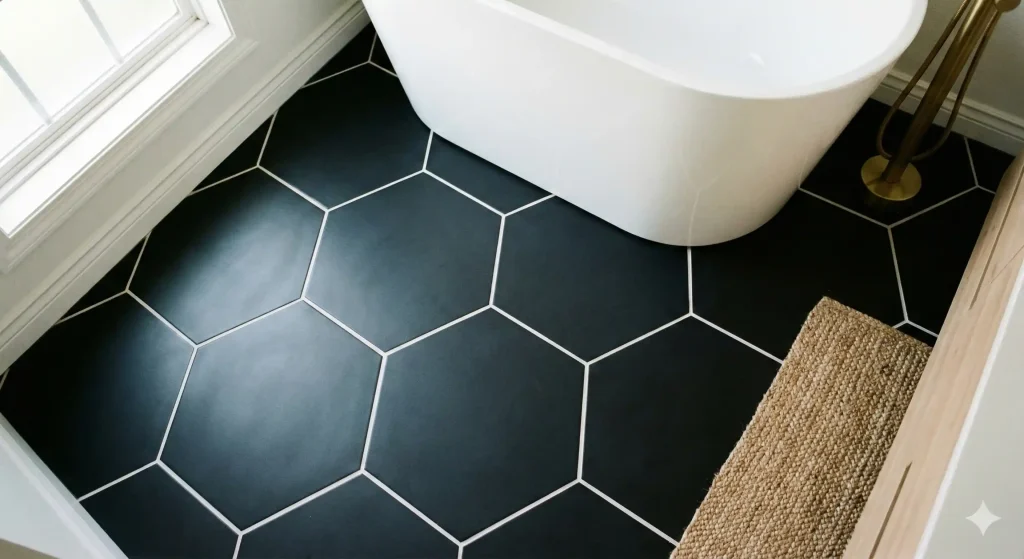
14. Oversized Penny Tile or Hexagon Patterns
Classic geometric patterns scaled larger than traditional mosaic versions offer timeless appeal with modern proportions. Oversized penny rounds (2-3 inches diameter) or large hexagons (4-6 inches) provide visual interest without the maintenance burden of tiny tiles – fewer grout lines mean easier cleaning and reduced mold accumulation.
These patterns work beautifully on floors or accent walls, adding texture without overwhelming compact spaces. White, black, or two-tone combinations suit various design aesthetics from farmhouse to contemporary. Installation costs less than traditional mosaic due to reduced labor time – a win for both budget and timeline.
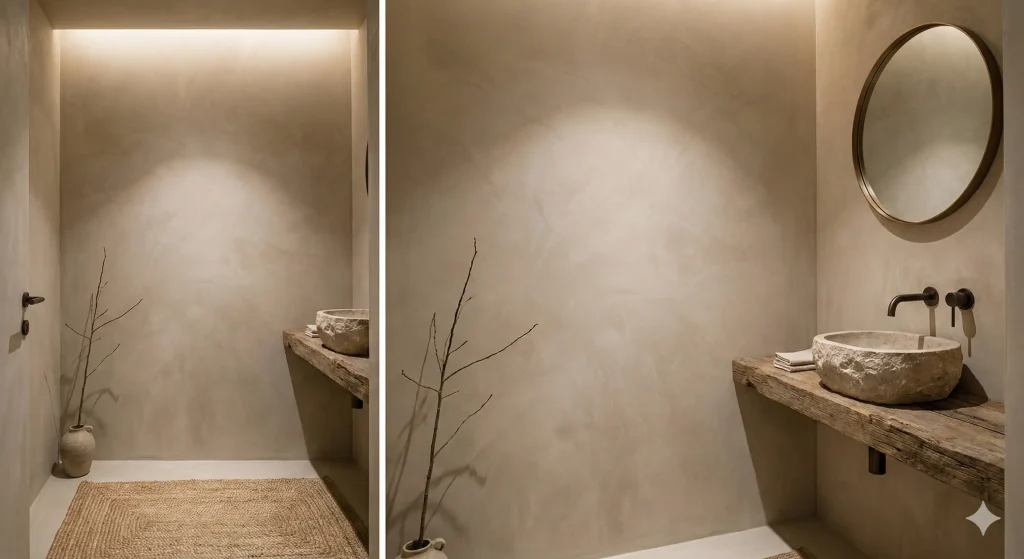
15. Plaster Walls and Microcement Finishes
Achieve European sophistication with smooth, grout-free surfaces using lime plaster or microcement. These troweled finishes create warm, organic texture without cold tile aesthetics while remaining fully waterproof in wet areas. The seamless application eliminates grout lines entirely – no periodic resealing, no mold accumulation between tiles, dramatically simplified maintenance.
Colors range from warm terracotta to cool gray, with subtle tonal variations adding depth impossible with flat paint. Application requires specialized skills – not a DIY project – but the distinctive finish sets your bathroom apart from typical tile installations. Particularly stunning in powder rooms where full waterproofing isn’t critical.
Implementation Priority Strategy
Start with high-impact, low-cost updates like fixtures and paint to test your design direction before committing to tile work or layout changes. This phased approach lets you live with color choices and finishes before permanent installation – reducing costly change orders while ensuring satisfaction with final results. DMV homeowners often tackle hardware swaps and lighting upgrades first, then schedule comprehensive tile work once they’re confident in their design vision.Combining Ideas for Maximum Impact
The most successful small bathroom remodels thoughtfully combine 3-5 complementary ideas rather than implementing every trend. Consider pairing floating walnut vanities (#4) with warm brass fixtures (#1) and sage green accent walls (#2) for cohesive warmth. Or unite large format tiles (#5), vertical stacking patterns (#6), and integrated LED lighting (#11) for sleek contemporary appeal. Regional considerations matter significantly in the DMV market. Montgomery County’s permit requirements affect timeline planning when adding electrical circuits for LED systems. Historic district regulations in Alexandria and Capitol Hill may limit exterior alterations but encourage interior creativity with bold wallpapers and unique fixtures. Fairfax County’s prevalence of basement bathrooms makes curbless showers (#12) particularly valuable for resale appeal and accessibility. Budget allocation should prioritize permanent structural elements over easily changeable details. Invest in quality waterproofing, proper ventilation, and durable tile installations first – hardware, paint colors, and accessories can evolve with trends without major renovation. This foundation-first approach protects your investment while maintaining flexibility for future updates as your tastes and household needs change over time.Return on Investment: Understanding Your Remodel’s Value
A well-executed bathroom remodel significantly increases your home’s market value and makes it more appealing to potential buyers. Understanding the financial implications helps justify your investment.71% Average ROI at Resale
6% Faster Sale Time
2-3 Weeks Average Project Timeline
According to the National Association of Realtors 2024 Remodeling Impact Report, bathroom remodels recoup 71% of cost at resale in the DMV market. Homes with updated bathrooms sell 6% faster than comparable properties. Luxury bathroom features can meaningfully increase appraisal value in Montgomery County specifically.
Beyond resale value, bathroom remodels improve daily quality of life. Homeowners report increased home satisfaction, reduced morning stress, and improved functionality that justifies the investment even without considering resale returns.
Choosing the Right Contractor for Your DMV Bathroom Remodel
Selecting qualified contractors makes the difference between a smooth renovation and a stressful experience. DMV homeowners should verify credentials and experience before signing contracts.Contractor Selection Guide
Red Flags to Avoid:
- Requests large upfront payment (more than 30% deposit)
- No written contract or detailed scope of work
- Cannot provide local references you can visit
- No insurance or licensing verification available
- Pressure tactics or “today only” special pricing
- Vague timeline without specific milestones
Green Flags to Seek:
- Licensed and insured (verify with state board)
- Three or more local references you can visit
- Detailed written estimate with line items
- Clear timeline with milestone dates
- Warranty on labor (minimum one year)
- Familiarity with local building codes and permit processes
- Transparent about potential challenges and contingencies
Maryland requires contractor licensing through the Home Improvement Commission. Virginia mandates Class A or Class B contractor licenses depending on project value. DC requires separate licensing through the Department of Consumer and Regulatory Affairs. Verify all credentials before signing contracts.