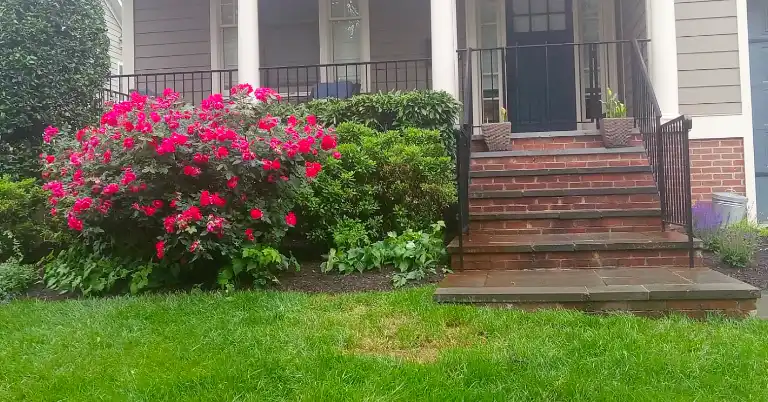


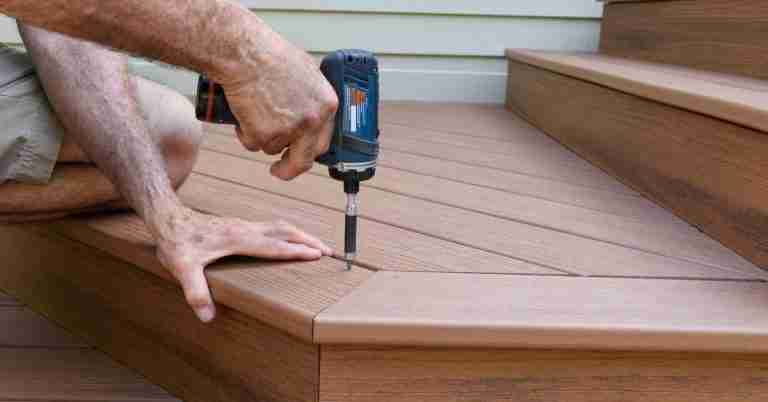
I walked onto a Potomac property last month to discuss a split-level deck where the homeowners had given up on their backyard. The slope was so steep that they couldn’t use half their lot. Their beautiful colonial sat on what should have been prime entertaining space, but the 25-degree grade made it impossible to place even a small patio table.
“We’ve been here eight years,” the wife told me, “and we still eat dinner inside because there’s nowhere to sit outside. Three contractors told us we’d need a $40,000 retaining wall just to get a flat space big enough for a grill.”
I could see why other contractors had walked away. The grade dropped four feet in the first twelve feet, then continued sloping toward the tree line. Most builders would see expensive earth moving and concrete work.
But I saw an opportunity to create something special.
Three months later, they were hosting their first backyard barbecue on a custom split-level deck that turned their unusable slope into the neighborhood’s best entertainment space. The upper deck held their dining table and grill just outside the kitchen door. Eight steps down, the lower level provided comfortable seating surrounded by mature trees.
“We use this space every single day now,” she told me at the project walkthrough. “I wish we’d done this years ago.”
What Makes Split-Level Decks Different
Most contractors see a sloped yard and recommend expensive retaining walls or massive grading projects. A split-level deck works with your slope instead of fighting it.
Two-tier design – The upper level connects to your main living areas, while the lower level sits closer to grade, creating natural zones for different activities.
Built-in privacy – The elevation change means your upper deck feels more secluded while the lower level connects you to your yard.
Cost efficiency – You use the natural grade instead of moving tons of dirt or building walls.
Here’s what I’ve learned after building dozens of these structures across Maryland and Northern Virginia: homeowners who choose split-level decks get more usable space for less money than any other slope solution.
Why Standard Deck Approaches Fail on Slopes
Most deck builders take the easy route – they build high to reach level ground. You end up with a deck that feels disconnected from your yard and requires railings so tall they block your view.
The problems multiply quickly:
- Excessive height means expensive structural requirements
- Safety concerns with children and pets
- Wind exposure that makes the space unusable
- Visual bulk that dominates your backyard
Split-level decks solve these issues by working with your natural grade instead of ignoring it.
The Three Essential Elements of Split-Level Design
Proper level spacing determines whether your deck feels balanced or awkward. I typically plan 18-30 inches between levels – enough separation to create distinct spaces without requiring railings between tiers.
Strategic stair placement connects your levels naturally. The stairs become part of the design, not an afterthought tacked onto the side.
Integrated landscaping zones around each level help the structure blend with your yard. The lower deck sits among plantings while the upper deck overlooks them.
When these elements work together, you get a deck that looks like it belongs on your slope instead of fighting against it.
Material Choices That Handle Elevation Changes
Not every decking material handles multi-level construction well. Here’s what works:
Composite decking performs consistently across elevation changes. It won’t warp or twist when spanning different heights, and the consistent color helps unify your levels visually.
Pressure-treated lumber remains the most cost-effective option. Modern treatment methods handle moisture variations between levels without the maintenance headaches of older products.
Cedar or redwood creates beautiful natural aging, but requires more maintenance attention on lower levels where moisture exposure increases.
The framing material matters more than the decking choice. I specify engineered lumber for the structural elements because it handles the complex angles and spans that split-level construction requires.
Planning Your Space Layout
Think about how you actually live outdoors. Most families need:
- Dining space on the upper level near the kitchen door
- Seating area on the lower level for conversation and relaxation
- Transition zones with built-in planters or benches
- Storage access from the most convenient level
The upper deck typically handles cooking and dining because of the proximity to the kitchen. The lower level becomes your outdoor living room – more intimate and connected to the landscape.
Don’t forget about furniture flow. Plan wider landings where levels connect so people can move comfortably between spaces even when furniture is arranged for entertaining.
Structural Requirements for Slope Building
Split-level decks require careful structural planning because each level experiences different load conditions.
Foundation depth varies with the slope. Lower footings may need deeper placement to reach solid soil, while upper footings work with the existing grade.
Beam sizing must account for longer spans where the deck bridges slope sections. I typically oversize the structural members slightly rather than build at the minimum code requirements.
Lateral bracing becomes critical when levels connect. The structure needs to resist both vertical loads and side-to-side movement from wind or use.
Your local building department will want to see engineered plans for most split-level designs. The engineering cost pays for itself in permit approval speed and structural confidence.
Cost Expectations and Value Analysis
Split-level decks cost 15-25% more than single-level construction because of the additional structural complexity. However, they typically cost 40-60% less than grading and retaining wall solutions that achieve similar usable space.
For a typical 600 square foot split-level deck in our service area:
- Design and permits: $3,500-$5,000
- Materials: $12,000-$18,000
- Labor: $8,000-$12,000
- Total project cost: $23,500-$35,000
Compare this to $45,000-$65,000 for equivalent grading and retaining wall work, and the value becomes clear.
The return on investment runs higher than single-level decks because you’re solving a significant property limitation. Homeowners consistently tell me their split-level deck was the improvement that finally made their backyard usable.
Timeline and Construction Sequence
Expect 6-8 weeks from permit approval to completion for most split-level projects:
Weeks 1-2: Site preparation and foundation work
Weeks 3-4: Framing and structural installation
Weeks 5-6: Decking and railing installation
Weeks 7-8: Finishing details and cleanup
Weather affectsthe timeline more than single-level construction because excavation and concrete work must be completed in suitable conditions. We typically recommend starting these projects in late spring or early fall when weather patterns are most predictable.
Maintenance Considerations for Multi-Level Decks
Each level of your deck will age differently based on sun exposure, drainage, and use patterns.
Upper levels face more UV exposure and temperature extremes. Plan for annual cleaning and periodic staining or sealing.
Lower levels deal with more moisture and debris accumulation. Good drainage design prevents most problems, but expect more frequent cleaning needs.
Connection points between levels require annual inspection. Look for any movement or looseness in the hardware that connects your deck sections.
The maintenance schedule isn’t dramatically different from single-level decks, but the access requirements change. Make sure your design includes safe access to all areas that will need periodic attention.
Local Considerations for Maryland, DC, and Virginia
Building codes vary between jurisdictions in our service area, but most require professional engineering for multi-level structures.
Maryland counties typically require setback modifications for decks over 30 inches in height. Split-level designs help minimize these requirements.
DC regulations focus heavily on stormwater management. Multi-level decks often improve drainage compared to single large structures.
Virginia counties generally allow more flexibility in design but require detailed structural plans for permit approval.
Homeowner association approval takes longer for split-level designs because they’re less common. Start the approval process early and provide clear renderings that show how the structure will look from neighboring properties.
When Split-Level Isn’t the Right Choice
Not every sloped yard benefits from split-level deck construction.
Extremely steep slopes (over 35% grade) may require retaining wall support regardless of deck design. The cost advantage disappears when extensive earth retention becomes necessary.
Limited-depth lots don’t provide enough space for level transitions to work naturally. The tiers end up feeling cramped instead of spacious.
Rock or unstable soil conditions make foundation work so expensive that grading becomes competitive again.
Minimal budget projects work better with simpler, single-level designs. The structural complexity of split-level construction doesn’t fit every financial situation.
I always evaluate these factors during initial site visits to recommend the approach that makes the most sense for your specific property and budget.
The Planning Process We Follow
Every split-level deck starts with understanding how you want to use your outdoor space. We spend time discussing your entertaining style, family activities, and long-term plans.
Site analysis includes measuring the slope, evaluating drainage patterns, and identifying any underground utilities or easements that might affect design.
Conceptual design shows you how the levels will work together and how the structure will look from inside your home.
Engineering and permits happen after you approve the concept. This ensures we’re designing exactly what you want before investing in technical drawings.
Material selection takes place during the engineering phase, so structural calculations reflect your actual choices.
The entire planning process typically takes 4-6 weeks, but it prevents the change orders and delays that happen when design decisions are made during construction.
Getting Started on Your Split-Level Deck
If you’re tired of looking at a backyard slope you can’t use, a split-level deck might be exactly what your property needs.
Our team has built split-level decks across Maryland, Northern Virginia, and Washington, DC. We understand the local requirements and have the structural expertise to design something that works with your property instead of fighting against it.
Schedule a consultation with Blue Collar Scholars to walk your property and discuss the possibilities. We’ll evaluate your slope, understand your goals, and explain how a split-level design could work for your specific situation.
The consultation takes about an hour and gives you a clear picture of what’s possible, what it will cost, and how long the project will take.
Call us today to start planning your split-level deck solution.