

Walk down any street in Bethesda or McLean and you’ll notice how front porches define each home’s character. Some houses have grand wraparound designs with rocking chairs and ceiling fans. Others feature compact covered entries just large enough to shield the door from rain.
The porch type that works depends on your home’s architecture, how much space you have, and whether you want a place to sit or just weather protection. Colonial homes in Alexandria look right with columned full-width porches. Ranch properties in Rockville work better with low-profile stoops that don’t interrupt the horizontal roofline. Tudor homes in Chevy Chase need timber posts and stone details that match the exterior.
Your front porch becomes the first thing visitors see and the last thing you pass through when leaving, so getting it right matters for both function and appearance.
Full-Width Front Porches
Full-width porches in Potomac run the entire length of the house front. These porches typically measure 8-12 feet deep and span 30-50 feet wide, depending on home size. We build them with roof structures that match the main house pitch, columns or posts spaced 8-10 feet apart, and railings around the perimeter. The depth accommodates furniture – rocking chairs, benches, or small tables. You get covered outdoor space that works for morning coffee, package deliveries, and evening sitting.
Colonial homes in Alexandria pair naturally with full-width porches. The columns echo classical architecture, the roof extends from the main structure, and the proportions balance the facade. We paint columns and railings to match trim, install tongue-and-groove ceiling boards, and slope the floor 1/4 inch per foot for drainage. The porch becomes the home’s focal point and primary architectural feature.
Covered Stoop Porches
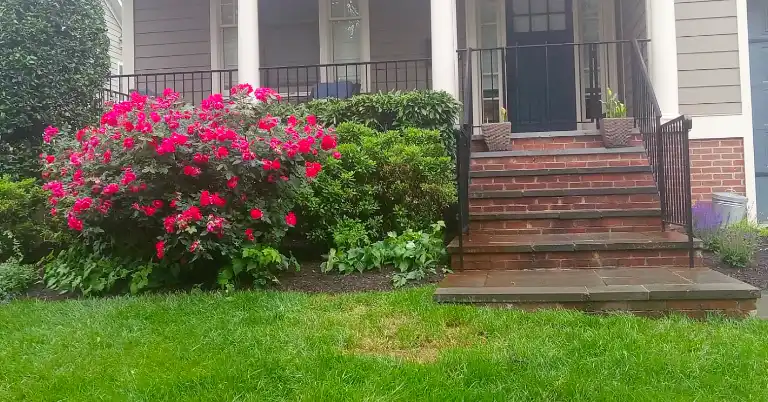
Stoop porches in Fairfax Station protect the front door without extending across the entire facade. These compact porches measure 6-8 feet wide and 4-6 feet deep. We frame a small roof supported by two posts or columns, add steps if the door sits above grade, and sometimes include side railings. The structure keeps rain and snow off the entry while you unlock the door. You get weather protection and a defined entry point without the cost or footprint of a full porch.
Townhouses in Arlington benefit from stoop porches because yard space is limited. We build them to code-required dimensions, match materials to the home’s exterior, and position lighting for nighttime visibility. The stoop sits on a concrete foundation with proper drainage away from the house. Small as they are, these porches improve function and add value by creating a proper entry sequence.
Wrap-Around Porches
Wrap-around porches in Great Falls extend along the front and continue around one or both sides of the house. These porches typically run 6-10 feet deep and wrap 40-80 linear feet depending on the home. We frame them with posts at consistent spacing, extend rooflines to cover the entire span, and install railings where code requires. The design creates multiple outdoor rooms – one area for sitting, another for dining, a third that catches morning or evening sun. You get extensive covered outdoor space that works throughout the day as sun patterns shift.
Victorian and Farmhouse styles in Loudoun County traditionally include wrap-around porches. We build them with wood or composite decking, match column styles to the home’s period, and run utilities for lighting and ceiling fans to multiple zones. Corner posts anchor the structure and create natural transition points between porch sections.
Screened Front Porches
Screened front porches in Gaithersburg combine the visibility of a front porch with bug protection. We frame these porches like standard covered porches but add aluminum screen panels between posts. The screens run from the floor to the roof, with screen doors providing access. You get a three-season room at the front of your house that functions for sitting, reading, or working without insects.
Split-level homes in Silver Spring sometimes convert existing front porches to screened versions. We add screen frames to existing posts, install screen doors at entry points, and seal gaps where bugs might enter. When it works, you gain usable space that stays comfortable from April through October.
Portico Style Entries
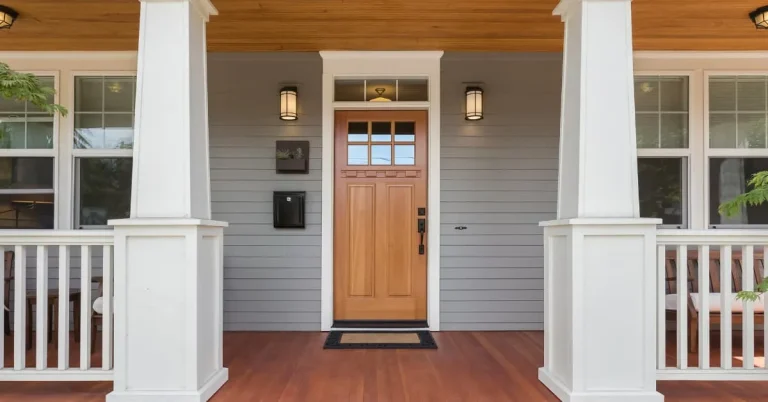
Porticos in Bethesda create formal entries with columned roofs that project from the facade. These structures typically measure 8-12 feet wide and 6-8 feet deep. We build them with substantial columns, pediment roof details, and sometimes curved or arched elements. The portico frames the front door and creates a distinct architectural statement. You get a grand entrance that elevates the home’s street presence while providing functional weather protection.
Federal and Georgian style homes in Annapolis work well with porticos. We size columns to support roof loads properly, match materials and colors to existing trim, and ensure the structure integrates with the facade rather than appearing added on. Porticos work on homes where a full porch would overwhelm the design but a simple stoop lacks visual impact.
Raised Porches With Steps
Raised porches in Rockville sit 2-6 feet above grade, requiring stairs for access. We build these when the main floor elevation sits well above ground level or when the home sits on a slope. The porch structure includes foundation posts or piers, deck framing to create the floor platform, and stairs with railings meeting code. The elevation provides better views, improves drainage away from the foundation, and creates a defined entry sequence.
Cape Cod homes in Columbia often have raised front porches because these homes typically include living space above a partial basement. We build stairs with 7-inch risers and 11-inch treads for comfortable climbing, install railings at 36-42 inches high, and add lighting at tread height for safety. The raised platform creates an outdoor room with perspectives different from ground level.
Ground-Level Slab Porches
Ground-level porches in Vienna sit on concrete slabs poured at grade. These porches work for Ranch and Contemporary homes where the main floor sits close to ground level. We excavate, install gravel base, pour a reinforced concrete slab sloped for drainage, and build the roof structure with posts anchored to the slab. No steps are required, making entry accessible. You get a maintenance-friendly porch floor that won’t rot and requires minimal upkeep.
Ranch homes in Falls Church benefit from ground-level porches because the architecture emphasizes horizontal lines and connection to the landscape. We extend the roofline at a shallow pitch, use simple post designs, and keep railings minimal where code allows. Concrete can be stamped, stained, or overlaid to match other hardscape elements.
Gable and Hip Roof Styles
Gable front porches in Chevy Chase feature triangular roof ends facing the street. The gable creates a focal point at the entry and provides extra headroom at the center. Craftsman and Cottage style homes in Takoma Park traditionally use gable front porches. We add knee braces between posts and beams, use exposed rafter tails for period detail, and sometimes include decorative bargeboards in the gable.
Hip roof porches in McLean slope on all four sides rather than having gable ends. The roof shape creates clean lines and works with various architectural styles. Prairie and Four-Square style homes in Kensington often feature hip roof porches. We use wide overhangs for weather protection, substantial but simple posts, and clean railing designs. The hip roof sheds water efficiently and resists wind better than some gable designs.
Materials That Determine Longevity
Front porches in Potomac built with composite decking require no annual maintenance. The material resists moisture, won’t splinter, and maintains color for decades. Pressure-treated lumber costs less upfront but needs sealing every 2-3 years. Cedar resists rot naturally and ages to silver-gray without finish. The material choice affects long-term maintenance requirements and initial budget.
Column materials in Arlington range from wood to fiberglass to aluminum. Wood columns can be painted or stained and carved with details, but require periodic maintenance. Fiberglass columns resist rot completely and come pre-primed for painting. Aluminum columns need zero maintenance but offer fewer design options. We match column material to the porch’s exposure.
Railing Styles and Code Requirements
Front porch railings in Fairfax must meet building codes for height and spacing. We build railings 36-42 inches high depending on porch elevation and local requirements. Balusters space no more than 4 inches apart to prevent children from slipping through. You get railings that pass inspection while matching your home’s style.
Railing materials in Bethesda include wood, vinyl, composite, aluminum, and cable systems. Wood railings can be detailed with custom designs but need maintenance. Cable railings create open views but require tensioning and installation. We match railing style to the home’s architecture – traditional homes get classic balusters, modern builds work with cable or metal.
Lighting and Electrical Features
Front porch lighting in McLean serves both function and aesthetics. We install ceiling fixtures for general illumination, wall sconces flanking the front door, and sometimes recessed cans in the ceiling. The lighting plan puts switches inside the entry door and includes options for dimming. Motion sensors add security and convenience. You get properly lit entry areas that work for finding keys, greeting guests, and reading house numbers from the street.
Post cap lights in Rockville mark porch corners and column locations. We wire them during construction so no surface conduit shows. LED bulbs last years and minimize energy use. The lighting makes the porch usable after dark and highlights architectural details.
Cost Factors and Investment
The biggest cost factors are the materials and design complexity. A simple covered stoop is a much smaller investment than a full-width porch. Screened porches increase in price due to the added screens. Raised porches require more foundation work than ground-level slabs. The material you use affects the final number as well.
Budget planning should account for the full scope: permits, foundation work, structural framing, roofing, railings, decking, electrical, and finish details. We estimate complete costs upfront so there are no surprises. Finalizing the design before construction starts keeps the project on budget and on schedule.
Working With Blue Collar Scholars
We visit your property, look at the front of the house, and talk through how you want to use the space. You share your style preferences and priorities, we propose designs that match your home’s architecture, and we refine the plan until it works. From there we handle permits, materials, and scheduling. Most front porch projects finish in 3-6 weeks.
The right porch depends on your home’s style, entry elevation, and available space. We build to match architectural details, meet code, and hold up for decades. Schedule a consultation to discuss styles, materials, and layouts that work for your home.