

What devalues a house the most is usually not outdated finishes. It is the problems buyers believe will cost them money after closing. In Maryland, DC, and Northern Virginia, that usually means water damage, foundation cracks, basement moisture, old HVAC, electrical or plumbing systems, unpermitted work, pest damage, and hidden hazards in older homes.
While cosmetic issues matter, risk factors matters more. A dated kitchen may lower buyer excitement, but a musty basement, ceiling stain, or crack in the foundation makes buyers wonder what else is wrong. That question is what really lowers the value of your home.
TL;DR: What Devalues a House the Most?
The biggest things that devalue a house are issues that make buyers worry about repairs, safety, moisture, or resale problems.
In the DMV, the most common factors include:
- Water damage and basement moisture
- Foundation cracks or structural movement
- Mold, musty smells, or hidden moisture
- Roof leaks and old major systems
- Unpermitted electrical, plumbing, basement, or addition work
- Pest damage, wood rot, and deferred maintenance
- Older home hazards like lead paint, asbestos, buried oil tanks, or outdated panels
Style affects how much buyers like a house. Risk factors affects how much they are willing to pay.
Buyer Risk Hurts Value More Than Style
Most homeowners worry about the wrong things before selling their home. They focus on paint colors, light fixtures, or whether the kitchen looks modern enough.
Those things do matter, but they usually do not scare buyers the way repair risk does. A buyer can repaint a bedroom. They cannot ignore signs of water intrusion, foundation movement, unsafe wiring, or a basement that smells damp.
Once doubt sets in, buyer hesitations compound quickly. They start adding up perceived issues, then justify lowering their offer, asking for credits, requesting repairs, or walking away entirely. The goal is not to make the house perfect. The goal is to remove the red flags that make buyers hesitate.
Water Damage Buyers Notice First
Water damage lowers home value fast because buyers assume the visible stain is only part of the problem. A brown ceiling mark, bubbling paint, or swollen baseboard can make them worry about roof leaks, plumbing issues, mold, or hidden damage behind the wall.
Common warning signs include:
- Brown or yellow stains on ceilings, walls, or near windows
- Bubbling paint, peeling paint, or soft drywall
- Warped flooring, swollen trim, or baseboards pulling away
- Musty smells in basements, closets, or lower levels
- Moisture marks or damp spots near basement walls
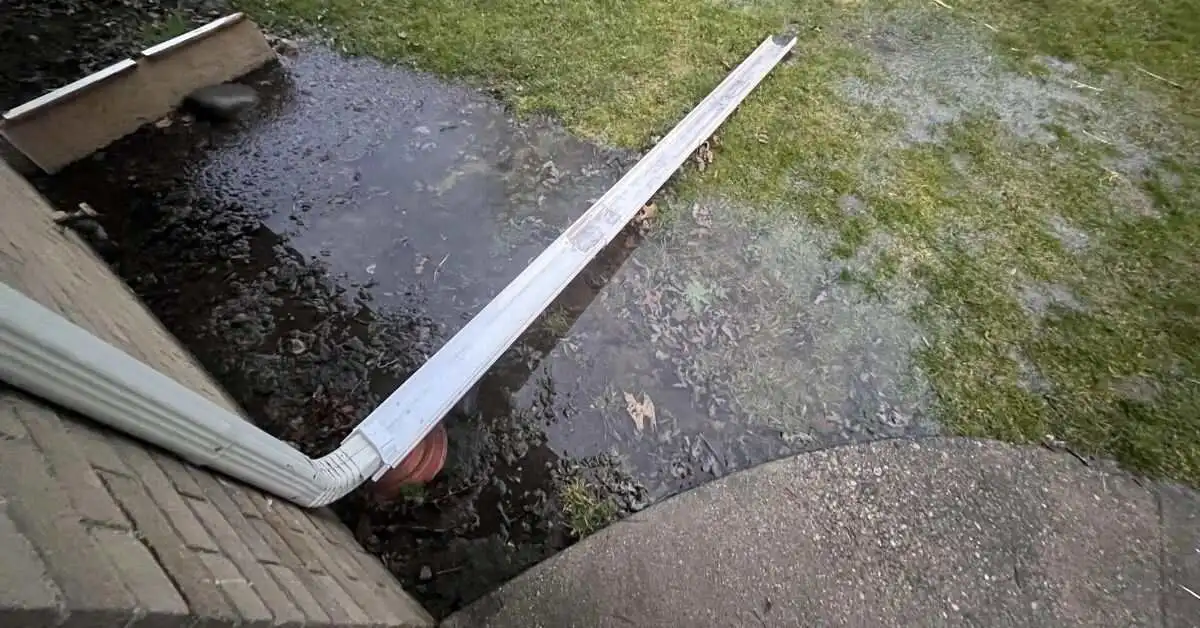
In the DMV, water issues show up often because heavy storms, clay-heavy soil, and poor grading can push moisture toward the home. If water is moving toward the foundation, professional yard drainage solutions should come before cosmetic repairs because unresolved moisture can lower home value fast.
As painting over a stain without fixing the source is one of the worst things you can do. Buyers and inspectors usually notice, and it makes the house feel less trustworthy.
Foundation Cracks and Structural Concerns
Foundation concerns devalue a house because they sound expensive, even when the issue is not severe. Not every crack is a major structural problem, but visible movement makes buyers assume the worst.
Red flags include:
- Wide or stair-step cracks in masonry
- Bowing or pushed-in basement walls
- Sloping floors that feel uneven
- Door and window gaps that suggest movement
- Cracks that keep growing or reopening after repairs
In Maryland, DC, and Northern Virginia, soil movement, drainage problems, and freeze-thaw cycles can all stress foundations over time. A small, stable crack may not hurt much, but active movement can become a major buyer objection.
Mold, Musty Smells, and Basement Moisture
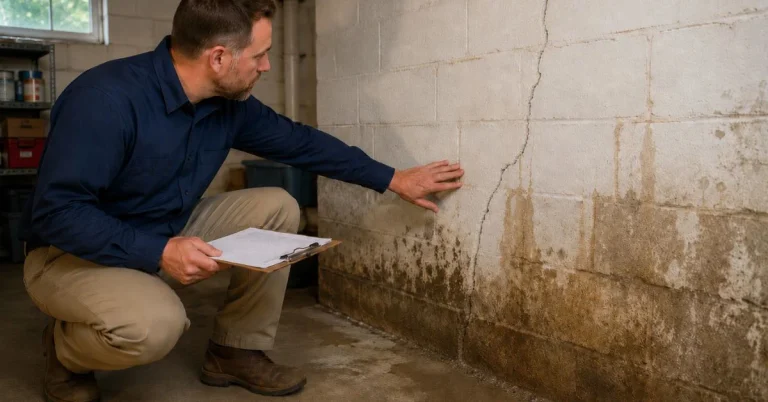
A musty basement can hurt a home value before the buyer even sees the source. In the DMV, basements are already a sensitive area because many homes have older waterproofing, dense clay soil, and moisture pressure around the foundation.
Warning signs include:
- Musty air that does not fade after cleaning
- White powder or dark staining on basement walls
- Damp carpet, soft flooring, or rust on metal fixtures
- A dehumidifier that runs constantly but never fully solves the issue
Buyers do not always know whether the problem is minor humidity or serious water intrusion. That uncertainty is what lowers a home’s value. Before finishing, refreshing, or remodeling a basement, basement waterproofing services should come first.
Smells That Lower Home Value
Bad odors can devalue a house because buyers may forget small cosmetic details, but they usually remember what a house smelled like. Smells can hurt a home showing by making people think the home was not maintained, even if the structure is solid.
Common odors that quietly lower offers include:
- Pet odors in carpet, baseboards, or HVAC ducts
- Cigarette smoke embedded in walls and cabinets
- Musty or mildew smells in basements or closets
- Heavy air freshener, which buyers read as a cover-up
If a buyer walks in and covers their nose, asks to step outside, or cuts the showing short, the smell is doing real damage to your offer. The solution is to air out the house, deep clean, replace carpet padding, and fix the moisture source. That does more for buyer confidence than another cosmetic upgrade.
How Roof Damage Impacts Home Value
Roof damage can lower home value because it makes buyers worry about leaks, repair costs, insurance issues, and future maintenance. Even if the rest of the house looks updated, a damaged roof can make buyers question how well the home has been cared for.
The biggest roof problems that devalue a house include active leaks, ceiling stains, sagging, missing shingles, heavy moss, and a roof near the end of its lifespan. Buyers may ask for repair credits, lower their offer, or walk away if they think a roof replacement is coming soon.
Roof issues can also create appraisal, loan, and insurance problems. If the roof has very little life left or has visible structural damage, lenders or insurance companies may flag it, which can slow down the sale or make the deal harder to close.
Old HVAC, Electrical, and Plumbing Systems
Old systems devalue a house because buyers know replacement costs can add up quickly. A home can look clean and updated, but still feel risky if the furnace, electrical panel, or plumbing looks neglected.
Common concerns include:
- Old HVAC with weak airflow or uneven heating and cooling
- Outdated electrical panels or flickering lights
- Corroded pipes, slow drains, or low water pressure
- Leaks under sinks or poor bathroom ventilation
Buyers do not expect every system to be new. They expect the major systems to be safe, functional, and recently serviced. If a system is old but working, records matter. A maintained 15-year-old system feels very different from one nobody has checked in years.
Older Home Hazards That Lower Resale Value
Older homes in Bethesda, Silver Spring, Takoma Park, Capitol Hill, Chevy Chase, Northwest DC, and Old Town Alexandria can come with inspection concerns that lower resale value. These issues are not always deal breakers, but they can make buyers pause, ask for documentation, or request credits.
Common hidden hazards include:
- Lead paint in homes built before 1978, especially around windows and trim
- Asbestos in old floor tile, pipe insulation, siding, or popcorn ceilings
- Knob-and-tube wiring still active behind the walls
- Polybutylene pipes in homes built from the late 1970s through the mid-1990s
- Buried oil tanks in older properties, which can create environmental concerns
Buyers are usually less concerned when these issues were handled properly and more concerned when they appear as surprises during inspection.
Clean records, permits, and proof of past remediation can help protect home value. Hidden problems with no documentation usually do the opposite.
Unpermitted Work That Scares Off Buyers
Unpermitted work can devalue a house because buyers cannot tell what was done behind the walls or whether the work was inspected. This can lower home value quickly, especially when the project involves electrical, plumbing, basement finishing, additions, structural changes, decks, or major remodeling.
Unpermitted work creates questions like:
- Was the work inspected and approved?
- Does the finished basement legally count as living space?
- Could this create insurance or appraisal issues later?
- Will the next owner have to pay to fix it?
- Do I have to pay for the demolition and repair?
In the DMV, buyers and agents often look closely at permit history because unpermitted work can hurt resale value, reduce buyer confidence, and make the home feel riskier than comparable properties.
If you are remodeling now, it is better to do the work cleanly than leave the next owner guessing. Clear permits, records, and inspections help protect home value and make it easier for buyers to trust the work when it is time to sell.
Upgrades and Layouts Buyers See as Problems
Some upgrades feel like improvements to the current owner but look like problems to the next buyer. If a project makes the house less useful, harder to sell, or expensive to undo, it can devalue a house and lower buyer confidence.
Common examples include:
- Carpeting over original hardwood, especially in older DMV homes
- Turning a legal bedroom into a walk-in closet, office, or gym
- Removing useful storage or changing a practical layout
- Pass-through bedrooms or rooms with no privacy
- Bold tile, themed rooms, or highly personal finishes
- Fresh paint over water stains without fixing the source
The best upgrades improve function, safety, and everyday livability. The risky ones make the house fit one person’s lifestyle too closely, which can lower home value when buyers start thinking about what they would need to change.
Experienced home remodeling contractors in Maryland, DC, and Virginia can help you think through resale impact before you spend the money. A good remodel should make the home better for you now without making it harder to sell later.
Pest Damage, Wood Rot, and Deferred Maintenance
Pest damage and deferred maintenance lowers a home’s value because they send the same message: the house has not been cared for. Buyers assume the visible problems are only the beginning.
Signs to watch out for:
- Soft or hollow wood around trim, framing, decks, or doors
- Small holes, sawdust, or signs of insect activity
- Rot around windows, fascia, porch areas, or exterior trim
- Peeling paint, damaged trim, or unfinished repairs
- Loose handrails, broken steps, or unsafe walkways
- Dirty gutters or downspouts dumping water near the foundation
- Overgrown vegetation touching siding or foundation walls
Many of these fixes are not complicated. They just need to be handled before buyers start adding up repair credits in their head.
What You Don’t Need to Fix Before Selling
Not every flaw is worth fixing before selling. Some issues bother homeowners more than buyers, especially when they are easy to change or already reflected in the price.
You may not need to spend money on:
- Hairline drywall cracks that show up seasonally
- Dated paint colors buyers can easily change
- Older but functional appliances
- Light scratches in hardwood floors
- Brass fixtures or oak cabinets in a home priced for its condition
- Light fixtures that buyers can replace cheaply
The mistake is over-renovating before selling. A new buyer may want to make their own choices, and money spent on cosmetic guesses does not always come back at closing. Fix the risky problems first. Then worry about the style.
What to Fix First Before Selling in the DMV
Before spending money on cosmetic upgrades, fix these issues that make buyers question the condition of the house.
Prioritize each fix in this order:
- Active water problems, basement moisture, or mold concerns
- Foundation cracks, structural movement, or sloping floors
- Roof leaks and exterior safety issues
- Electrical, plumbing, HVAC, or ventilation problems
- Pest damage, unpermitted work, and obvious deferred maintenance
Once these problems are handled, you can focus on home upgrades that increase value in the DMV instead of guessing which projects buyers will care about. A house does not need to be perfect. It needs to feel solid, safe, dry, maintained, and honest.
How Blue Collar Scholars Can Help
By now, you can probably see the pattern. The things that devalue a house the most are not always the cosmetic flaws. They are the issues that make buyers question safety, maintenance, repairs, and long-term cost.
That is where a contractor’s eye helps. Blue Collar Scholars works with homeowners across Maryland, DC, and Northern Virginia to spot the problems that make houses harder to sell and harder for buyers to trust. That includes drainage issues, basement moisture, structural warning signs, exterior repairs, remodeling concerns, and past work that needs to be corrected.
Not sure what is actually hurting your home’s value? Schedule a free consultation. We will walk the property, explain what matters, and help you decide which projects are worth doing now, which can wait, and which ones you can skip.
Frequently Asked Questions
What devalues a house the most?
The biggest factors that devalue a home come from problems buyers can’t easily fix such as foundation issues, roof damage, outdated systems, and major deferred maintenance. Beyond that, unpermitted additions and overly personalized remodels also hurt value, since buyers either have to undo the work or deal with legal and insurance headaches down the road. On top of all that, location factors matter too, including high crime, heavy noise, or proximity to industrial sites.
What lowers home value during an inspection?
A home inspection doesn’t determine your home’s value directly, but the issues it uncovers can push buyers to walk away or negotiate hard on price. The biggest red flags include foundation problems, outdated electrical or plumbing systems, roof damage, failing HVAC, and any sign of water damage or mold. These are expensive to fix and often signal deeper neglect, which gives buyers leverage to lower their offer.
Can unpermitted work hurt resale value?
Yes, unpermitted work can hurt resale value because buyers, appraisers, lenders, and inspectors may not treat the work as legitimate, especially when unpermitted work is illegal in DC and many other jurisdictions. Appraisers may give little to no value to unpermitted square footage, which can create appraisal gaps and make buyer financing harder to approve. If the work does not meet code, local governments may also require corrections, inspections, demolition, or repairs before the home can move forward cleanly.
Do foundation cracks always lower home value?
No, foundation cracks don’t always lower home value. Small hairline cracks from normal settling are usually cosmetic and won’t scare off buyers, especially if the repair has been professionally done and comes with a transferable warranty. The cracks that devalue a home are horizontal ones, anything wider than a quarter inch, or cracks paired with sticking doors and sloping floors, since those point to active structural problems.
What is the cheapest fix with the biggest impact on home value?
Deep cleaning, decluttering, removing odors, and fixing small visible maintenance issues often have the biggest impact for the lowest cost. A clean, dry, well-maintained house feels safer to buyers than a house with cosmetic upgrades covering unresolved problems.