

Stop settling for someone else’s vision of home.
When I walk through neighborhoods in Bethesda, McLean, and Great Falls, I see the same pattern everywhere. Beautiful houses, yes. But how many truly reflect the people living inside them? How many were designed around a family’s actual needs instead of a developer’s profit margins?
After years of helping homeowners across Maryland, Northern Virginia, and DC create spaces that actually work for their lives, I’ve learned something important: the difference between a house and a home isn’t square footage or price per square foot. Its intention.
Building a custom home means starting with your family’s story – how you cook, how you entertain, how you work, how you relax – and creating walls, rooms, and spaces around those realities. No compromising on awkward layouts. No working around someone else’s choices. Just a home that fits your life like it was made for you.
Because it was.
What Makes a Home Truly Custom
Real custom homes start with a blank slate – your lot, your vision, your priorities driving every decision. This isn’t about picking finishes from a limited palette or choosing between three floor plans. Custom means the architect draws lines based on how your family moves through space, where you need natural light, and which rooms matter most to your daily routines.
Land selection shapes everything. In Montgomery County, a sloping lot in Potomac creates different opportunities than a flat parcel in Chevy Chase. Northern Virginia’s wooded lots in Great Falls demand different approaches than the urban infill sites in Arlington. Your architect needs to see what the land offers – views, natural features, drainage patterns, setback requirements – and design around those gifts and constraints.
Architectural design becomes your family’s blueprint. This goes deeper than curb appeal. How do you want to move from your kitchen to your outdoor entertaining space? Do you need a quiet home office separated from family noise? Should your master suite be a retreat or integrated with family areas? These lifestyle questions determine room placement, traffic flow, and where windows go.
Systems integration happens from day one. Custom homes let you plan electrical, plumbing, and HVAC around your actual needs. Home theaters get proper soundproofing and electrical rough-in. Home offices get dedicated circuits for multiple monitors and equipment. Wine cellars get proper climate control systems. Everything gets planned, not retrofitted.
The result? A home where every square foot serves a purpose. Where storage exists, where you need it. Where natural light falls where you spend time. Where the flow between spaces supports how you actually live.
The Complete Custom Home Process
Building custom requires a different mindset than buying existing. You’re not shopping – you’re creating. The process unfolds in distinct phases, each building on the last.
Phase 1: Land Acquisition and Site Analysis
Finding the right lot takes patience. In established neighborhoods like Bethesda and McLean, buildable lots are rare. When they surface, they move quickly. You need to evaluate more than location and price. Soil conditions affect foundation costs. Topography influences design options. Existing trees and natural features can become focal points or constraints.
Zoning and setback requirements determine your building envelope – the three-dimensional space where your house can legally sit. Historic districts add another layer of requirements. Some neighborhoods have architectural review boards with specific design standards. Understanding these constraints upfront prevents costly changes later.
Phase 2: Design Development
This is where your lifestyle becomes architecture. Good architects ask hard questions. How do you cook – alone or with help? Do you work from home regularly or occasionally? How often do you entertain, and what does that look like? Do you have collections, hobbies, or activities that need dedicated space?
The design process typically involves several iterations. Schematic design establishes the big ideas – room relationships, overall style, key features. Design development adds detail – exact room sizes, built-in features, material selections. Construction documents specify everything down to hardware and paint colors.
Phase 3: Permitting and Approvals
Every jurisdiction has different requirements. Montgomery County’s permit process differs from Fairfax County’s. Some neighborhoods require architectural review board approval before you can submit for building permits. This phase often takes 2-4 months, depending on project complexity and local workload.
Smart builders use this time for final material selections and ordering long-lead items. Custom millwork, specialty fixtures, and high-end appliances often have extended delivery times. Ordering early prevents delays later.
Phase 4: Construction
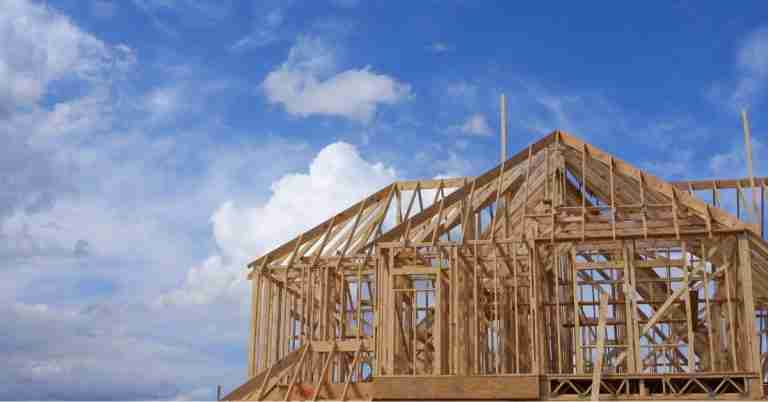
This is where planning meets reality. Good custom builders sequence trades carefully to maintain quality and momentum. Foundation work must be perfect – everything else builds on it. Framing establishes room sizes and ceiling heights exactly as designed. Rough-in work for electrical, plumbing, and HVAC gets inspected before walls close up.
Custom homes require more coordination than production building. Every detail gets attention. Trim work gets measured and cut for each opening. Tile layouts get planned to avoid awkward cuts in visible areas. Paint colors get tested in actual lighting conditions before final application.
Phase 5: Final Details and Walk-Through
The last 10% of construction often takes as long as the middle 50%. Custom millwork gets installed and finished. Hardware gets adjusted. Light fixtures get aimed. Landscaping gets completed. Every system gets tested and demonstrated.
Your final walk-through should be thorough. Test every switch, faucet, and door. Check that built-ins fit as designed. Verify that finishes match your selections. A good builder addresses every item before you take possession.
Design Considerations for DMV Custom Homes
Building in Maryland, Virginia, and DC means working with specific conditions and opportunities that don’t exist elsewhere.
Climate and Seasonal Considerations
Mid-Atlantic weather demands thoughtful design. Summer humidity makes proper HVAC sizing critical. Winter freeze-thaw cycles affect foundation and hardscape design. Spring and fall offer ideal building weather, which affects construction scheduling.
Covered outdoor spaces extend your usable months. A screened porch lets you enjoy spring and fall evenings without insects. Covered patios provide summer shade and winter protection for outdoor furniture. Three-season rooms can be heated for extended use.
Regional Architecture and Neighborhood Context
Different areas have distinct architectural character. Bethesda’s established neighborhoods feature Colonial and Tudor styles from the 1920s-1940s. McLean shows more variety, from mid-century modern to contemporary traditional. Great Falls allows larger homes with more architectural freedom due to larger lots.
Your custom home should complement its setting while expressing your preferences. This doesn’t mean copying existing styles exactly, but respecting scale, materials, and proportions that fit the neighborhood character.
Local Building Codes and Restrictions
Maryland, Virginia, and DC each have different building codes. Some jurisdictions require fire suppression systems in homes over certain sizes. Energy codes affect insulation, windows, and HVAC requirements. Historic districts add another layer of requirements for exterior materials and details.
Working with experienced local professionals prevents surprises. They know which inspectors focus on which details. They understand how local codes get interpreted. They have relationships with suppliers who stock materials that meet local requirements.
Budgeting for Your Custom Home
Custom home costs vary widely based on size, finishes, and site conditions. Understanding cost factors helps you make informed decisions during design.
Cost Factors and Variables
Site preparation costs depend on your lot. Flat, cleared lots cost less to prepare than sloping, wooded sites. Rock excavation costs more than soil. Septic systems cost more than public sewer connections. Long driveways and utilities add expense.
Foundation costs reflect your design. Full basements cost more than crawl spaces. Walkout basements on sloping lots cost more than full basements. Complex footprints with multiple corners and jogs cost more than simple rectangles.
Structural systems affect both cost and design options. Timber framing allows larger open spaces but costs more than conventional framing. Steel beams enable dramatic cantilevers and spans. Concrete construction provides thermal mass and durability but requires specialized contractors.
Finish levels drive final costs. The difference between good and exceptional finishes can double construction costs. Custom millwork costs more than stock trim. Natural stone costs more than manufactured alternatives. Hand-forged hardware costs more than production pieces.
Realistic Budget Planning
Start with your total available budget, then work backward. Reserve 10-15% for unexpected costs – every custom home has surprises. Allocate funds for land, design, construction, landscaping, and furnishing. Include temporary housing costs if you need to move during construction.
Per-square-foot costs can be misleading for custom homes. A 3,000-square-foot home with high-end finishes might cost more per square foot than a 6,000-square-foot home with standard finishes. Complex designs with many angles and details cost more than simple rectangles. Focus on total project cost, not per-square-foot comparisons.
Value engineering helps control costs without compromising vision. This means finding ways to achieve your goals for less money. Maybe a partial stone facade creates the same visual impact as full stone cladding. Perhaps eliminating one bathroom creates space for a larger master closet that matters more to your daily life.
Choosing Your Custom Home Team
Success depends on assembling the right professionals. Each brings different skills and perspectives to your project.
Architect vs. Designer vs. Design-Build
Architects bring formal training in building design, structural systems, and code compliance. They typically handle complex designs, unusual sites, or projects requiring creative problem-solving. Expect to pay more for architectural services, but receive more detailed construction documents and design oversight.
Designers often specialize in specific project types or styles. Kitchen designers understand appliance requirements, storage needs, and workflow patterns. Interior designers coordinate finishes, furnishings, and decorative elements. Some residential designers can produce construction documents for simpler projects.
Design-build firms combine design and construction under one contract. This can streamline communication and scheduling. However, you lose the checks and balances that come from separate design and construction contracts. Choose design-build firms with strong design capabilities, not just builders who added design services.
Builder Selection Criteria
Look for builders with experience in your project type and price range. Production builders excel at efficiency and cost control. Custom builders understand complex details and client communication. Remodeling specialists know how to work around existing conditions.
Check recent projects similar to yours. A builder who specializes in additions might not be the best choice for a custom home. Ask to see projects under construction, not just finished photos. Talk to recent clients about communication, problem-solving, and final satisfaction.
Verify credentials and references thoroughly. Confirm licensing and insurance coverage. Check Better Business Bureau ratings and online reviews. Most importantly, call references and ask specific questions about communication, schedule adherence, and problem resolution.
Custom Homes vs. Renovation: Making the Right Choice
Many families wrestle with this decision: renovate your current home or start fresh with custom construction.
When Custom Building Makes Sense
Your current home can’t accommodate your needs. Some limitations can’t be fixed with renovation. If you need significantly more space and your lot won’t support a large addition, custom building might be your only option. If your home’s structure or layout creates insurmountable challenges, starting over can be more cost-effective than extensive renovation.
Your current neighborhood doesn’t fit your lifestyle. Maybe you’ve outgrown a suburban location and want rural privacy. Perhaps urban convenience matters more than backyard space. Custom building lets you choose location along with house design.
You want everything designed around your preferences. Renovation means working with existing room sizes, window locations, and structural constraints. Custom building means every detail gets chosen specifically for your family’s needs and preferences.
When Major Renovation Might Be Better
You love your location and neighborhood. Established neighborhoods offer mature landscaping, good schools, and neighborhood character that new developments can’t replicate. If your house needs work but your location is perfect, renovation might serve you better.
Your home has good bones and layout. Some houses just need updating, not fundamental changes. If your room sizes work and your flow makes sense, cosmetic and system updates might give you everything you need for much less than building new.
Time and temporary housing are concerns. Major renovations can often be phased to let you stay in your home during construction. Custom building usually requires temporary housing for 8-12 months.
Working with Blue Collar Scholars for Custom Projects
Blue Collar Scholars specializes on ground-up custom homes, complete home additions, and major renovations. Our custom-first approach applies to every project we take on.
When you’re ready to add significant space to your home – whether that’s a luxury master suite, a whole new wing, or a comprehensive remodel that changes how you live – we bring the same attention to detail and lifestyle-focused design that custom home builders provide.
Our process starts with understanding how you live. We don’t just measure rooms and suggest standard solutions. We ask about your daily routines, your entertaining style, your work-from-home needs, and your family’s growth plans. Then we design additions and renovations around those realities.
We handle the complex details. Adding to an existing home often requires more skill than building new. We need to match existing architectural details, tie into existing systems, and maintain structural integrity while creating seamless connections between old and new spaces.
We coordinate everything. From initial design through final inspection, you work with one team that handles architectural planning, permitting, construction, and project management. No finger-pointing between designers and builders. No delays because different contractors can’t coordinate schedules.
Whether you’re considering a ground-up custom home or a major addition that gives you custom-home functionality in your current location, the key is working with professionals who understand that your home exists to support your life – not the other way around.
Ready to explore how custom thinking can transform your current home? Let’s schedule a consultation to discuss your project goals and see how we can create spaces that work exactly the way you need them to.
Blue Collar Scholars serves homeowners throughout Maryland, Northern Virginia, and Washington DC with home additions, kitchen and bathroom remodeling, basement finishing, and outdoor living spaces designed around how families actually live.