

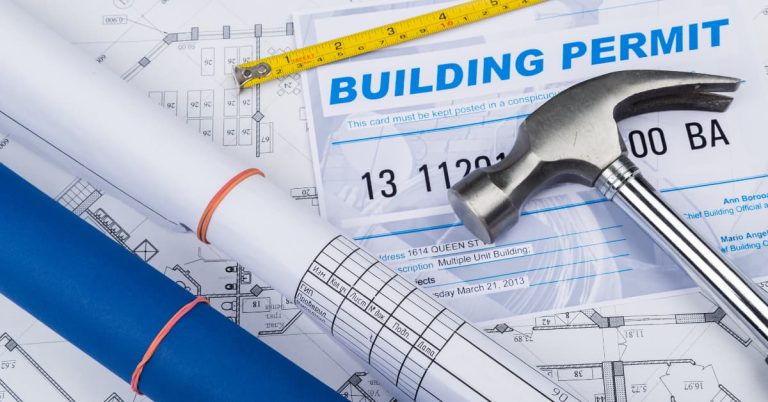
Montgomery County home addition permits typically takes 2-10 weeks for approval, depending on project complexity. The Department of Permitting Services requires building, electrical, plumbing, and HVAC permits for most additions, with fees based on square footage and construction value.
I’ve guided hundreds of Montgomery County families through the permit process, and here’s what most people don’t realize: getting your home addition permits approved quickly isn’t about luck—it’s about knowing exactly what the county wants to see and giving it to them the right way from day one.
When your neighbor’s home addition project dragged on for eight months because of permit issues, that wasn’t normal. That was avoidable.
Why Montgomery County Home Addition Permits Matter for Your Project
Montgomery County doesn’t make the permit process complicated to frustrate homeowners. They make it detailed because they’ve seen what happens when additions aren’t planned correctly—structural problems, drainage issues, setback violations that create neighbor disputes, and electrical work that becomes fire hazards.
The county reviews home addition permits to protect you, your neighbors, and your property value. When you understand their perspective, the approval process becomes straightforward.
Your permit application needs to demonstrate three things: your addition follows zoning rules, meets building codes, and won’t create problems for surrounding properties. Miss any of these, and you’ll get the dreaded “revisions required” letter that adds weeks to your timeline.
Complete Permit Requirements for Montgomery County Additions
Your permit application must include three critical documentation categories. According to the Montgomery County Department of Permitting Services, missing any single item guarantees delays.
Zoning Compliance
- Setback measurements from right-of-way line (not curb)
- Lot coverage typically 35% maximum for residential zones
- Height restrictions vary by zone, generally 35 feet max
- Impervious surface limits including driveways and patios
Building Code Documents
- Structural plans with Maryland PE stamp (required)
- Electrical schematics showing circuits and panel capacity
- Plumbing layouts if adding bathrooms or kitchens
- HVAC modifications with load calculations
Site Documentation
- Property survey less than 3 years old (non-negotiable)
- Drainage impact study showing water flow patterns
- Tree inventory for all trees over 24″ diameter
- Parking verification if adding bedrooms
What Makes Montgomery County Different
🌊 Chesapeake Bay Protection
Properties near streams (35% of county) need environmental impact studies adding 3-6 weeks. This includes most areas near Rock Creek, Northwest Branch, and other waterways.
🌳 Strict Tree Protection
Trees over 24″ diameter require removal permits and 2:1 replacement plantings.
🏛️ Historic District Reviews
Bethesda, Chevy Chase, Takoma Park properties need Historic Preservation Commission approval adding 6-8 weeks parallel to standard permits. Design must match existing architecture.
⏱️ Longer Review Times
Montgomery County’s 17-day review is thorough but longer than Anne Arundel (10-14 days) or Prince George’s (10-14 days). Trade-off: fewer construction issues discovered later.
Montgomery County Permit Fees
Permit fees depend on your addition’s square footage and complexity and typically cover building, electrical, plumbing, HVAC, and plan review. According to the Montgomery County Department of Permitting Services, fees vary based on the scope and systems involved in your project. Contact us and we’ll handle all permit applications for your specific project.
Let Blue Collar Scholars Handle Your Entire Permit Process
We've successfully obtained permits for 200+ Montgomery County additions. Our applications have a 90% first-time approval rate because we know exactly what the county wants to see.
- All permit applications prepared and submitted
- Engineering and surveying coordination
- Inspection scheduling and attendance
- Direct communication with DPS reviewers
- Average approval time: 4-6 weeks vs 8-12 weeks DIY
Prefer to talk? Call us: 301-945-8558
✓ No obligation consultation ✓ 15+ years Montgomery County experience
Montgomery County Permit Timeline: How Long Does Approval Take?
Understanding the timeline helps you plan realistically. According to the Montgomery County Department of Permitting Services, standard residential addition permits undergo review within 17 calendar days for adequately prepared applications, though the total timeline including revisions typically extends to 6-10 weeks.
Pre-Application Preparation
- Order current property survey (2-3 days)
- Hire structural engineer for plans (1 week)
- Confirm zoning compliance (3-5 days)
- Prepare architectural drawings (1-2 weeks)
- Schedule soil testing if required (1 week)
Time saver: Start this phase 4 weeks before you want to submit. Waiting for a new survey is the most common delay.
Application Submission
- Submit online through Montgomery County ePlans (1 day)
- Upload all required documents (1 day)
- Pay initial fees (immediate)
- Receive application confirmation number (immediate)
Pro tip: Submit Tuesday-Thursday morning for fastest processing. Avoid Friday submissions—they sit until Monday.
Review Process (Critical Phase)
- County reviews for completeness (3-5 days)
- Technical review begins (10-15 days)
- Receive review comments or approval
- Submit corrections if needed (adds 1-2 weeks)
Warning: 75% of DIY applications need at least one revision. Professional applications typically sail through first review.
Final Approval & Construction Start
- Address all review comments (3-5 days)
- Receive final permit approval (2-3 days)
- Schedule required inspections
- Post permit placard on property (within 3 days)
- Begin construction
Success: You’re approved! Keep your permit on-site and schedule inspections 24 hours in advance.
Timeline Summary
- Best case (perfect application): 2-4 weeks
- Typical (one revision): 6-10 weeks
- Complex (multiple revisions): 12-16 weeks
- Problem projects: 20+ weeks
The fastest approval I’ve seen? 12 business days for a Potomac addition. The longest? Six months because the homeowner tried to save money by skipping proper surveys and engineering.
Real Montgomery County Permit Timelines From Our Projects
These are actual Blue Collar Scholars projects showing the full range of what to expect.
12 Business Days
Potomac, MD • 600 sq ft Single-Story Addition
Complete documentation submitted, engineer-stamped plans, current survey, no zoning complications
7 Weeks
Bethesda, MD • 800 sq ft Two-Story Addition
One revision cycle for drainage clarification—common for properties near streams
6 Months (24 Weeks)
Silver Spring, MD • 1,200 sq ft Addition
Homeowner DIY application with multiple critical errors—exactly what we help you avoid
Don't let your project become a cautionary tale. Blue Collar Scholars handles all permit applications with a 90% first-time approval rate.
Get Your Free Permit Strategy ConsultationPermit Application Red Flags That Guarantee Delays
After handling hundreds of Montgomery County permits, I can spot application problems instantly. These mistakes add weeks (sometimes months) to your timeline and costs.CRITICAL: Survey Older Than 3 Years
Montgomery County WILL reject your application immediately. That 2019 survey from your home purchase won't work for a 2024 permit. Order a new survey before you start anything else—it takes 2-3 weeks to receive.
CRITICAL: Missing Structural Engineering Stamp
Architectural drawings aren't enough. Montgomery County requires a licensed Professional Engineer's stamp on any addition plans involving structural modifications. No exceptions. The county checks every stamp against Maryland's PE database.
CRITICAL: Setback Measurements from Wrong Reference Point
Front setbacks measure from the right-of-way line, NOT the curb. Side setbacks have different rules for corner lots. Get this wrong and your entire addition layout needs redesign. I've seen homeowners lose 10 feet of planned space because of this mistake.
MODERATE: Incomplete Drainage Plan
Showing how roof runoff affects neighboring properties isn't optional. Properties near streams need additional environmental studies. Montgomery County takes stormwater management extremely seriously—it's Chesapeake Bay watershed protection.
MODERATE: Tree Inventory Missing
Montgomery County protects trees over 24 inches in diameter. Your application must include an inventory showing all significant trees. Removing protected trees without permits results in serious fines per tree.
MODERATE: Lot Coverage Calculation Errors
Most Montgomery County residential zones limit lot coverage to 35%. This includes your house, garage, shed, and new addition. Exceeding this triggers additional stormwater management requirements that most homeowners don't anticipate.
WATCH OUT: Historic District Requirements
Properties in Bethesda, Chevy Chase, Takoma Park, and other historic districts need Historic Preservation Commission approval IN ADDITION to building permits. This parallel process can't be rushed.
The Pattern I See Repeatedly
DIY permit applications have a 75% revision rate. The most common sequence: submit → rejected for missing engineering → hire engineer → resubmit → rejected for setback errors → redesign → resubmit → approved 12 weeks later. Professional applications? 90% approval rate on first submission. We know exactly what Montgomery County wants because we submit 50+ permits per year.Step-by-Step: Filing Your Montgomery County Addition Permit Application
Follow this proven process to maximize your approval chances. Each phase builds on the previous one—skipping steps creates problems.Pre-Application Preparation (2-4 weeks before submission)
Application Submission
Review Process (2-6 weeks)
Final Approval & Permit Issuance
Let Blue Collar Scholars Handle This Entire Process
We've submitted hundreds of successful Montgomery County permits. Our process includes document preparation, engineer coordination, submission management, and inspection scheduling. You focus on planning your new space—we handle the bureaucracy. Get Started with Free ConsultationWhat Makes Montgomery County's Permit Process Unique
Stricter Than Most Maryland Counties
While Anne Arundel and Prince George's counties often complete reviews in 10-14 days, Montgomery County's thoroughness means 17 days minimum for even perfect applications. The trade-off? Fewer issues discovered during construction that could cost you thousands to fix.
Chesapeake Bay Protection Zone Requirements
Properties near streams face additional environmental restrictions that don't exist in non-watershed counties. This affects approximately 35% of Montgomery County properties and adds 3-6 weeks for environmental impact studies. If your property is in Potomac, Bethesda near Rock Creek, or anywhere near water features, expect this extra layer.
Tree Protection Laws
Montgomery County protects trees over 24 inches in diameter—far stricter than neighboring jurisdictions. Removing protected trees requires separate permits and mandatory replacement plantings. Budget additional costs if your addition affects large trees on your property.
Historic District Overlay Requirements
If you're in Bethesda, Chevy Chase, Takoma Park, or other historic areas, your permits must also be approved by the Historic Preservation Commission. This parallel process adds 6-8 weeks but protects neighborhood character and your property values.
DIY Permit Application vs. Professional Help: The Real Comparison
This isn't about selling you services—it's about showing you the actual numbers. Based on 200+ Montgomery County projects.
The Real Cost Comparison
Engineer hired separately
Survey ordered separately
40-60 hours of your time
Potential redesign & delay costs
Engineering coordinated
Survey managed
Your time: 2 hours consultation
No mistake costs
When you're making a major investment in an addition, professional permit handling isn't an expense—it's protection for your investment.
Complete Permit Requirements for Montgomery County Additions
Your permit application package must include three critical categories of documentation. Missing any single item guarantees delays.
Zoning Compliance Documentation
- Setback measurements – Your addition must maintain specific distances from property lines. Front setbacks measure from the right-of-way line, not the curb—this catches many DIY applicants.
- Lot coverage calculations – Montgomery County limits how much of your lot can be covered by structures. Most residential zones allow 35% maximum coverage.
- Height restrictions – Two-story additions face stricter rules than single-story expansions. Maximum heights vary by zone but typically cap at 35 feet.
- Impervious surface limits – Driveways, patios, and roof area all count toward your maximum. Exceeding limits triggers stormwater management requirements.
Building Code Requirements
- Structural plans – Engineered drawings showing how your addition connects to the existing structure. Must include a Maryland licensed Professional Engineer’s stamp.
- Electrical schematics – New circuits, outlet placement, and panel capacity calculations. Panel upgrades often necessary for additions over 400 square feet.
- Plumbing layouts – Required if adding bathrooms or moving water lines. Must show connection points and waste line routing.
- HVAC modifications – How you’ll heat and cool the new space. Load calculations required to verify existing system capacity.
- Insulation and energy compliance – Montgomery County follows strict energy codes. R-values must meet or exceed current Maryland code requirements.
Site Plan Documentation
- Accurate property survey – Must be dated within three years. Many permit delays happen because homeowners submit plans based on old or incorrect surveys from their home purchase.
- Drainage impact study – Show how roof runoff and grading changes affect water flow. Properties near streams need additional environmental assessments.
- Tree preservation plans – Montgomery County protects specific tree species and sizes. Inventory required showing all trees over 24 inches diameter.
- Parking requirements – Adding bedrooms sometimes triggers additional parking space requirements. Two spaces per dwelling unit is standard.
Special Montgomery County Requirements You Need to Know
Beyond standard permit requirements, Montgomery County has unique regulations that catch many homeowners by surprise. Understanding these upfront prevents expensive delays and redesigns.Tree Protection Rules
Montgomery County protects trees over 24 inches in diameter measured at 4.5 feet above ground. This is one of the strictest tree protection ordinances in Maryland.- You must inventory every tree near your addition footprint
- Removing protected trees requires separate permits and tree variance applications
- Mandatory replacement plantings at 2:1 ratio (remove one, plant two)
- Significant fines per tree for unauthorized removal
Budget impact: Factor in additional costs if your addition affects large trees on your property.
Action step: Before designing your addition, mark all trees over 24" diameter on your property. Design around them when possible—it's far cheaper than removal permits.
Chesapeake Bay Critical Area Protection
Properties near streams, wetlands, or steep slopes face additional environmental restrictions that don't exist in other Maryland counties. Approximately 35% of Montgomery County properties fall under these regulations.- Environmental impact studies required before permit approval
- Stricter impervious surface limits (often 15-20% vs standard 35%)
- Buffer zone restrictions limiting where you can build
- Enhanced stormwater management requirements
Budget impact: Environmental studies and enhanced stormwater systems can add significant costs to your project.
Action step: Properties within 100 feet of streams or with slopes over 15% likely fall under these rules. Check with Montgomery County Department of Environmental Protection before designing.
Historic District Considerations
If your property is in Bethesda, Chevy Chase, Takoma Park, Kensington, or other historic districts, you need additional approvals from the Historic Preservation Commission before Montgomery County DPS will issue permits.- Historic Area Work Permit (HAWP) required in addition to building permit
- Additions must match existing architectural character and materials
- Design Review Board approval process adds 6-8 weeks
- More restrictive setback and height requirements in some districts
Timeline impact: This parallel approval process cannot be rushed and requires fees plus legal representation. Start HAWP application immediately—don't wait for building permit approval.
Action step: Check if you're in a historic district at Montgomery County Historic Preservation. Design additions to complement your home's existing style from the start.
Forest Conservation Requirements
Additions that disturb more than 40,000 square feet of land (about one acre) trigger forest conservation requirements. This primarily affects large properties planning extensive outdoor spaces with their additions.- Large additions with significant site work and landscaping changes
- Projects clearing substantial wooded areas for construction access
- Additions combined with new driveways, patios, or retaining walls
Budget impact: Forest conservation plans and required plantings can add substantial costs to your project.
Action step: Most residential additions stay well under this threshold. If your project includes extensive site work, consult with Montgomery County Planning Department early.
Navigate Montgomery County's Complex Requirements with Expert Help
These special requirements trip up even experienced contractors who don't regularly work in Montgomery County. Blue Collar Scholars has handled additions in every Montgomery County zoning district, historic area, and environmental zone. We know which properties face which restrictions before we start designing. Our process includes:- Complete property assessment for all regulatory requirements
- Coordination with Historic Preservation Commission when needed
- Environmental impact studies and permitting
- Tree protection planning and variance applications
- One point of contact managing every approval
Or call us directly: 301-945-8558
What Happens If Your Montgomery County Permit Gets Denied
Montgomery County rarely denies permit applications outright. Instead, they issue “revisions required” notices explaining exactly what needs to change. Understanding this process helps you respond quickly and get back on track.
The Revision Process
When Montgomery County reviews your application and finds issues, you’ll receive a detailed notification via the ePlans system listing every item that needs correction. These aren’t denials—they’re requests for specific changes.
Common Revision Requests
- Revised setback calculations – Usually means measurements from wrong reference points. Provide corrected dimensions from right-of-way line, not curb.
- Additional structural details – Missing connection details, insufficient load calculations, or unclear framing specifications. Your engineer must provide these.
- Drainage plan modifications – Insufficient stormwater management details or missing downspout locations. Civil engineer may be required.
- Tree protection measures – Missing tree inventory or inadequate protection zones during construction. Survey all trees over 24″ diameter.
- Parking space additions – New bedrooms sometimes trigger parking requirements not shown on original plans.
How to Respond to Revisions
Address every single comment in your revision submission. Montgomery County tracks each item—partial corrections result in additional review cycles.
- Read the entire revision list carefully. Don’t assume you understand without reading completely.
- Consult with your engineer or architect about each item. Many revisions require professional input.
- Make ALL corrections before resubmitting. Submitting partial fixes wastes time.
- Upload revised documents clearly marked with revision dates and change descriptions.
- Resubmit through ePlans within 2 weeks. Delays over 30 days can invalidate your application.
Timeline impact: Each revision cycle adds 1-2 weeks to your approval process. Most revisions can be addressed within 3-5 business days if you act immediately.
True Denials and Variance Requirements
Actual permit denials happen when your addition violates zoning requirements that can’t be fixed with plan revisions. Common scenarios include:
- Setback violations that can’t be corrected without complete redesign
- Lot coverage exceeding maximum allowed percentage
- Height restrictions that require reducing addition size
- Historic district requirements that fundamentally conflict with your design
In these cases, you need a variance from the Montgomery County Board of Appeals. This process adds 2-3 months and requires fees plus legal representation.
Avoid Revisions and Denials Entirely
Blue Collar Scholars’ permit applications have a 90% first-time approval rate in Montgomery County. We know what the county wants because we submit permits every week. Our applications are complete, accurate, and code-compliant from day one.
When revisions do occur (usually due to county policy changes mid-review), we handle corrections immediately at no additional cost to you. You never deal with the back-and-forth.
Frequently Asked Questions About Montgomery County Home Addition Permits
These are the questions I hear most often from homeowners planning additions in Montgomery County. Each answer comes from real experience processing hundreds of permits.
Can I get a building permit after the work is done in Montgomery County?
Yes, but it's expensive and risky. Montgomery County allows retroactive permits, but you'll face stop-work orders and must pay for inspections that tear into completed work to verify code compliance. According to the Montgomery County Department of Permitting Services, retrofitting permits costs 300-500% more than getting them before construction.
More importantly, unpermitted work creates serious problems when selling—most lenders refuse to finance homes with unpermitted additions. You'll either need to remove the addition, obtain permits retroactively (expensive and uncertain), or accept a significantly lower sale price.
Do I need a permit for a small addition or bump-out in Montgomery County?
Yes, any addition that extends your home's footprint, height, or area requires a building permit in Montgomery County—even small bump-outs of 100-200 square feet. The only exceptions are very minor repairs that don't affect structural elements, electrical systems, or plumbing.
Montgomery County treats all structural work seriously because even small additions impact setbacks, lot coverage calculations, and building codes that protect your property value and neighborhood character. A 150 square foot addition still needs full engineering, survey, and permit review.
What's the difference between a building permit and a zoning permit in Montgomery County?
Building permits verify your addition meets construction and safety codes, while zoning compliance confirms your project follows land use regulations like setbacks and lot coverage limits. In Montgomery County, zoning review happens as part of your building permit application—you don't apply for them separately.
However, if your addition violates zoning requirements (setbacks too close to property lines, lot coverage over 35%, height exceeding zone limits), you'll need a variance from the Board of Appeals before the Department of Permitting Services will approve your building permit.
Can I apply for a Montgomery County home addition permit myself, or do I need a contractor?
Homeowners can apply for permits in their own name in Montgomery County, but you still need professional help. You'll require structural engineering drawings (must be stamped by Maryland-licensed PE), architectural plans meeting county standards, and detailed specifications that comply with current building codes.
Most homeowners hire design-build firms or architects to prepare permit applications because mistakes cause expensive delays. If you hire a contractor for construction, Montgomery County strongly recommends listing them on the permit as the responsible party. Contractors need Maryland Home Improvement Commission (MHIC) licenses to obtain permits.
How long is a Montgomery County home addition permit valid?
Montgomery County building permits remain valid as long as you maintain continuous progress and pass required inspections within the timeframes specified by your permit. If work stops for extended periods without inspections, your permit may expire and require renewal with additional fees.
Most addition projects complete within 6-12 months, well within the permit validity period. If you anticipate delays (financing issues, material shortages, seasonal weather), you can request permit extensions before expiration. Extensions cost depends on the original permit value.
What happens during a Montgomery County home addition permit inspection?
Montgomery County requires multiple inspections throughout construction: foundation (before concrete pour), framing (before insulation), rough-in for electrical/plumbing/HVAC (before drywall), insulation verification, and final inspection. Inspectors verify your work matches approved plans and meets all building codes.
Schedule inspections at least 24 hours in advance through the Montgomery County DPS online system. Keep your permit placard visible and approved plans on-site—inspectors need to reference them during visits. If an inspection fails, the inspector provides a written list of corrections needed. Make those corrections and reschedule immediately—delays compound quickly.
Getting Started with Your Montgomery County Home Addition Permit
The permit process doesn't have to be overwhelming. When you have accurate information, complete documentation, and realistic timelines, Montgomery County's approval process is predictable and manageable.
Blue Collar Scholars has successfully obtained permits for additions throughout Montgomery County—from simple bump-outs in Silver Spring to complex two-story additions in Potomac. We handle every aspect of the permit process, so you can focus on planning your new space instead of wrestling with paperwork.
Why Choose Blue Collar Scholars for Your Montgomery County Addition
90% First-Time Approval Rate
Our applications rarely need revisions because we know exactly what Montgomery County wants to see.
4-6 Week Average Timeline
Complete applications move through the system quickly. We handle all corrections immediately if needed.
15+ Years Montgomery County Experience
We've worked in every zoning district, historic area, and environmental zone. We know the local requirements.
Single Point of Contact
From initial consultation through final inspection, you work with one team managing every detail.
Transparent Pricing
All permit costs, engineering fees, and inspections included in your project quote. No surprises.
5-Year Warranty
Your permitted addition is built right, and we stand behind our work with comprehensive warranty coverage.
Ready to Start Your Home Addition Project the Right Way?
Schedule a free consultation with Blue Collar Scholars. We'll review your property, discuss your addition goals, and create a permit strategy that gets your project approved quickly and correctly.
Your dream addition is closer than you think—and it starts with getting the permits right from day one.