

Decks and screened-in porches turn backyards into living space you actually use.
Homeowners in Bethesda, McLean, and Arlington combine open decks with screened rooms to get sun exposure and bug-free comfort in one structure. Colonial homes work well with raised decks that transition into screened porches at the same level. Ranch properties in Rockville benefit from ground-level patios that connect to screened rooms without steps. Split-level homes in Silver Spring get multi-tier decks with screened areas on the main living floor.
You get outdoor space that works for grilling, dining, and relaxing without choosing between fresh air and insect protection.
Combining Deck and Screened Porch in One Structure
Single structures that include both open deck and screened porch sections maximize how you use outdoor space. We build composite decks in Vienna with one half open for grilling and sun, the other half screened for dining and sitting. The screened section gets its own roof framing, screen panels on three sides, and a door from the deck. Tudor homes in Chevy Chase get wraparound designs where the deck continues around corners into a screened room. You end up with flexibility – sun when you want it, shade and bug protection when you need it.
Deck-to-porch transitions in Falls Church work best when both sections sit at the same height. We pour footings for the entire footprint, frame the deck structure to support roof loads over the screened section, and run the decking across both areas. Screen panels mount to posts that extend from the deck framing. Door placement between sections lets you move freely without going through the house.
Sizing Each Section Based on How You’ll Use It
Open deck sections in Potomac need enough room for a grill, prep table, and standing space for the cook. That’s usually 8-10 feet of depth. Screened sections require space for dining tables, seating groups, or both. A 12×16 screened porch in Gaithersburg handles a six-person table and conversation area. We position the grill on the open deck near the kitchen door, place the dining table in the screened section, and add seating on whichever area gets evening shade.
Furniture size determines screened porch dimensions. Ashton homeowners planning for sectional seating need 14-16 feet of width. Dining tables with chairs pulled out require 12 feet minimum. Open deck sections can be smaller because people stand while grilling. The screened section gets more square footage because that’s where families spend hours reading, eating, or watching kids play in the yard.
Roofing Options That Cover Screened Sections
Screened porches in Kensington need solid roofs for rain protection and structure for screen panels. We extend the house roofline when possible, matching pitch and materials so the porch looks original. Metal roofing over screened sections reflects heat and lasts 40 years. Asphalt shingles match most Maryland homes and cost less upfront. The roof framing ties into house structure at the ledger board, posts carry the outer edge, and rafters span between. You get covered space that stays dry during summer storms while keeping bugs out.
Roof style affects how much light reaches the screened porch. Gable roofs in Alexandria provide the most headroom and ventilation at the peak. Hip roofs work better on homes where aesthetics matter more than interior height. Shed roofs slope away from the house and drain easily but create lower ceiling heights. We match roof style to your home’s architecture – Cape Cod homes get gable roofs, Contemporary builds work with low-slope sheds.
Screen Panel Systems That Actually Keep Bugs Out
Screen panels in Fairfax mount to posts and roof framing to create enclosed rooms. We use aluminum frame systems that hold fiberglass screening tight. The frames snap into channels routed into posts, creating sealed edges where bugs can’t enter. Bottom rails sit on deck boards or kick plates. Door frames get weatherstripping and closers so they latch shut. You get screened rooms that keep out mosquitoes, flies, and stink bugs without gaps at corners or edges.
Standard fiberglass screening lasts 10-15 years before sun exposure weakens it. Pet-resistant screening costs more but survives dogs and cats pushing against it. Solar screening blocks UV and reduces heat while maintaining visibility. Rockville screened porches get screens that remove for winter storage or stay year-round depending on how you use the space.
Deck Flooring That Works for Both Sections
Composite decking in McLean runs through both open deck and screened porch sections. The material resists moisture, won’t splinter, and needs zero sealing or staining. We use hidden fasteners so screw heads don’t show. Color selection matches your home’s trim or siding – gray composite works with white trim, brown tones pair with brick. You get uniform flooring that looks finished and handles sun, rain, and foot traffic for decades.
Pressure-treated lumber costs less than composite but requires annual maintenance. We build decks and screened porches in Vienna with PT framing and composite decking to balance cost with performance. Boards install with slight gaps for drainage and expansion. We pitch decking 1/4 inch per foot away from the house so water doesn’t pool.
Lighting for Evening Use
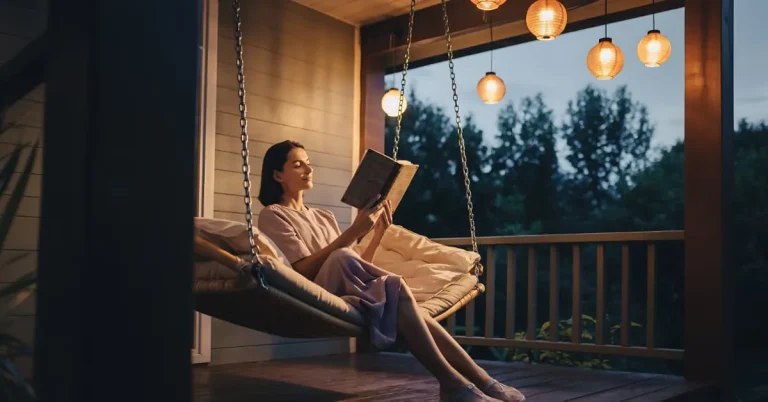
Recessed can lights in screened porch ceilings provide overhead lighting for Bethesda dining tables. We wire fixtures on dimmers so brightness adjusts for different activities. String lights along open deck railings create ambiance for entertaining. Post cap lights on deck corners mark edges for safety. The lighting plan includes separate switches for deck and screened sections so you control each area independently.
Low-voltage landscape lighting on deck stairs in Great Falls prevents trips after dark. We run wiring through deck framing to hide it, place fixtures at riser height, and use LED bulbs that last years. Ceiling fans in Glenmont screened porches include light kits for dual function. The electrical work meets code, connects to dedicated circuits, and puts controls at convenient locations near doors.
Privacy Screening Without Blocking Airflow
Screened porches in Fairfax Station need privacy from neighbors without turning into closed boxes. We install lattice panels on one or two sides, leaving others open for breeze and views. Outdoor curtains on tracks give adjustable privacy. Planters with tall grasses or bamboo create natural screens along deck edges. You get privacy where it matters while maintaining the open feel that makes outdoor rooms work.
Deck railings in Columbia contribute to privacy when built solid rather than spaced pickets. We position screened porches on the back of homes where neighbors can’t see in rather than sides facing adjacent properties. The design blocks sightlines from specific angles while keeping the space open and comfortable.
Heating Options for Three-Season Use
Screened porches in Potomac extend the season with infrared heaters mounted to ceiling joists. The heaters warm objects rather than air, making them work even with screens open. Fire pits on open deck sections provide heat and gathering spots for cool evenings. You get comfortable outdoor space from April through October instead of just summer months.
Ceiling fans in Ashton screened porches reverse to push warm air down in spring and fall. Gas fire tables on decks burn propane and double as coffee tables. Electric heaters plug into weatherproof outlets near seating areas. The heating strategy depends on how often you’ll use the space in shoulder seasons.
Matching Design to Your Home’s Architecture
Colonial homes in Bethesda pair well with raised decks that include covered screened porches with columns. The columns echo front porch details and painted railings match trim colors. Tudor homes in Chevy Chase get darker stained decks with heavy timber posts supporting screened room roofs. Ranch properties in Germantown work with low-profile decks and screened rooms that extend the horizontal lines. You get outdoor structures that look like original parts of the house.
We study your home’s materials, colors, and proportions before recommending deck and screened porch designs. Brick homes suggest brick columns or piers supporting deck posts. Roof pitch on screened sections matches the main house. Railing styles coordinate with existing porch or deck details. The completed structure blends into the home’s design language.
Cost Factors That Affect Your Project
The material you choose drives the biggest variable in any project cost. Composite decking costs more than pressure-treated wood but requires no maintenance over its lifespan. Screened sections add roofing, screening systems, and electrical work on top of the base deck cost. Size, site conditions, and features all move the price in either direction.
We estimate complete costs upfront including permits, site prep, and cleanup. Change orders during construction add expenses, so finalizing design before starting saves money. The investment creates outdoor living space that adds home value and daily enjoyment.
Maintenance Requirements
Composite decks in McLean need annual washing to remove pollen and dirt. Check fasteners yearly and tighten any that work loose. Screen panels in Bethesda screened porches need inspection for tears or separated frames. Small holes get patched, larger damage requires panel replacement. You get structures that hold up with basic care.
Wood decks and porch structures in Great Falls require more attention. Inspect annually for rot at ground contact points. Seal or stain every 2-3 years to prevent moisture damage. Check roof flashing on screened sections for leaks. The maintenance schedule depends on materials chosen – composite and aluminum need little, wood needs regular attention.
Working With Blue Collar Scholars
We visit your property, assess the site, and talk through how you want to use the space. You share your priorities, we propose layouts that fit your lot and match your home, and we refine the plan until it works. From there we handle permits, materials, and scheduling. Most projects finish in 4-8 weeks.
Deck and screened porch combinations give you open space for grilling and screened comfort for dining, all in one structure built to last. Schedule a consultation to talk through layouts, materials, and features that fit your yard.