


According to a recent study by Southern Cross University, 87% of respondents are making an effort to live a more eco-friendly lifestyle.
The efforts we take to live a greener life make a difference, and one area you can start is with the lawn.
Green landscaping is gaining popularity as an alternative to traditional turfgrass lawns. After all, maintaining turfgrass takes a lot of water and requires a lawnmower. Plus, it doesn’t provide any benefit to our pollinators.
Learn about green landscaping and changes you can make to live a more eco-conscious life as a homeowner.
What is Green Landscaping?
Green landscaping, or eco-landscaping as it’s also called, means creating a yard designed to nurture wildlife and reduce the number of resources used, making it a sustainable landscape. It also minimizes soil, requires less water, reduces pollution, improves air quality, and requires less time and energy to maintain.
There are many ways to incorporate eco-landscaping, so you have plenty of options. For instance, you don’t have to remove all of your turfgrass if you like the look of it. You can make environmentally friendly changes to the yard while retaining a bit of that traditional appearance.
What Are the Environmental Benefits of Green Landscaping?
Honey bees perform 80% of all pollination across the globe, and a single bee can pollinate 300 million flowers every day.
You can thank bees for much of the food you eat. Unfortunately, our bees are dying due in part to pesticide use and habitat destruction.
Bees are losing their food sources. However, you can help by incorporating plants they need. Start by planting dutch white clover, creeping thyme, and self-heal.
So, how does landscaping affect the environment?
In addition to helping our pollinators, adding more plants and hardscapes to a lawn gives you a beautiful green space, and it’s much lower maintenance than a traditional lawn.
Including native plants in your landscaping means choosing flora that naturally grows in your region, so you can be sure it will do well. That means less time tending to those plants, saving you time and energy. Investing in routine upkeep is all you need to have a stunning lawn year-round.
You’ll also save time by reducing or eliminating the need for a lawn mower. Including pavers and hardscapes in your outdoor space not only creates a beautiful and welcoming area, but it’s also easy to keep clean and maintained.
If you’re looking for more eco-friendly hardscapes, consider permeable pavers. These pavers allow water to return to the ground rather than become runoff which can cause problems in our sewers and bodies of water.
Best Native Plants for Maryland Yards
Choosing the right plants makes all the difference in creating a successful green landscape. Maryland’s native plants have evolved to thrive in our local conditions, making them perfect alternatives to traditional turfgrass.
For sunny areas, Black-eyed Susans provide cheerful yellow blooms from summer through fall while feeding butterflies and goldfinches. Purple Coneflowers stand up to summer heat and attract a variety of pollinators. Wild Bergamot offers fragrant lavender flowers that bees absolutely love, and it spreads naturally to fill empty spaces.
Shady spots call for different choices. Wild Ginger creates an attractive groundcover with heart-shaped leaves that stay beautiful all season. Christmas Ferns remain green year-round, adding structure even in winter. Coral Bells provide colorful foliage in shades of purple, silver, and green while producing delicate flower spikes that hummingbirds visit.
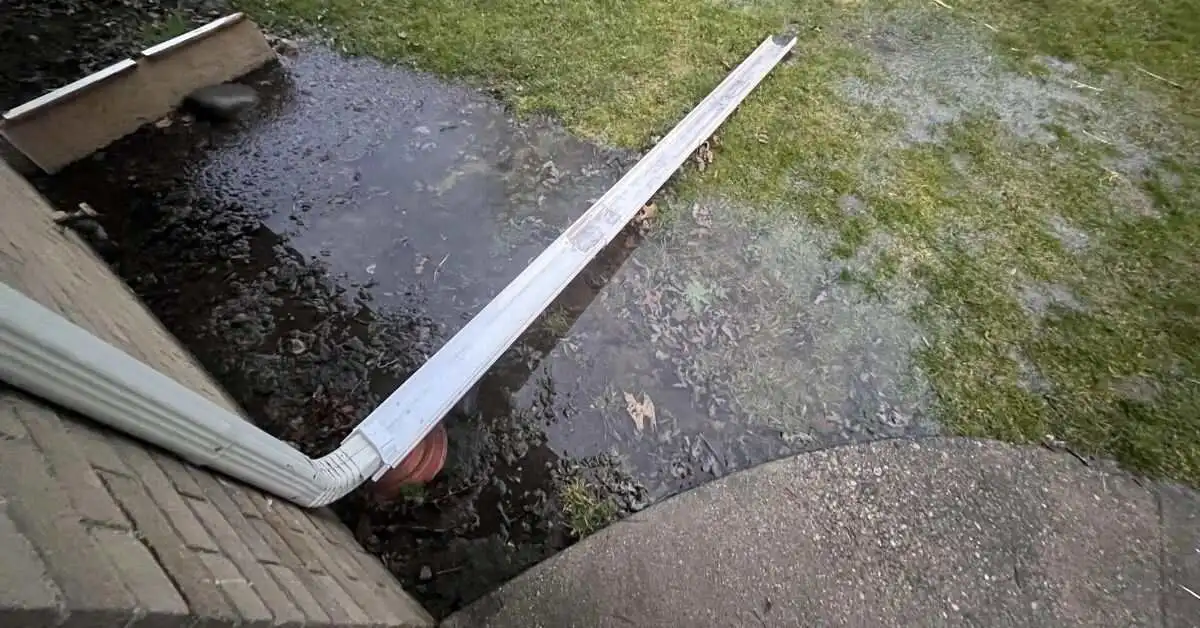
Wet areas near downspouts or low-lying spots benefit from Cardinal Flowers with their brilliant red blooms, Swamp Milkweed that monarchs depend on, and Blue Flag Iris that naturalizes beautifully along water edges. These plants actually prefer the conditions that challenge traditional lawns.
Creating Your Own Rain Garden
Rain gardens are shallow depressions designed to capture and filter stormwater runoff from roofs, driveways, and other hard surfaces. They’re becoming increasingly popular in Maryland as homeowners recognize their beauty and environmental benefits.
The ideal rain garden sits at least 10 feet from your home’s foundation in a naturally low area where water already tends to collect. It should be about 6-8 inches deep with gently sloping sides. The size depends on your drainage area, but even a small rain garden makes a meaningful difference.
Plant selection is crucial for rain garden success. You’ll need plants that can handle both standing water for short periods and dry conditions between rains. Joe Pye Weed, New England Aster, and Switchgrass are excellent choices that provide height and visual interest. Combine these with lower-growing plants like Blue Lobelia and Marsh Marigold for a layered, natural look.
During heavy rains, your rain garden will temporarily fill with water, which should drain within 24-48 hours. Between storms, it functions as an attractive garden bed filled with native plants that support wildlife while protecting our waterways from polluted runoff.
Attracting Pollinators and Wildlife
Maryland is home to hundreds of butterfly species, native bees, hummingbirds, and other beneficial creatures that need our support. Different pollinators prefer different flower types—butterflies love flat-topped flowers like Black-eyed Susans, hummingbirds seek tubular red flowers such as Cardinal Flower, and native bees prefer simple, open blooms like Wild Rose.
Plan for continuous blooms from spring through fall. Spring Beauties and Bloodroot provide early nectar, Bee Balm and Coneflowers bloom in summer, while Asters and Goldenrod sustain pollinators into fall. Beyond flowers, wildlife needs shelter and water. Leave some areas with brush piles and leaf litter, install native bee houses facing morning sun, and add a shallow water source. These simple additions transform your yard into a thriving ecosystem.
Transitioning from Traditional Lawn
Moving from traditional lawn to green landscaping doesn’t have to happen all at once. Start with challenging areas where grass struggles—steep slopes, heavily shaded spots, or wet areas often become the most successful native plant beds.
Sheet mulching offers an organic way to remove grass without chemicals. Layer cardboard over the grass, wet it thoroughly, then add 3-4 inches of mulch. Within months, the grass decomposes and enriches your soil. Consider keeping some lawn for play areas while converting other sections to native plant beds. Edge your eco-friendly areas with stone or brick to create clean lines that show intentional design.
Mix traditional and ecological elements by planting native shrubs as foundation plantings, converting fence strips to wildflower meadows, or replacing lawn sections with walkable native groundcovers like Pennsylvania Sedge or Wild Strawberry.
Seasonal Maintenance Tips
Green landscaping dramatically reduces maintenance compared to traditional lawns, but some seasonal care keeps your eco-friendly yard looking its best.
Spring (March-May)
- Wait to clean up until temperatures consistently reach 50°F to protect overwintering insects
- Cut back dead stems gradually and divide overgrown perennials
- Add fresh mulch where needed, avoiding plant crowns
Summer (June-August)
- Water deeply but infrequently to encourage strong root systems
- Deadhead some flowers for extended blooms, but leave seed heads for birds
- Address pest issues with targeted organic solutions, not broad treatments
Fall (September-November)
- Plant trees, shrubs, and perennials—ideal timing for Maryland
- Collect seeds from successful plants to expand or share
- Leave standing dead plants for winter interest and wildlife shelter
Winter (December-February)
- Plan next year’s improvements and observe winter landscape structure
- Maintain pathways and hardscaped areas
- Provide fresh water for wildlife when natural sources freeze
Get Started With Green Landscaping
Now that you know more about green landscaping, you can make a difference and start caring for the planet. Adding native plants and flowers to your yard adds color and visual interest and also helps our bees, butterflies, and other wildlife.
If you’re ready to go over your options for creating a more eco-friendly yard that’s both beautiful and low-maintenance, reach out to us at Blue Collar Scholars to get a free quote today.