

Clogged gutters don’t fail all at once. They fail quietly. Water overflows, debris builds up, and moisture settles where it doesn’t belong. By the time you notice damage, repairs cost far more than a cleaning would have.
If you searched “gutter cleaning near me” and you’re in Maryland, DC, or Northern Virginia, you already know the DMV’s tree cover, storms, and four seasons are hard on gutters. Clean gutters aren’t optional here.
Blue Collar Scholars has spent over 15 years helping DMV homeowners stay ahead of water damage. This guide covers what gutters do, how often to clean them, when to schedule service, how to do it safely, and what it costs in the region.
What Is a Gutter and What Does It Do?
A gutter is the channel attached to your roofline that captures rainwater and sends it safely away from your home through downspouts. When gutters work correctly, water drains several feet away from your foundation, protecting your basement, siding, and soil structure.
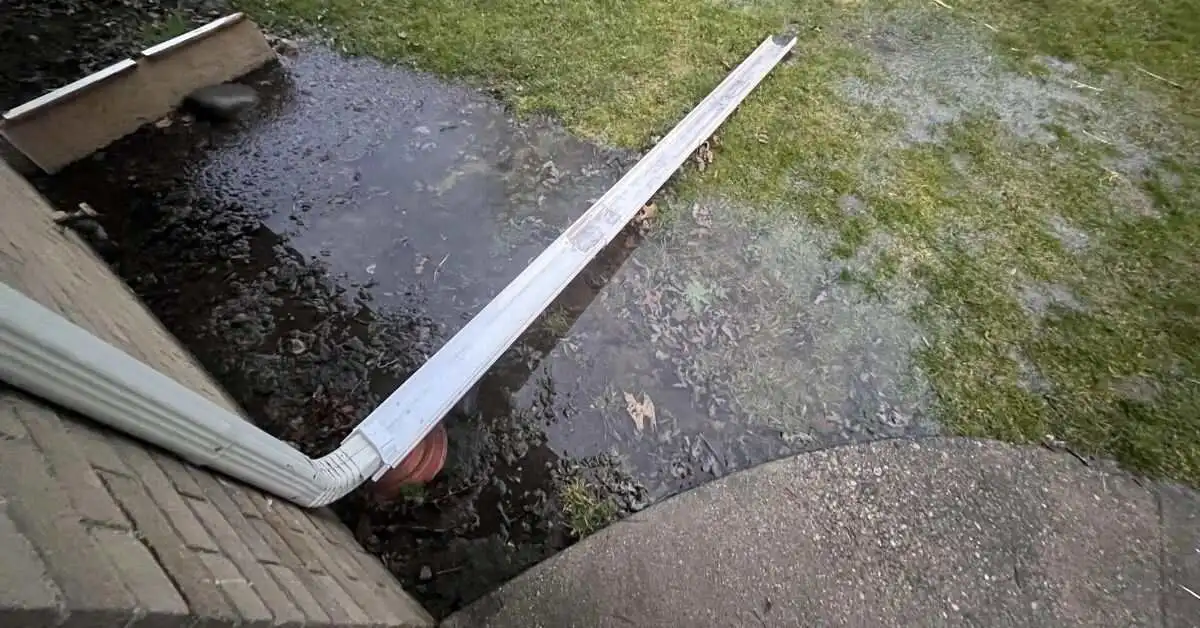
When gutters clog, water spills over the edge, runs down siding, and pools directly beside foundation walls. Over time, that moisture works into framing and masonry. This is often how gutter issues evolve into subsurface drainage problems. Keeping clean gutters is one of the simplest ways to protect your home’s structure.
Why Gutter Cleaning Is Necessary
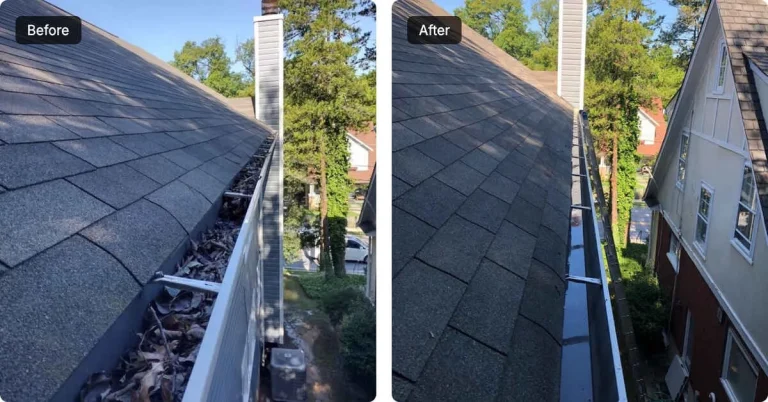
Leaves, pine needles, dirt, seeds, and roofing debris collect inside gutters year-round. Over time, debris traps moisture and blocks drainage.
Without routine gutter cleaning, homeowners experience the following:
- Rusting systems
- Sagging sections
- Foundation erosion
- Overflowing gutters
- Ice buildup in winter
- Rot behind trim boards
If water is not moving, damage is forming. Many clogged gutters eventually overwhelm your yard drainage systems and force water into unsafe areas around your home.
How Often Should You Clean Gutters in Maryland, DC, and Virginia?
Most homes in the DMV should schedule gutter cleaning at least twice per year. Homes under heavy tree cover or exposed to frequent storms may need more attention.
If water overflows when it rains, your gutters are already clogged. That water often saturates soil and contributes to surface drainage issues in your yard. And if you are already searching “gutter cleaning near me,” that often means that you need maintenance now.
When Should I Clean My Gutters?
Seasonal maintenance is the key to keeping clean gutters year-round. While fall and spring are the major clean up seasons, knowing the signs of needing gutter cleaning is important.
Here is what each season means for your home:
Fall Season
Fall is the most important time for gutter cleaning. Leaves drop fast between October and December. When debris stays in the gutter through winter, it traps water and freezes into solid blockages.
Without fall service, homeowners often deal with:
- Overflows during winter storms
- Water trapped under shingles
- Ice formation along roof edges
- Dangerous icicles above entryways
Important Note: Clean in late fall to enter winter with a working system.
Winter Season
Winter is for monitoring, not everyday cleaning. Climbing ladders in icy conditions is dangerous. But you should still inspect gutters from the ground after snow and ice events.
Look for:
- Uneven snow melt
- Dripping behind the gutter
- Ice buildup along roof edges
- Icicles hanging from the gutter
If you see these signs, blocked gutters are already causing trouble. Professional gutter cleaning is safer than attempting DIY work in freezing conditions.
Spring Season
Spring is your second big cleaning window. Seed pods, pollen, grit, and leftover winter debris collect quickly in spring. Heavy rain exposes weaknesses caused by ice and neglect.
Spring gutter cleaning restores proper flow, prevents erosion, and allows you to spot minor problems early. If you skipped fall service, spring cleaning is essential.
Summer Season
Summer is about storm readiness and prevention. Thunderstorms and high winds deposit debris quickly. Birds and pests are also more active during summer months.
A summer check helps:
- Prevent nesting
- Clear light buildup
- Prepare for heavy rain
- Verify downspout drainage
Seasonal attention results in consistently clean gutters and fewer emergencies later.
How to Clean Your Gutters?
DIY gutter cleaning comes down to two things: clear the debris and confirm water drains away from your home properly. Just make sure you know the safety basics before you climb up there.
Before you start:
- Pick a dry, calm afternoon. Wet or icy surfaces make ladder work dangerous.
- Set the ladder on firm, level ground. Soft soil, mulch, or uneven concrete can cause it to slip.
- Keep your weight centered and move the ladder instead of leaning.
- Wear gloves.
Cleaning:
- Scoop out leaves and debris by hand or with a gutter tool, working away from the downspout.
- Drop everything into a bucket or tarp, not into your beds or walkways.
- Flush the gutters with a hose. Water should drain quickly. If it backs up or spills over, there’s still a blockage.
After you’re done:
- Check for sagging sections, leaks, or standing water.
- If anything looks off, call a pro. Adjusting brackets or slope from a ladder is not a safe DIY fix.
Warning Signs You Need a Gutter Cleaning
Gutters rarely fail all at once. They usually show small warning signs long before damage becomes obvious. Spotting these early can save you from expensive repairs.
Common signs your home needs gutter cleaning include:
- Water spilling over the edges during rainfall
- Downspouts that drip, leak, or stop mid-flow
- Gutters sagging or pulling away from the roof
- Plants, moss, or debris visible inside the system
You may also notice subtle clues around the exterior of your home. These often mean water is already going where it should not.
- Puddles or muddy soil near the foundation
- Peeling paint or stains along siding and trim
- Increased insects or birds around the roofline
What Happens If You Skip Gutter Cleaning
When gutters clog, water stops flowing where it should and starts flowing where it causes damage. Over time, moisture weakens your home from the outside in.
Homeowners who delay gutter cleaning often deal with:
- Mold growth from trapped moisture
- Basement leaks and foundation erosion
- Washed-out landscaping and soil movement
- Rotting fascia boards and damaged roof edges
Cold weather makes clogged gutters even more dangerous. Trapped water freezes and expands, creating heavy ice dams that damage your roof.
- Gutters bending or tearing loose under weight
- Shingles lifting from frozen runoff
- Interior water damage during winter thaws
When to Call a Reliable Professional
If your gutters overflow, sag, or pull away from the house, it is time to call a professional. These signs mean the system is under stress. Waiting can turn a cleaning into a repair job.
You should also call if you see water pooling near your foundation or notice interior leaks after rain. Professionals inspect for hidden damage and ensure downspouts flow correctly. Safety matters too, especially on tall homes.
Flush the drama. Clean the gutters.
Gutters hold grudges. Let’s clean them up properly.
At Blue Collar Scholars, we’ve helped homeowners throughout Maryland, DC, and Virginia protect their homes for over 15 years through professional gutter cleaning, drainage solutions, and landscaping services. We understand how water moves around your home, and we design every solution to protect your foundation, yard, and outdoor structures.
Schedule your free gutter cleaning estimate today and give your home the protection it deserves!
Frequently Asked Questions
How often should I have my gutters cleaned?
Most homeowners in Maryland, DC, and Northern Virginia should schedule gutter cleaning at least twice a year — typically in late fall and early spring. Homes under heavy tree cover or exposed to frequent storms may need more frequent maintenance.
Can I clean gutters myself safely?
Yes, for small or easily accessed homes, basic gutter cleaning can be done by homeowners if you follow safety precautions, use a stable ladder, wear gloves, and flush the downspouts afterward. However, multi-story homes, steep roofs, or gutter systems with heavy debris are safer and more effectively cleaned by professionals.
What happens if I skip gutter cleaning for a few years?
Skipping routine cleaning often leads to clogged downspouts, overflow, and water pooling against your foundation. Over time, this can cause wood rot, siding damage, basement leaks, landscaping erosion, and — in cold weather — ice dams and roof damage. Maintenance now helps avoid costly structural repairs later.
Is gutter cleaning really necessary if I have gutter guards installed?
Gutter guards reduce debris entry but they do not eliminate all build-up. Leaves, pine needles, and fine particles still accumulate over time. Guards also do not prevent downspout clogs or address slope and drainage issues — routine cleaning remains important for reliable performance.