

Last spring, after one of those relentless Maryland rainstorms, a Rockville homeowner reached out in a panic. Their backyard had turned into a swamp, with standing water, sinking soil, and no usable outdoor space. What should have been a place to relax had become a constant drainage problem.
Our team stepped in with a professional plan built for Maryland clay and heavy rainfall. By combining the right types of hardscaping, we transformed the yard with a flagstone patio, a custom fire pit, and a properly graded walkway that stayed dry even during downpours. Every element was designed to solve water issues while creating a durable, livable outdoor space.
This page walks you through the seven most common types of hardscaping homeowners choose to upgrade their properties. You’ll see how each option adds structure, function, and long-term value, no matter your yard’s size or slope. If you’re ready to turn a problem yard into something built to last, Blue Collar Scholars is here to help with a free on-site consultation.
What Is Hardscaping?
Hardscaping refers to the non-living elements of your landscape. This includes anything built from stone, brick, concrete, or wood. Each type of hardscape plays a role in shaping how your outdoor space functions and feels, from managing drainage to defining gathering areas. Understanding what hardscaping actually is helps you see how different types of hardscaping connect structure with design and bring balance to your outdoor space through thoughtful hardscaping design choices.
7 Types of Hardscaping
There is a wide selection of products and materials that can be used to craft a hardscaping design for your outdoor space. Here is an overview of seven types of hardscape features.
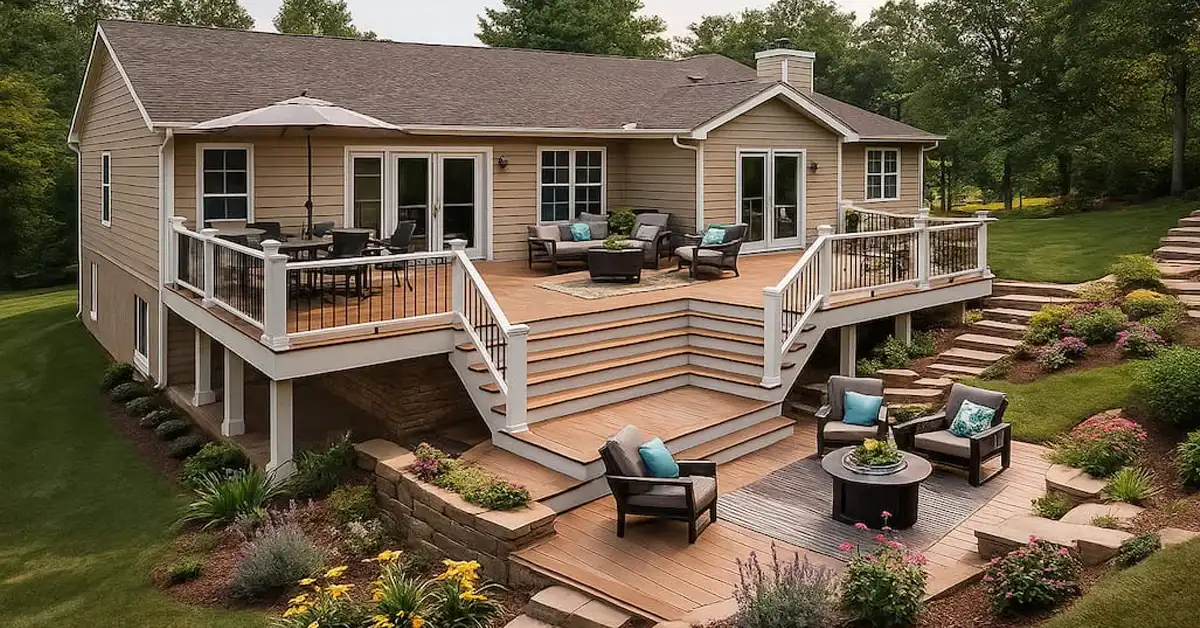
1. Decks
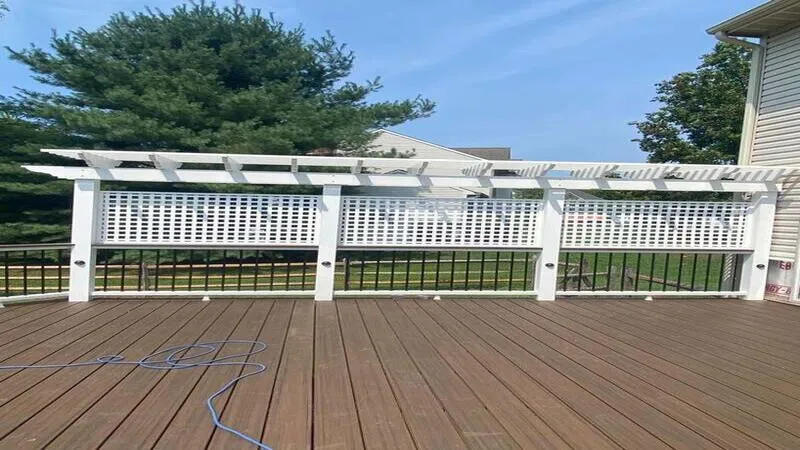
A deck creates usable outdoor living space by elevating you above the yard and defining an area for relaxing, dining, or entertaining. With so many types of decks available, homeowners can customize layouts to match everything from compact townhome spaces to large sloped properties.
Homeowners love decks because they adapt to nearly any layout and lifestyle need. Popular deck material options include pressure-treated wood, low-maintenance composite, and concrete, each offering different looks, durability levels, and upkeep requirements. According to the 2025 Cost vs. Value Report, decks return roughly 89–95% of their cost at resale, depending on the material used.
The most common mistake is skipping proper footings or choosing materials that cannot handle humidity and temperature swings. In Maryland, DC, and Northern Virginia, permit requirements and inspections may apply, especially for elevated structures. Planning railing, drainage, and stair access upfront prevents costly revisions after construction begins.
2. Patios
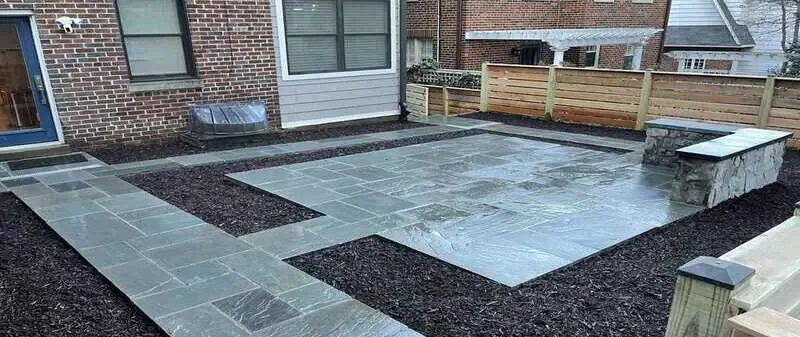
A patio creates a solid outdoor foundation for dining areas, seating zones, and backyard gatherings. This type of hardscape is one of the most flexible options for homeowners who want a low-maintenance, high-impact outdoor upgrade.
Homeowners love patios because they blend visual appeal with everyday comfort and can be shaped to fit almost any yard size. From large entertainment layouts to creative small patio ideas for compact yards and urban homes, patios adapt easily to different lifestyles and property types.
One of the biggest mistakes is poor base preparation, which leads to shifting, cracking, or water pooling. In the DMV, clay soil and runoff patterns must be handled early, and permits may be required for larger installations. Smart grading and material selection help ensure your patio drains properly and lasts long-term.
3. Retaining Walls
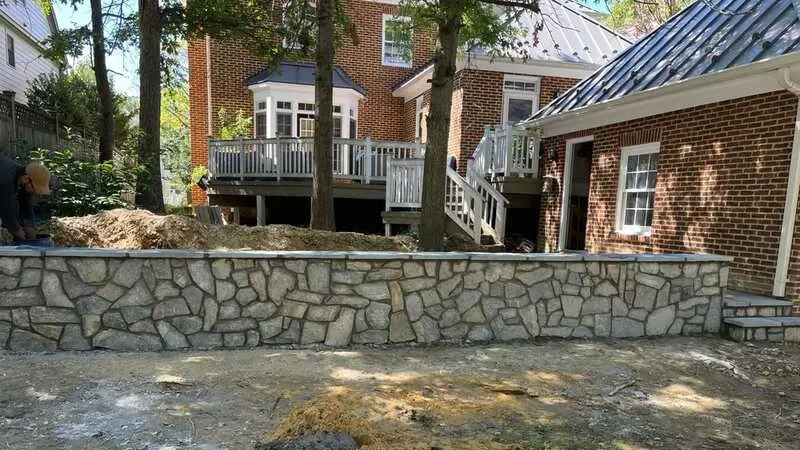
Retaining walls solve elevation problems by holding back soil and reshaping sloped or uneven properties. They help prevent erosion, control water flow, and make landscaping possible where it otherwise would not.
Homeowners appreciate retaining walls because they create flat, usable areas while adding structure and visual depth. They are often used to frame gardens, support patios, and define tiered yards with a polished, intentional look.
A common mistake is building without proper drainage behind the wall, which can lead to pressure buildup and failure. In many cases, early signs of damage mean you may soon be fixing a retaining wall instead of simply maintaining it. In many DMV locations, taller retaining walls require permits and engineering review, and skipping reinforcement or using the wrong materials can shorten the lifespan dramatically.
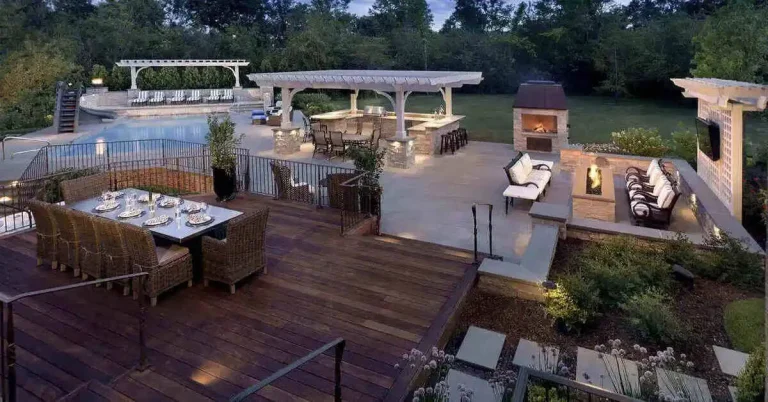
4. Outdoor Living Structures
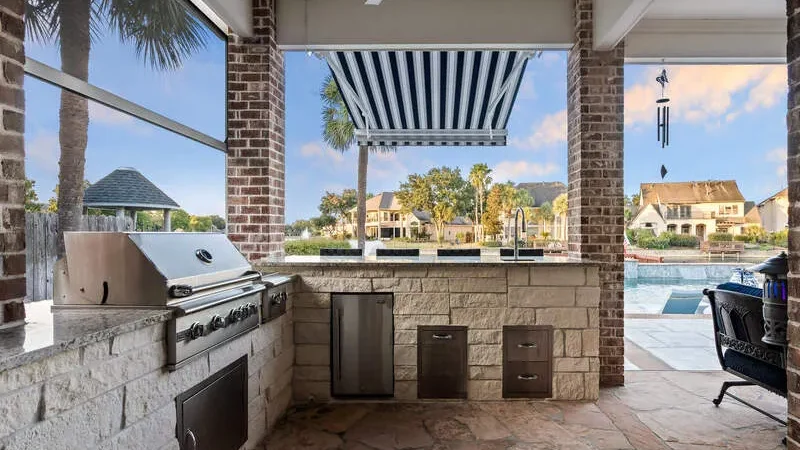
Outdoor structures define how you live in your backyard, not just how it looks. There are many hardscaping outdoor structures to choose from, including different types of fences, custom outdoor stairs and railings, shaded pergolas, covered gazebos, and fully-equipped outdoor kitchens.
Homeowners love these structures because they improve comfort, privacy, and daily usability. Thoughtfully designed fence gates improve access and security, while pergolas and gazebos add shade and visual interest that make outdoor spaces usable in more seasons.
The biggest mistake is building without checking zoning rules or setback requirements. In Montgomery County, Fairfax, and surrounding areas, permits often apply to fences and permanent structures. Placement, footing depth, and material selection determine both safety and longevity.
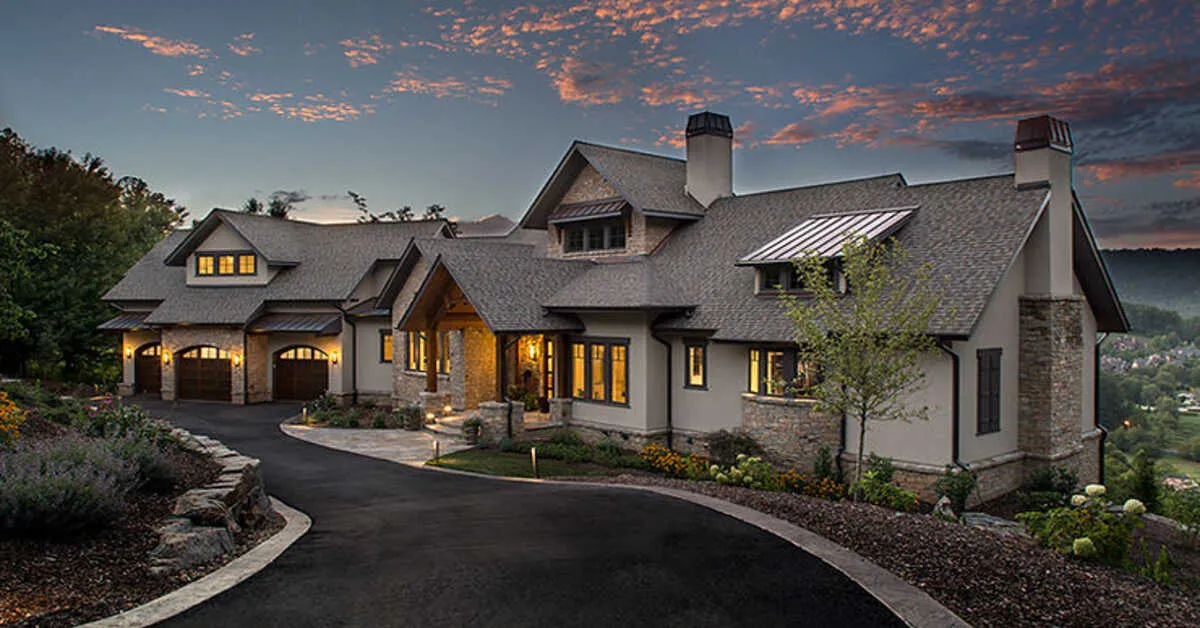
5. Driveways
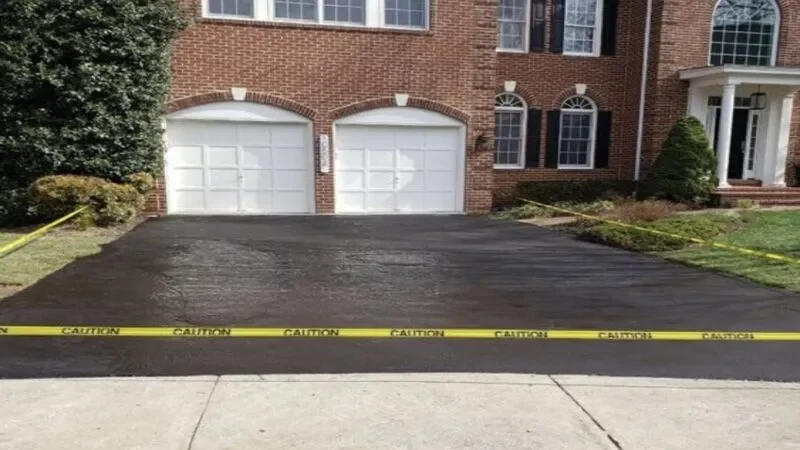
A driveway provides the first impression of your home while supporting daily vehicle traffic. With many types of driveways available, homeowners can choose layouts and materials that improve both performance and curb appeal.
Homeowners often upgrade driveways to improve appearance, increase parking space, or replace worn surfaces. Popular options include concrete, asphalt, pavers, and decorative borders that elevate the overall look of the home.
Poor installation or drainage is the most common reason driveways fail early. In the DMV, freeze-thaw cycles and soil movement must be accounted for, and permits may be needed for expansion or material changes. Proper grading prevents water from pooling near foundations and helps extend the life of the surface.
6. Walkways & Pathways
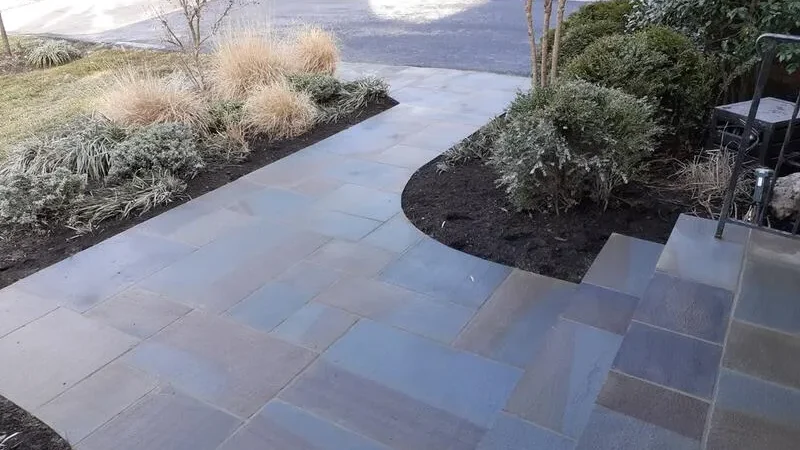
Walkways act like the arteries of your yard. They guide movement across your yard while connecting outdoor spaces with intention. With many types of walkways available, homeowners can choose designs that fit their landscape while improving safety and flow.
Homeowners love walkways because they improve curb appeal and give landscaping a finished, professional feel. Styles range from natural stone stepping paths to structured paver walkways framed by lighting and plantings.
One common mistake is ignoring slope, causing water to collect or flow toward the home. In some areas, pathway modifications near public access may require permits. Proper spacing, lighting, and edging help ensure the path stays safe and beautiful over time.
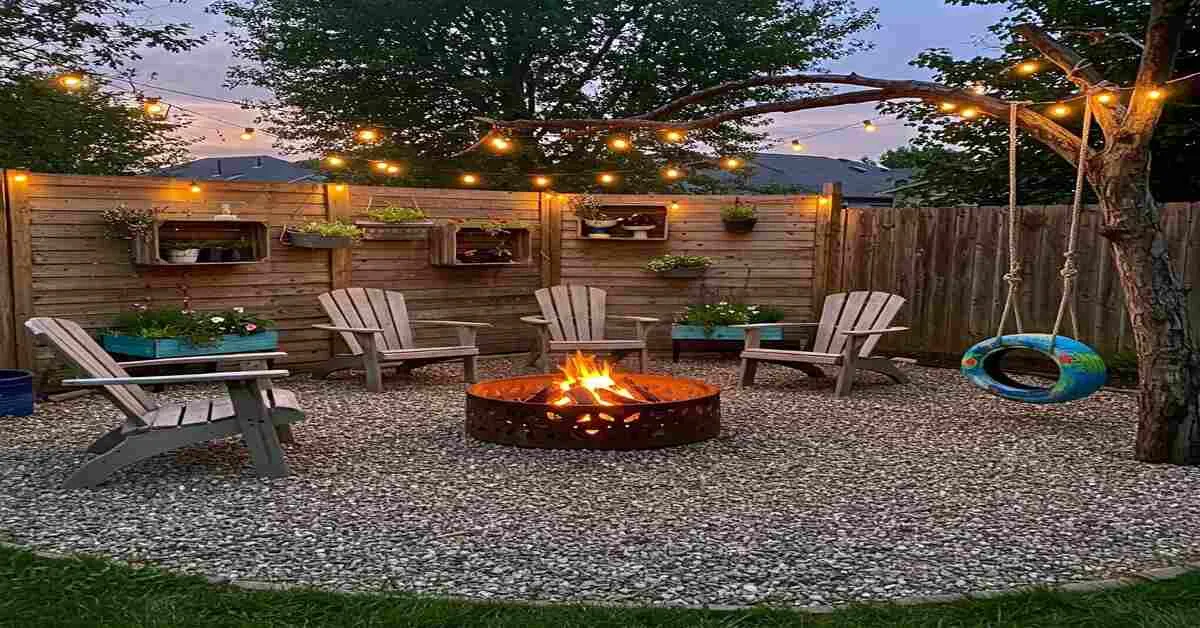
7. Fire Pits & Water Features
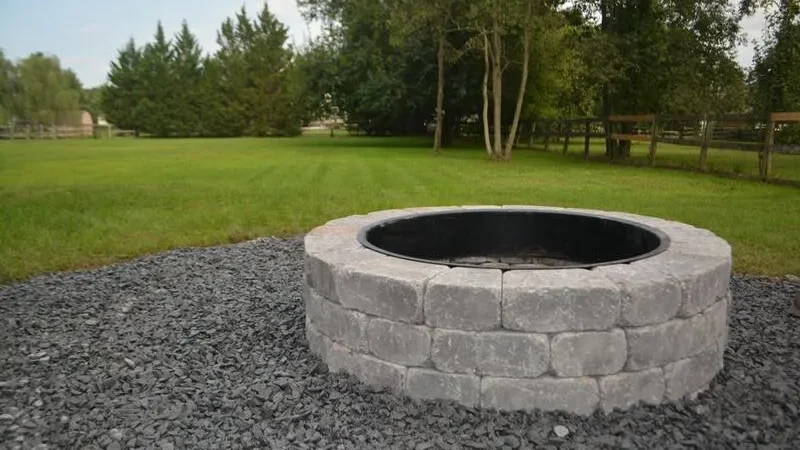
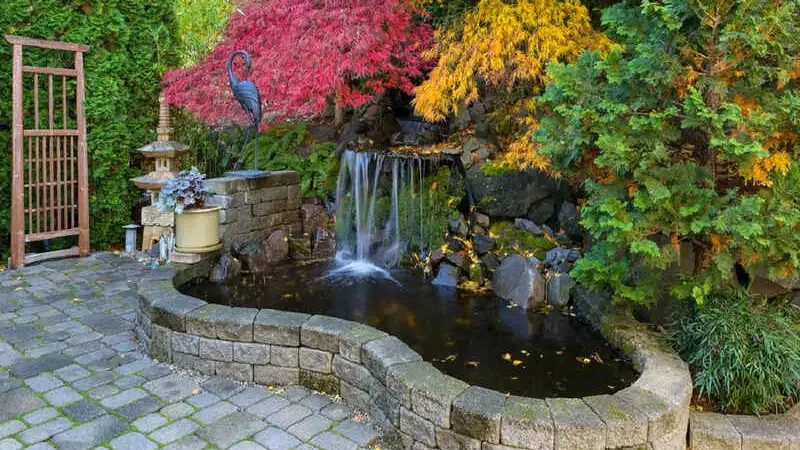
Fire pits and water features create atmosphere and make outdoor spaces feel complete. Whether it’s flickering flames or flowing water, these elements provide sensory appeal and visual focus.
Homeowners love them because they bring relaxation, warmth, and personality to a yard. Fire pits often become social hubs, while fountains and waterfalls offer calming sound and movement.
A frequent mistake is poor placement or ignoring safety clearances. In Montgomery County and Fairfax, open-flame rules may apply, and water features must account for drainage and electrical safety. Planning airflow and access helps avoid smoke issues and long-term wear.
Benefits of Hardscaping
Investing in a well-planned hardscaping design comes with multiple advantages that go beyond aesthetics. Choosing the right types of hardscaping helps homeowners create outdoor spaces that are durable, functional, and built for long-term performance.
- Durability – Each type of hardscape is built to withstand harsh weather, heavy use, and seasonal changes, providing long-lasting beauty with minimal maintenance.
- Added Value – A thoughtfully designed hardscape feature enhances curb appeal and increases property value, often delivering a strong return on investment when it’s time to sell.
- Environmentally Friendly – With proper installation, many types of hardscaping help reduce soil erosion and manage water runoff more effectively, supporting a more sustainable landscape.
- Functional Space – The right hardscaping design transforms unused yard areas into functional, inviting outdoor living spaces for relaxing, entertaining, and everyday use.
When to Call a Pro
DIY can handle smaller projects like gravel walkways or garden borders, but larger hardscape installations require more than effort alone. Patios, retaining walls, and outdoor kitchens depend on proper hardscaping design, including precise grading, compaction, and drainage, so each hardscape feature can withstand the DMV’s unpredictable conditions, from Maryland’s expanding clay soils to Virginia slopes and DC stormwater requirements. That’s where Blue Collar Scholars comes in, delivering locally engineered hardscaping built to last through heavy rain, summer heat, and icy winters.
It’s Time to Hard-Scape Your Dreams into Reality
Spring and summer schedules fill up fast across the DMV, and every patio, pathway, and retaining wall deserves to be built in the right season. Whether you’ve saved inspiration for a cozy fire pit, a clean paver driveway, or a full outdoor kitchen, Blue Collar Scholars brings those ideas to life with expert hardscaping design, quality craftsmanship, and materials chosen for our local climate.
It’s time to turn those plans into something solid and lasting. From the first layout to the final hardscape feature, everything we build is designed for Maryland clay, DC character, and Virginia terrain. Schedule a free on-site design consultation with Blue Collar Scholars, and let’s build something that holds up season after season.
Frequently Asked Questions
Are outdoor fire pits allowed in Maryland and Virginia?
Yes — but local codes vary. In Montgomery County and Fairfax County, open-flame fire pits often need to be a certain distance from structures and trees. Gas fire pits are generally permitted year-round since they produce less smoke. Always verify with your county’s fire marshal before building.
Do retaining walls need drainage behind them?
Absolutely. Retaining walls without drainage can trap water and fail over time — especially in our rain-heavy region. A proper wall includes gravel backfill, drain pipes, and filter fabric to release hydrostatic pressure. This prevents bulging and extends the wall’s life.
Can I DIY my hardscaping?
You can handle smaller features—like gravel walkways or garden borders—on your own. But anything that requires grading, drainage, or structural support (like patios, retaining walls, or outdoor kitchens) should be installed by professionals familiar with local soils, drainage, and permitting rules.
Does hardscaping increase home value?
Absolutely. Functional outdoor spaces—especially patios, decks, and driveways—consistently deliver strong ROI, often between 46% and 95% depending on the feature. Beyond resale numbers, well-planned hardscaping makes your home more usable and inviting year-round.
Ready to raise your home’s value and create a yard that works for your lifestyle? Schedule your free hardscaping estimate and explore the options that fit your property.