

Last summer, a storm rolled through Montgomery County and left a homeowner with muddy paths all over their yard. Another homeowner had guests hopping over puddles during a backyard BBQ and was left with a patchy mess afterward.
However, walkways would have kept everything clean and connected.
If you want a yard that feels easy to navigate and looks polished year-round, this guide will walk you through everything you need to know. From walkway ideas, to materials and pricing, let this be your all in one guide.
What Is a Walkway?
A walkway is a designed path that guides people through your yard, garden, or entryway. It creates structure, boosts curb appeal, and gives you clean, safe access across your property. Walkways can be straight, curved, modern, or rustic depending on your home and landscape.
Why Walkways Matter For Homeowners?
A walkway does more than show people where to walk. It helps control traffic flow, prevents erosion in high-traffic areas, and keeps your shoes clean during DMV rainstorms. It also simplifies navigation at night, especially when paired with lighting, and adds a finished look to your property.
In clay-heavy soils like those in Maryland, DC, and Virginia, walkways also protect your lawn from rutting and puddling during storms. According to the University of Maryland Extension, soils with high clay content drain poorly, stay sticky when wet, and harden significantly when dry. These conditions make proper base preparation essential for preventing water buildup and erosion.
Do You Need a Walkway?
Whether the flattened turf in your yard is taking over, or your old walkway just isn’t cutting it, the list below offers clear signs your yard needs a walkway makeover.
- Muddy tracks forming between your driveway and front door
- Worn grass paths where people naturally walk
- Pooling water around high-traffic zones
- Uneven or cracked existing pavers
- Landscaping that feels disconnected or unfinished
If your yard is somewhere in this list, it may be time to invest in a permanent solution.
Benefits of a Properly Built Walkway
Walkways offer more than just an immediate aesthetic boost to your yard, they are a functional and sturdy support pillar for your landscaping.
Here’s what you don’t want to miss out on:
- Cleaner access to your home
- Better curb appeal and higher resale value
- Safer footing during rain or snow
- Controlled foot traffic that protects your yard
- Better first impression for guests
Now that you know walkways truly are an all around bonus to your landscape, let’s get into the planning.
Popular Types of Walkways in the DMV
Walkways are a core element of hardscaping, working alongside patios, retaining walls, and outdoor living features to create structure and flow throughout your property. Each walkway design has its own style, performance benefits, and maintenance considerations depending on your home and landscape.
Paver Walkway
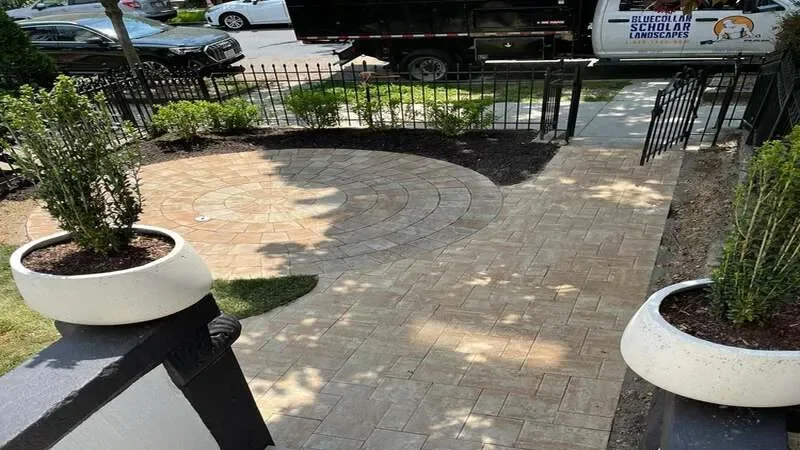
Paver walkways use interlocking concrete or stone pavers arranged in repeating or decorative patterns. They offer strong durability and a polished look, making them ideal for high-traffic areas and everyday use.
These walkways perform well in the DMV because the compacted base helps them handle freeze-thaw cycles without shifting. Popular design choices include herringbone, running bond, and basket weave patterns.
Flagstone Walkway
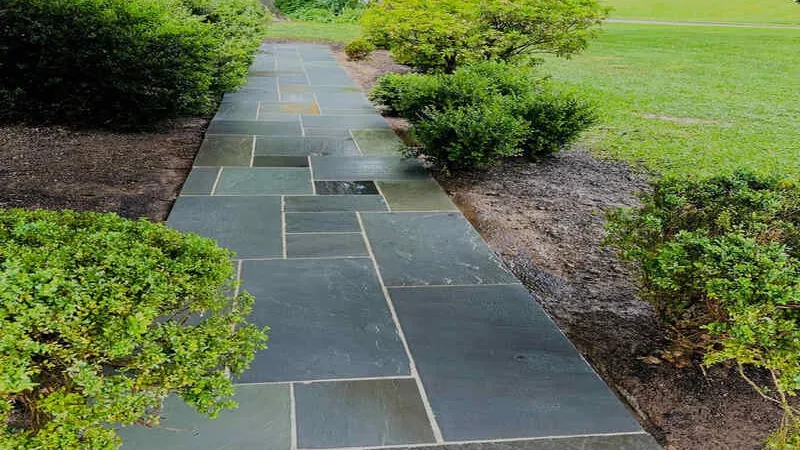
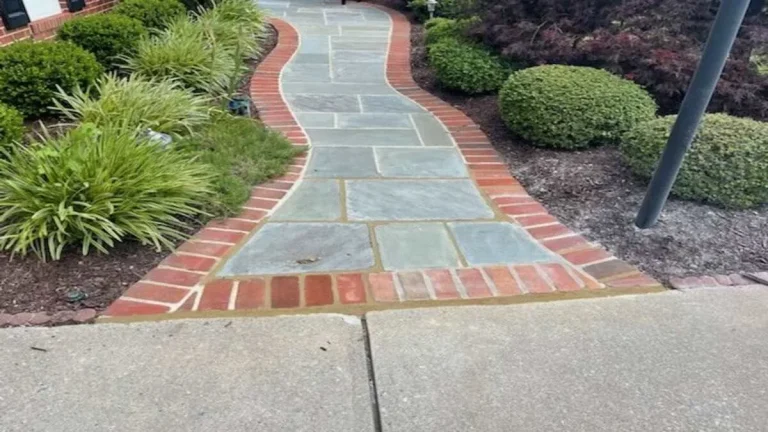
Flagstone walkways are built using natural stone pieces such as bluestone, steppers, or irregular slabs. They create a rustic, premium appearance with natural texture and variation.
In areas like Bethesda, Arlington, and Chevy Chase, they’re favored for complementing historic and upscale homes. Homeowners choose between irregular garden paths or more formal cut-stone layouts.
Gravel or Pea Gravel Walkway
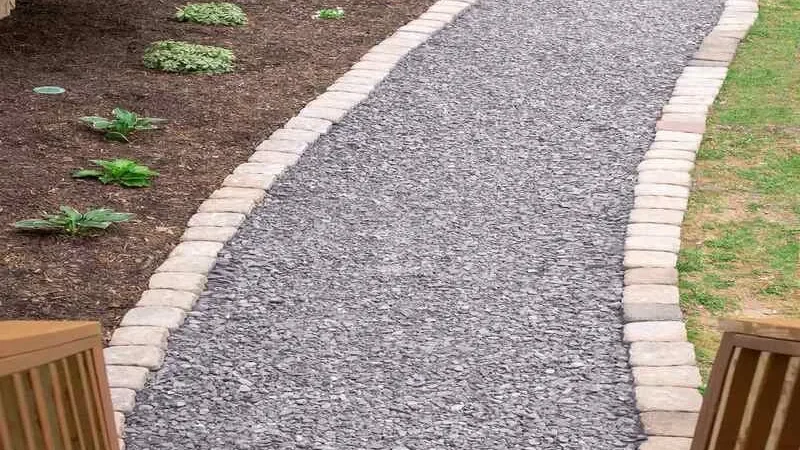
A gravel walkway uses loose stone set within edging or recessed channels to form a soft, natural-looking path. It’s affordable, quick to install, and works well for casual or garden-style walkways.
These paths perform especially well in larger Northern Virginia yards but require strong edging to keep the material contained. Homeowners often pair gravel with stepping stones or natural curves.
Concrete Walkway
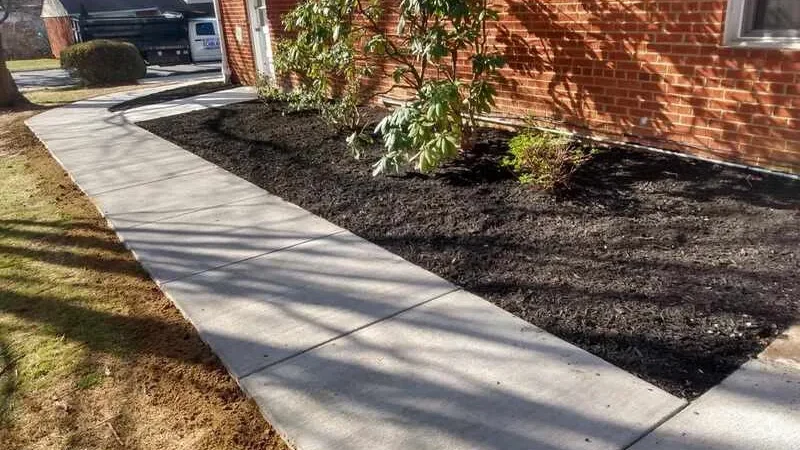
Concrete walkways are formed from poured concrete to create clean, simple, and highly durable pathways. They require little maintenance and match well with modern or minimalist home styles.
They handle high foot traffic and work well on sloped or uneven properties when graded properly for drainage. Many homeowners choose straight designs, gentle curves, or integrated control joints.
Stamped Concrete Walkway
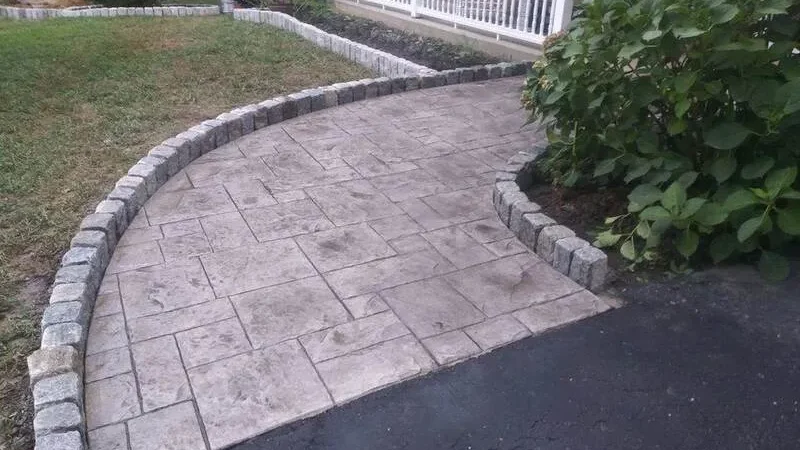
A stamped concrete walkway is a poured concrete path enhanced with textured patterns that mimic stone, brick, or tile. It gives the appearance of a higher-end material without the premium price tag.
This option is especially popular around patios and pool decks where homeowners want a unified look. Patterns and textures range from cobblestone to slate to wood-grain effects.
Brick Walkway
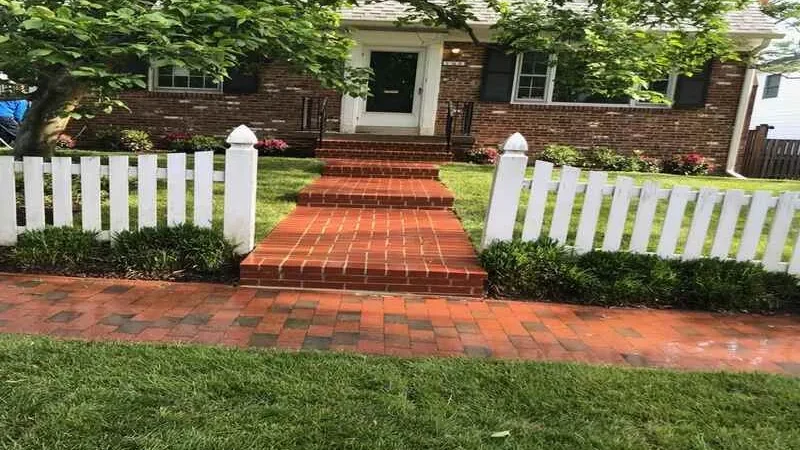
Brick walkways feature clay bricks arranged in traditional layouts that create a timeless, classic aesthetic. They work well for front entries, garden paths, and historic-style homes.
In older DC neighborhoods, brick is especially popular because it blends seamlessly with surrounding architecture. Homeowners often choose herringbone, stacked bond, or basket-weave patterns for added character.
Choosing the Right Walkway
Choosing a walkway material and design can feel daunting, especially if it’s on display in the front yard.
When selecting the best walkway for your home, consider the following:
- Your home’s style: Is your house modern with simple accents or a classic red brick? The answers to questions like these can help you pinpoint the design that will flow best with your home.
- Traffic patterns: How often is the path used? Higher traffic areas that may need to support strollers and guests need a sturdier, crack resistant surface.
- Slope and drainage: A flood prone area could need grading before the walkway installation or a new drainage system altogether.
- HOA rules: Some communities may have requirements on the design or size of the walkway.
- Whether it needs lighting: If the path will be used at night, adding lighting along the route will make for a safer trip.
- Climate exposure: Walkways that are exposed to the sun or are being built in a flood-zone should be planned carefully and built with appropriate materials and finishes.
When a walkway is built purposefully and with appropriate planning, it’s built to last. It is always important to speak to a professional who can understand your needs and factor your budget and personal taste into a solid plan.
Walkway Installation Process
Below is the typical step-by-step workflow for walkway construction.
- Design & layout: Measure, mark the path, confirm permitting if needed.
- Excavation & base prep: Dig to proper depth, install crushed stone base, compact thoroughly.
- Edging installation: Metal or concrete edging keeps borders clean and materials secure.
- Material installation: Set pavers, stone, or concrete formwork.
- Finishing: Fill joints: seal if needed, apply topsoil along edges.
Most walkway projects take 3 to 7 days, depending on material and weather.
Walkway Maintenance & Cleaning Instructions
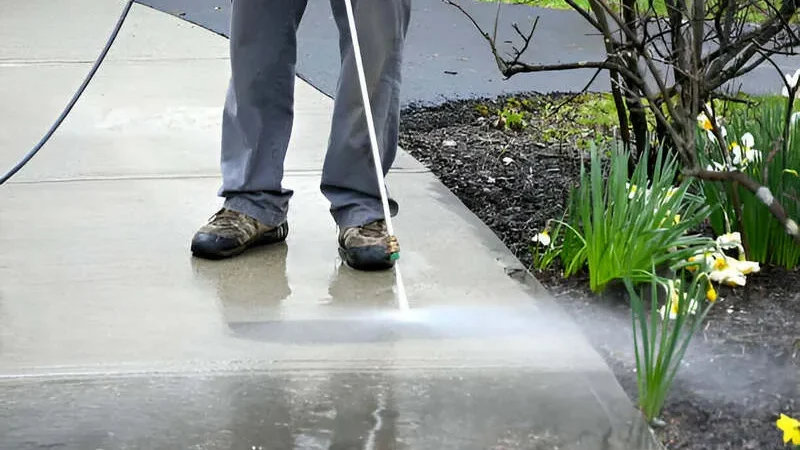
- Routine cleaning sweep debris weekly.
- Rinse with hose as needed.
- Use a gentle cleaner for stains.
- Seasonal Care: Inspect joints in spring after freeze cycles.
- Refill polymeric sand every few years for paver walkways.
- Seal concrete or flagstone every 2 to 3 years.
- For winter care: use calcium-based ice melt to avoid surface damage.
- Avoid metal shovels that can chip pavers or stone.
When to Call a Pro
You should bring in a professional if:
- Your yard has significant slope.
- You need drainage correction.
- You want a patterned or premium material.
- You want long-term durability without rework.
Let’s Get your Walkway Up and Running
Our professional walkway services are built to last in Maryland, Washington DC, and Northern Virginia weather. Blue Collar Scholars builds every walkway project with a three-year craftsmanship guarantee.
As your local hardscaping team with over 15 years of experience, we understand the clay-heavy soils, shade pockets, and drainage challenges common across the DMV.
It all starts with one small step, schedule your free estimate today.
Frequently Asked Questions
How long does it take to install a walkway?
Most walkway projects take 3 to 7 days to complete, depending on the material, weather conditions, and site access. Larger layouts or premium materials may require additional time for proper base preparation and finishing.
What walkway material lasts the longest?
Pavers and flagstone offer the longest lifespan in the DMV when installed over a properly compacted base. These materials handle freeze-thaw cycles and foot traffic better than most alternatives.
Do walkways help with drainage?
Yes. Proper grading and permeable walkway options help prevent puddles, erosion, and muddy areas around your home. A correctly built base allows water to drain away instead of pooling on the surface.
Can I mix materials in one walkway?
Yes. Many homeowners combine gravel with stone steppers or use pavers with stone borders to create visual interest. Mixing materials can also help define sections of the path and improve drainage.
Do I need a permit?
Most walkway installations do not require permits unless grading is altered or retaining features are added. Local county guidelines can vary, so it’s always smart to confirm requirements before construction begins.