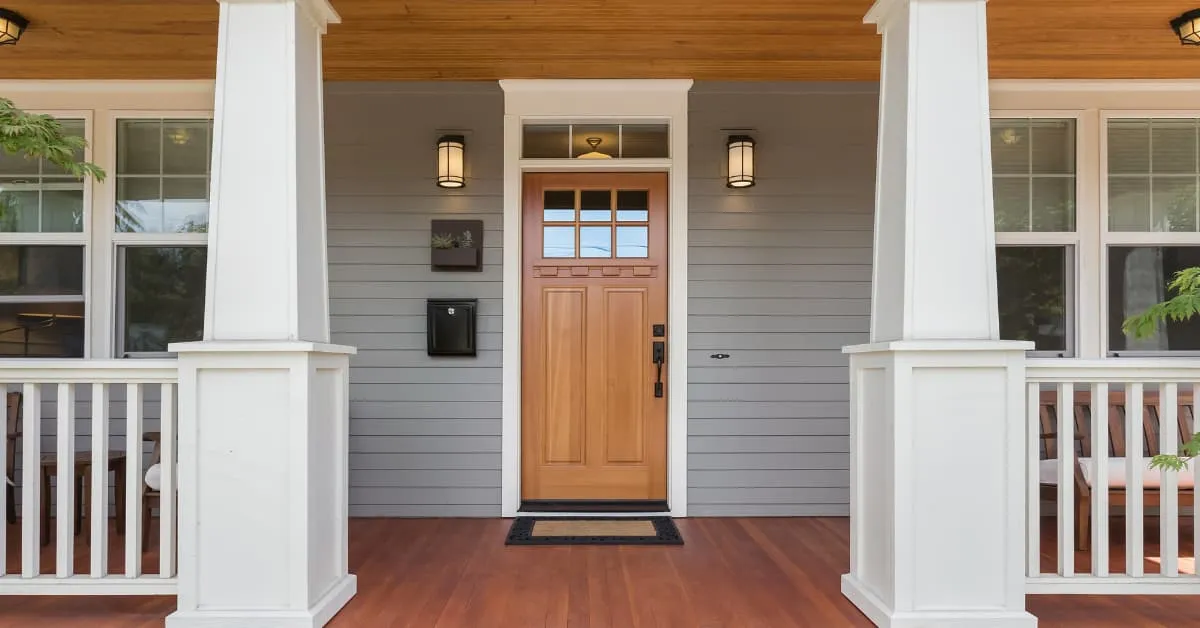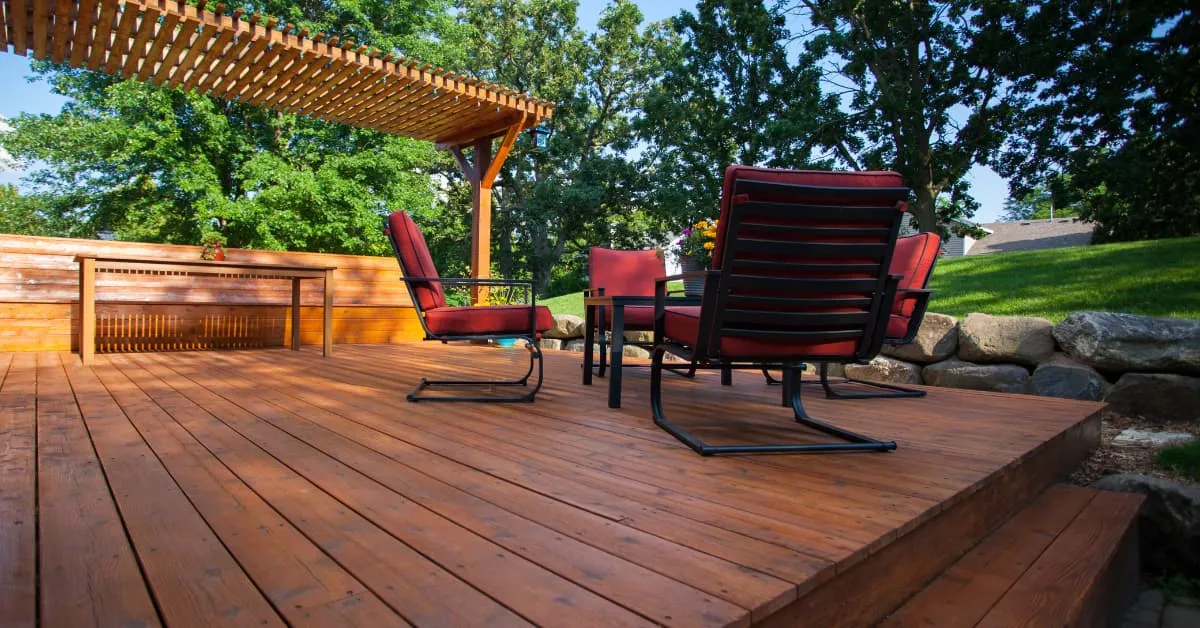


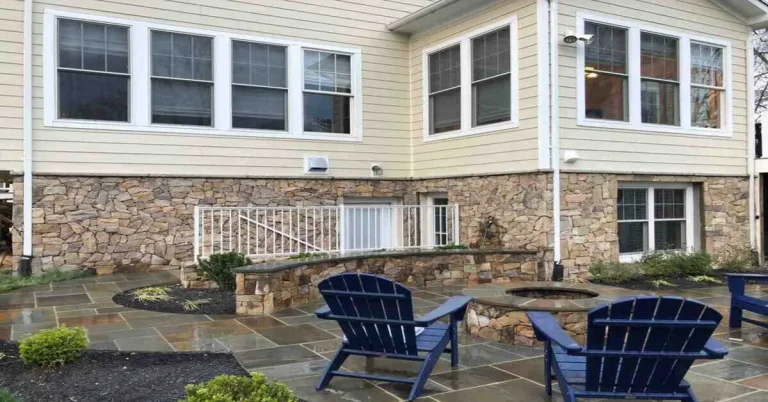
Last summer, a homeowner in Chevy Chase, Maryland, faced every gardener’s nightmare. A heavy storm swept through, and in one night, their perfectly manicured yard was destroyed. Their beautiful plants, garden beds, and fresh mulch were washed away, leaving a muddy, flooded mess. They thought that they had invested in all the right things. However, they overlooked the one critical element that could have held it all together: hardscaping.
This is a common blind spot for many of us who dream of a beautiful outdoor space. We focus on the flowers and the lawn, but we forget the foundation. By the end of this guide, you’ll understand precisely what hardscaping means, how it fits within the bigger picture of landscaping and softscaping, and why it’s essential for creating a strong, balanced outdoor space.
What is Hardscaping?
Hardscaping refers to the non-living, permanent structures that form the physical framework of your outdoor space. These are the built features made from materials like stone, concrete, wood, brick, metal, and gravel that shape how your yard looks and functions.
Hardscaping provides structural support and long-term durability. It controls drainage, prevents erosion, improves access, and defines how space is used. Without solid surfaces and structures in place, outdoor areas become muddy, unstable, and prone to water damage and foundation issues over time.
Examples of hardscaping includes:
- Patios
- Decks
- Pergolas
- Driveways
- Retaining walls
- Walkways and garden paths
- Fire pits and outdoor kitchens
What is Softscaping?
Softscaping refers to the living, organic elements that bring life and movement into your outdoor space. This includes plants, soil, trees, shrubs, grass, flowers, and mulch that add color, texture, and natural beauty.
Softscaping balances hard surfaces and improves comfort. It supports healthier air, cools the environment, absorbs rainfall, and encourages natural wildlife. When designed correctly, softscaping also helps prevent runoff and improves how your yard feels year-round.
Examples of softscaping include:
- Lawns and turf areas
- Trees and large shurbs
- Flower beds and gardens
- Plant borders and hedges
What is Landscaping?
Landscaping is the complete planning and design process that combines hardscaping and softscaping into one working system. It is the strategy behind how structure and nature are arranged to create a functional and attractive outdoor environment.
Landscaping determines long-term performance. It affects drainage, safety, appearance, comfort, and property value. A proper design prevents mistakes by accounting for slope, sunlight, soil, and how you actually use your space. When done right, your yard becomes an extension of your home. When done wrong, problems appear fast.
Examples of landscaping includes:
- Outdoor lighting design
- Overall yard design and layout
- Lawn renovation and upgrades
- Drainage and yard grading strategies
Hardscaping vs Softscaping vs Landscaping: What’s the Difference?
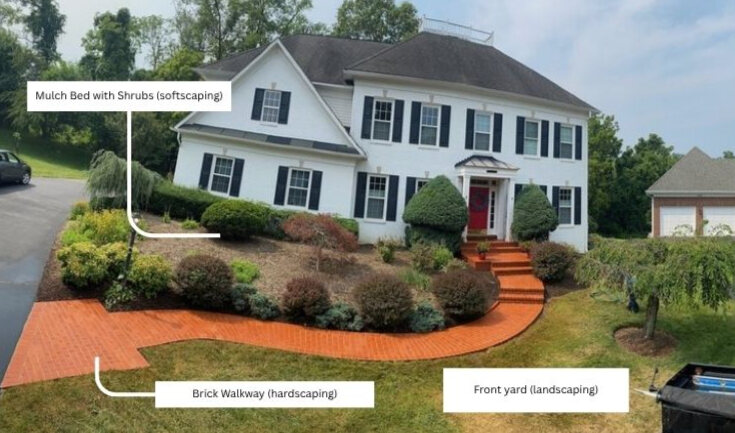
Most people use the word landscaping as a catch-all term for everything in their yard, but that is not quite accurate. While all three work together, hardscaping, softscaping, and landscaping each serve a distinct purpose. Understanding the difference helps you make better decisions about design, budgeting and long-term maintenance.
Think about it this way. Hardscaping provides structure. Softscaping adds life. Landscaping creates the plan that organizes both. When one is missing, outdoor spaces tend to fail visually and functionally. Below is a clear side-by-side breakdown that explains how each one contributes to a successful landscape.
| Features | Hardscaping | Softscaping | Landscaping |
|---|---|---|---|
| What it refers to | Built, non-living features | Living, natural elements | Design and planning system |
| Purpose | Stability and durability | Beauty and comfort | Coordination and function |
| Materials | Stone, concrete, wood, brick | Plants, soil, grass, mulch | Layout and strategy |
| Seasonal changes | No | Yes | No |
| Affects drainage | Yes | Sometimes | Always |
| Directly increases usability | Yes | Partially | Yes |
| Long-term impact | Structural integrity | Environmental health | Property value |
| Examples | Patios, decks, walls | Trees, lawns, gardens | Layout, grading, lighting |
Hardscaping
- What it refers toBuilt, non-living features
- PurposeStability and durability
- MaterialsStone, concrete, wood, brick
- Seasonal changesNo
- Affects drainageYes
- Directly increases usabilityYes
- Long-term impactStructural integrity
- ExamplesPatios, decks, walls
Softscaping
- What it refers toLiving, natural elements
- PurposeBeauty and comfort
- MaterialsPlants, soil, grass, mulch
- Seasonal changesYes
- Affects drainageSometimes
- Directly increases usabilityPartially
- Long-term impactEnvironmental health
- ExamplesTrees, lawns, gardens
Landscaping
- What it refers toDesign and planning system
- PurposeCoordination and function
- MaterialsLayout and strategy
- Seasonal changesNo
- Affects drainageAlways
- Directly increases usabilityYes
- Long-term impactProperty value
- ExamplesLayout, grading, lighting
Why Hardscaping Matters for Your Home
Hardscaping isn’t just for the aesthetic appeal, but gives your outdoor space structure and reliability. It protects your home, improves how you use your yard, and adds long-term value that landscaping alone can’t provide.
Low Maintenance
A yard full of grass and bare soil requires constant care. Hardscaping replaces those high-maintenance areas with durable surfaces that need far less attention. With fewer chores like mowing, watering, and re-mulching, your outdoor space stays clean without the work.
Increased Home Value
First impressions matter, and a home that looks neglected almost always feels less valuable to buyers. Hardscaping makes your property look finished, well cared for, and move-in ready through features like patios, walkways, and retaining walls. According to NAR’s Outdoor Features Report (2023), over 90% of realtors recommend outdoor remodeling projects like hardscaping because they significantly boost curb appeal and resale value.
Curb Appeal That Last
Curb appeal isn’t just about looking good today, it’s about staying attractive year-round. Hardscaping gives your yard clean edges, defined spaces, and strong visual structure that doesn’t fade with the seasons. Flagstone, pavers, and concrete help your property always look neat, intentional, and well maintained.
Improved Functionality
A yard should be more than something you look at from inside the house. Hardscaping turns unused space into patios, steps, walkways, and gathering areas that make your home easier to enjoy. It improves flow through your property and makes every part of your yard usable.
Erosion Control and Drainage
Poor drainage can quietly damage your yard and your home over time. Hardscaping helps control how water moves across your property by directing runoff away from your foundation and low areas. Retaining walls, paver systems, and proper yard grading prevent erosion and keep soil from washing out during heavy rains.
Popular Outdoor Structure Types
There are many different types of hardscaping that shape how your yard looks, feels, and functions. These built features do more than decorate your property. They guide foot traffic, manage drainage, control erosion, and create usable outdoor living spaces. Choosing the right structure helps turn unused or awkward areas into organized, attractive spaces that add comfort and long-term value to your home.
Common Types of Hardscaping:
- Decks
- Patios
- Fire Pits
- Pergolas
- Walkways
- Driveways
- Retaining Walls
- Outdoor Kitchens
If you’re unsure which layout or materials make sense for your property, our professional hardscaping services in Maryland, DC, and Northern Virginia can help you plan the right solution based on how you actually use your yard.
Hardscaping Cost
Hardscaping costs depend on materials, project size, drainage requirements, and how customized your design becomes, but permits and inspections can also affect your budget. In Maryland, DC, and Northern Virginia, certain projects like retaining walls, decks, grading work, and drainage improvements may require local approval, which adds time and administrative cost to the process. Understanding permit requirements upfront helps prevent delays, fines, and expensive corrections after construction begins.
Hardscaping Maintenance Tips
After installing your new hardscaping, you might be asking yourself:
How do I keep my hardscaping structure from getting dirty?
Here’s a quick checklist:
- Power wash yearly to remove dirt and buildup.
- Reseal pavers and concrete every 3-5 years to extend life.
- Refill paver joints with polymeric sand when needed.
- Inspect all structures after storms for cracks or shifting.
- Avoid bleach or harsh chemicals. Use mild dish soap or vinegar cleaners.
For surrounding plants and mulch beds, water as needed and trim seasonally. Refresh mulch to maintain a polished appearance.
Upgrade Your Outdoors Today!
Ready to put your new hardscaping knowledge to work? Let’s turn those ideas into something built to last. With over 15 years of experience, Blue Collar Scholars make hard work look good and stand behind every project with a rock-solid warranty. From design to installation, our focus is simple: build hardscaping that holds up, adds value, and makes your outdoor space easier to enjoy every day.
Why wait? Schedule your free hardscaping estimate today! Your estimate costs nothing and could change everything about how you use your yard. We’ll walk your property with you, listen to your ideas, and give you honest guidance on the best hardscaping solutions for your home. No pressure, no sales talk. Just clear answers from professionals who build across Maryland, Washington D.C., and Northern Virginia.
FAQs
How long does a hardscape project take to complete?
Most hardscape projects take 3–10 days after permits are approved, depending on size, materials, and site conditions. Small patios can wrap up within a week, while multi-feature builds like patios with walls and steps may take longer. You’ll receive a clear timeline before work begins so you know exactly what to expect.
What materials work best for Maryland’s clay soil?
Pavers, natural stone, and a properly engineered base perform best on clay-heavy soils. These materials hold up to freeze-thaw cycles and manage water movement more effectively than plain concrete. Proper grading and base prep are what protect your investment long term.
Do I need a permit for hardscaping?
Some DMV jurisdictions require permits for larger retaining walls, decks, and drainage-related work. Local rules vary by county and city, especially in Washington DC and older neighborhoods in Maryland and Northern Virginia. Permit checks and code compliance are handled for you so there are no surprises.
How do I maintain my hardscape once it is installed?
Plan to power wash surfaces once a year and reseal pavers every 3–5 years. Refresh polymeric joint sand as needed to prevent weed growth. Avoid harsh chemicals and heavy de-icing salts during winter to protect the finish.