


Last spring, I walked through a Bethesda home where the family had been living with a cramped kitchen for eight years. The wife mentioned how she’d stopped cooking elaborate meals because there simply wasn’t enough counter space. The husband talked about working from the dining table because they had no proper home office. Their teenage daughter had been sharing a bathroom with her younger brother, leading to daily morning battles.
Six months later, I returned to see their completed renovation. The kitchen now flows seamlessly into a family room addition. A dedicated home office sits quietly tucked away from the main living areas. The kids each have their own bathroom space. But what struck me most was the relief in their voices when they said, “We can finally live the way we want to live.”
That’s what home improvement in Maryland really comes down to – creating spaces that work for your family’s actual life, not just looking pretty in photos. If you’re experiencing signs you might need a home addition or renovation, you’re not alone.
Why Maryland Homeowners Choose Home Improvement Over Moving
Maryland’s housing market presents unique challenges. In Montgomery County, the median home price has reached $1.65 million in areas like Bethesda and Potomac. Moving costs have increased 30% over the past three years when you factor in realtor fees, moving expenses, and the stress of finding exactly what you want in the right school district.
Here’s what I’ve learned from working with hundreds of Maryland families: most already live where they want to live. They’ve found their neighborhood, their schools, and their community connections. The house just needs to catch up with their lives.
Consider the math. A family in Chevy Chase looking to upsize might face a $200,000 to $300,000 price jump for more space. But a well-planned home addition typically costs $150,000 to $250,000 while adding comparable square footage – and you get to design it exactly how you want it.
Maryland’s older housing stock creates natural renovation opportunities. Many homes built in the 1970s and 1980s feature closed-off kitchens, small master suites, and formal living rooms that families rarely use. These layouts made sense 40 years ago. They don’t make sense for how people live today. Unfinished basements present another common opportunity – transforming unused square footage into functional living space through professional basement finishing often costs 30-40% less per square foot than building an addition while adding comparable value.
The climate here also supports year-round construction, unlike northern states where winter weather halts projects for months. This means more predictable timelines and fewer weather-related delays.
Understanding Maryland Home Improvement Commission (MHIC) Requirements
Maryland’s contractor licensing system, administered by the Maryland Home Improvement Commission, provides consumer protections unavailable in most states. Every contractor performing work exceeding $500 must hold an active MHIC license and meet strict financial and insurance requirements.
You can verify any contractor’s MHIC license status at labor.maryland.gov/license/mhic by searching their name or license number. Active licenses display current status, insurance coverage, and any past violations or Guaranty Fund claims.
What MHIC License Verification Reveals
Critical Information Available Through MHIC Database
- License Status: Active, suspended, or revoked – never hire suspended contractors
- Insurance Coverage: As of June 2024, minimum $500,000 general liability required
- Violation History: Past complaints, fines, or license suspensions
- Guaranty Fund Claims: Outstanding claims from homeowners (red flag if multiple)
- License Duration: How long the contractor has been licensed (experience indicator)
In 2023-2024, MHIC suspended major contractors including Elite Remodeling LLC, Liberty Garages, and Stone Guys, leaving hundreds of homeowners with incomplete projects. While Maryland’s Guaranty Fund provided compensation up to $30,000 per homeowner, prevention through proper contractor vetting remains your best protection.
New 2024 Insurance Requirements
Effective June 1, 2024, Maryland law requires all home improvement contractors to maintain general liability insurance of at least $500,000 – a tenfold increase from the previous $50,000 requirement. This significant change provides homeowners with substantially better protection against property damage, injuries, and construction-related incidents.
Maryland’s Contractor Licensing System: Your Primary Protection
Maryland requires all contractors performing work over $500 to be licensed through the Maryland Home Improvement Commission (MHIC). This isn’t just bureaucratic red tape – it’s your primary protection as a homeowner.
What MHIC License Requirements Really Mean for Your Project
| Requirement | What It Protects You From | How to Verify |
|---|---|---|
| $500,000 General Liability Insurance (effective 2024) | Property damage during construction, injuries on your property | Request current certificate of insurance, verify directly with insurance company |
| $20,000 Financial Solvency or Bond | Contractor abandoning job mid-project due to financial problems | Automatically verified during MHIC licensing process |
| Passed PSI Licensing Exam | Contractors who don’t understand Maryland building codes and regulations | Verify license status at labor.maryland.gov/license/mhic/ |
| Guaranty Fund Contribution | Poor workmanship or contract violations – access to $30,000 protection fund | Automatic coverage for all licensed MHIC contractors |
Maryland’s Guaranty Fund: Protection Other States Don’t Offer
Maryland provides a unique safeguard for homeowners through the MHIC Guaranty Fund. This fund, supported by licensed contractor contributions, compensates homeowners for actual monetary losses due to poor workmanship or failure to perform a home improvement contract.
Key Protection Details:
- Maximum recovery: Up to $30,000 per homeowner
- Covers only work done by licensed MHIC contractors
- Applies to poor workmanship and contract violations
- Claims must be filed within specific timeframes
- Proportionate payment if multiple claims exceed fund availability
In 2023-2024, MHIC suspended multiple contractors including Elite Remodeling, Liberty Garages, and Stone Guys, with hundreds of homeowners filing claims. While the Guaranty Fund helped many recover losses, prevention through proper contractor vetting remains your best protection.
2024 Update – Recent Maryland Contractor Suspensions
According to the Maryland Home Improvement Commission, several major contractors faced license suspensions in 2023-2024:
- Elite Remodeling LLC (License suspended Sept 2023) – Hundreds of Guaranty Fund claims filed, proportionate payment authority exercised
- Liberty Garages (License suspended 2024) – Multiple homeowner complaints for incomplete work
- Stone Guys (License suspended 2024) – Contract violations and failure to complete projects
- Catalina Pool Builders LLC (Suspended Oct 2022) – Ongoing Guaranty Fund claims, deadline Dec 31, 2024
- BOJ & Sons Construction LLC (Suspended Oct 2021) – Guaranty Fund claim deadline Sept 4, 2024
Always verify current license status at labor.maryland.gov/license/mhic before signing any contract. Search by contractor name or license number to check for active status, violations, or pending Guaranty Fund claims.
Understanding Home Improvement Costs in Maryland
Let me be direct about pricing because this is where most homeowners get surprised. Maryland’s labor costs and permit requirements mean projects cost more than you might expect from national averages – but they also tend to add more value than in other markets.
Maryland Home Improvement Costs vs. Surrounding States
| Project Type | Maryland (Montgomery Co) | Virginia (Fairfax) | National Average | Why MD Costs More |
|---|---|---|---|---|
| Kitchen Remodel (full) | $125,000-$200,000 | $110,000-$180,000 | $75,000-$150,000 | Higher labor rates ($75-95/hr), stricter building codes, premium materials to match neighborhood standards |
| Master Bath Addition | $50,000-$75,000 | $45,000-$70,000 | $35,000-$60,000 | Complex plumbing code requirements, waterproofing standards, permit fees $1,200-$3,000 |
| 400 sq ft Home Addition | $120,000-$160,000 | $100,000-$140,000 | $80,000-$120,000 | Foundation requirements for freeze-thaw cycles, architectural matching standards, HOA approval processes |
| Basement Finishing | $50,000-$125,000 | $45,000-$110,000 | $40,000-$95,000 | Waterproofing requirements, egress window regulations, moisture control systems |
Regional Cost Differences Within Maryland
| County/Region | Avg Permit Timeline | Cost vs. Montgomery County | Key Considerations |
|---|---|---|---|
| Montgomery County | 6-8 weeks | Baseline (highest) | Strictest building codes, HOA architectural reviews common, premium labor market |
| Fairfax County (VA) | 4-6 weeks | -10% | Faster permit processing, similar quality standards, competitive contractor market |
| Prince George’s County | 5-7 weeks | -15% | More flexible code interpretation, growing renovation market, lower labor costs |
| Anne Arundel County | 4-6 weeks | -15% | Historic district reviews in Annapolis, waterfront property considerations |
These numbers reflect actual project costs from our experience. The key is understanding what drives costs in Maryland: permit fees in Montgomery County can reach $8,000 to $12,000 for major additions, skilled labor commands premium wages, and material delivery costs more due to traffic and accessibility challenges. Outdoor living projects like custom deck construction or professional patio installation typically require fewer permits and shorter timelines than interior renovations, making them popular starting points for homeowners new to the renovation process.
Get Your Free Maryland Project Estimate
Common Mistakes Maryland Homeowners Make With Renovations
After seeing hundreds of projects across the DMV region, certain mistakes appear repeatedly. The biggest one? Starting construction without addressing the real problem.
I’ve watched families spend $80,000 renovating a kitchen without considering traffic flow through the house. The new kitchen looks beautiful, but people still bump into each other during busy mornings because the fundamental layout issues weren’t solved.
Permit and Planning Oversights
Another common mistake: underestimating the permit process. Montgomery County requires permits for most structural work, electrical updates, and plumbing changes. The permit review can take 6-8 weeks, and starting work without permits can result in stop-work orders, fines, and serious complications when selling your home.
For detailed guidance on navigating this process, read our comprehensive guide to understanding home addition permits in Montgomery County, which covers everything from application requirements to inspection schedules.
Maryland homeowners also frequently underestimate how disruptive construction can be. Living through a kitchen renovation means 8-12 weeks without your primary cooking space. Basement projects often require rerouting utilities, affecting your whole house. Planning temporary solutions upfront prevents major frustration later.
Budget and Timeline Reality Checks
Budget mistakes happen when homeowners focus only on the visible elements. They budget for new cabinets but forget that old electrical systems might need updates to handle modern appliances. They plan for beautiful tile work but don’t account for waterproofing behind shower walls. In Maryland’s older housing stock, hidden issues like foundation settlement or structural concerns often surface during renovations, requiring immediate attention before cosmetic work can proceed.
Timeline expectations often miss the mark, too. A bathroom renovation typically takes 6-8 weeks from start to finish, not the 3 weeks you might see on TV. Custom millwork, special-order fixtures, and permit approvals all add time.
How to Choose Licensed Home Improvement Contractors in Maryland
Contractor selection determines whether your project succeeds or becomes a nightmare. Maryland’s licensing system provides strong consumer protection, but only if you use it correctly.
Essential Credentials and Insurance Requirements
Maryland requires all contractors performing work over $500 to hold an MHIC license. As of June 2024, new regulations require contractors to maintain general liability insurance of at least $500,000 – a significant increase from the previous $50,000 requirement.
Always verify insurance certificates directly with the insurance company, not just from the contractor’s copy. According to the Montgomery County Office of Consumer Protection, this verification step prevents one of the most common contractor fraud tactics.
Local experience makes a significant difference. A contractor who regularly works in Montgomery County understands the permit process, knows which inspectors to expect, and has relationships with reliable subcontractors. They understand that parking restrictions in Bethesda require different logistical planning than work in more rural areas.
Evaluating Past Work and References
Ask for references from projects completed within the last two years in your specific area. Visit completed projects if possible. Talk to homeowners about communication, timeline adherence, and how problems were handled when they arose.
References from suppliers and subcontractors provide insight too. Contractors who pay bills promptly and treat workers well typically deliver better results than those with difficult reputations in the trade community.
Check online reviews on multiple platforms – Google, Yelp, Houzz, and Better Business Bureau of Greater Maryland. Look for patterns in feedback rather than focusing on individual reviews. Consistent complaints about communication, timelines, or quality signal real problems.
🚩 Red Flags That Should Stop You From Hiring
Immediate Dealbreakers:
🚫
No MHIC license number on estimate – This is illegal in Maryland for projects over $500. Report unlicensed contractors to MHIC immediately.
🚫
Requests 50%+ payment upfront – Maryland law limits initial payments. Large upfront requests often indicate cash flow problems.
🚫
“We’ll handle permits after we start” – Permits must be secured BEFORE construction begins. Starting without permits risks stop-work orders.
🚫
No physical business address – PO boxes or residential addresses only raise questions about business legitimacy.
🚫
Pressure to sign same day – Reputable contractors understand you need time to review proposals and check references.
Warning Signs (proceed with extreme caution):
⚠️
Can’t provide current proof of insurance – As of 2024, Maryland requires $500,000 general liability coverage for all MHIC contractors.
⚠️
No local references from the last 2 years – References from distant locations or years ago aren’t relevant to current work quality.
⚠️
Unwilling to put timeline in writing – Verbal promises mean nothing when disputes arise. Everything should be documented.
⚠️
Takes days to return calls during sales process – Communication problems during sales will only worsen during construction.
Why This Matters: In 2023-2024, MHIC suspended multiple major contractors (Elite Remodeling, Liberty Garages, Stone Guys) leaving hundreds of homeowners with incomplete projects and financial losses. While the Guaranty Fund provided some relief, many homeowners still lost significant money. Prevention through careful vetting is always better than recovery.
Work With Licensed Maryland Contractors
Planning Your Maryland Home Improvement Timeline
Maryland home improvement projects require more planning time than homeowners typically expect. Understanding realistic timelines – including common delays – helps you plan appropriately and reduce frustration.
Complete Maryland Project Timeline With Common Delays
Planning Phase: 8-12 Weeks
Weeks 1-3: Initial design and planning, contractor consultations, budget development
Weeks 4-6: Permit application submission to Montgomery County or local jurisdiction
Weeks 7-12: Material ordering and delivery coordination
• Custom cabinets: 8-12 weeks lead time
• Windows and doors: 6-10 weeks during peak season
• Specialty fixtures: 4-8 weeks
Construction Phase: Project Dependent
Kitchen Renovation: 8-12 weeks
Bathroom Renovation: 6-8 weeks
Home Addition: 16-24 weeks
If you’re planning an addition, understanding proper drainage solutions from the start prevents costly corrections later.
Basement Finishing: 10-14 weeks
Closeout Phase: 2-4 Weeks
Week 1-2: Final inspections and approval from Montgomery County or local jurisdiction
Week 2-3: Punch list completion – addressing minor items
Week 3-4: Final walkthrough, documentation, and certificate of occupancy (if required)
Best Time to Start Your Maryland Home Improvement Project
Spring (March-May) – ⭐⭐⭐⭐⭐
Plan in spring for summer construction. Ideal weather for additions and exterior work. Material availability is high, but contractor schedules fill quickly. Start planning 3-4 months ahead.
Summer (June-August) – ⭐⭐⭐⭐
Excellent for outdoor projects and additions. Indoor work can be challenging during extreme heat. High contractor demand may mean premium rates or longer wait times.
Fall (September-November) – ⭐⭐⭐⭐⭐
Optimal for interior projects. Comfortable working temperatures. Plan now for winter/spring construction starts. Often the best contractor availability and competitive pricing.
Winter (December-February) – ⭐⭐⭐
Interior work only – no additions or exterior projects. Possible contractor discounts due to lower demand. Holiday schedules can complicate timelines. Weather delays minimal for indoor-only projects.
Making Your Home Addition Blend With Maryland Architecture
Maryland’s diverse architectural styles – from Colonial and Georgian in older neighborhoods to Contemporary and Craftsman in newer developments – require careful attention to design integration.
The key to successful additions lies in studying your home’s existing proportions, materials, and design elements. A successful addition looks like it was always part of the original house, not something that was stuck on later.
Roofline integration matters most for visual continuity. Extensions should follow the same roof pitch and style as the existing structure. Materials should match – not just in color, but in texture, size, and installation pattern. If your house has brick, the addition should use matching brick in the same bond pattern.
Window placement and sizing should follow the existing rhythm. If your house has double-hung windows in a particular proportion, the addition should continue that pattern. New windows don’t have to be identical, but they should be compatible in style and scale.
Interior Flow and Systems Integration
Interior integration matters just as much as exterior appearance. New spaces should flow logically from existing rooms. Ceiling heights should match or transition naturally. Flooring, trim, and paint colors should create visual continuity throughout the house. Professional architectural design services ensure these details are planned before construction begins, preventing costly mid-project adjustments and ensuring seamless integration between old and new spaces.
HVAC and electrical integration require planning during design. New spaces need adequate heating, cooling, and electrical service. This often means upgrading existing systems, not just extending them. Many older Maryland homes require electrical panel upgrades to handle modern additions safely.
Maximizing ROI on Maryland Home Improvement Projects
Maryland’s strong real estate market rewards smart home improvement investments, but not all renovations return equal value. Understanding which projects add the most value helps you make decisions that benefit both your lifestyle and your financial position.
High-Return Interior Projects
Kitchen renovations consistently provide strong returns in Maryland markets. A well-executed kitchen remodel typically returns 70-80% of its cost at resale. The key is balancing personal preferences with broad market appeal. High-end appliances, quality cabinetry, and durable surfaces appeal to most buyers.
Bathroom additions and renovations also provide solid returns, especially in homes with fewer than 2.5 bathrooms. Adding a bathroom where one doesn’t exist typically returns 80-90% of the cost. Renovating existing bathrooms returns 60-70%.
Adding Square Footage and Outdoor Living
Home additions add value roughly proportional to their cost, but the return depends heavily on execution quality and neighborhood compatibility. A well-designed family room addition typically adds 75-85% of its cost in value. Master suite additions often return 70-80%.
Basement finishing provides good value for the investment, typically returning 60-75% of costs. Maryland’s climate makes finished basements usable year-round, unlike regions where dampness is a constant problem.
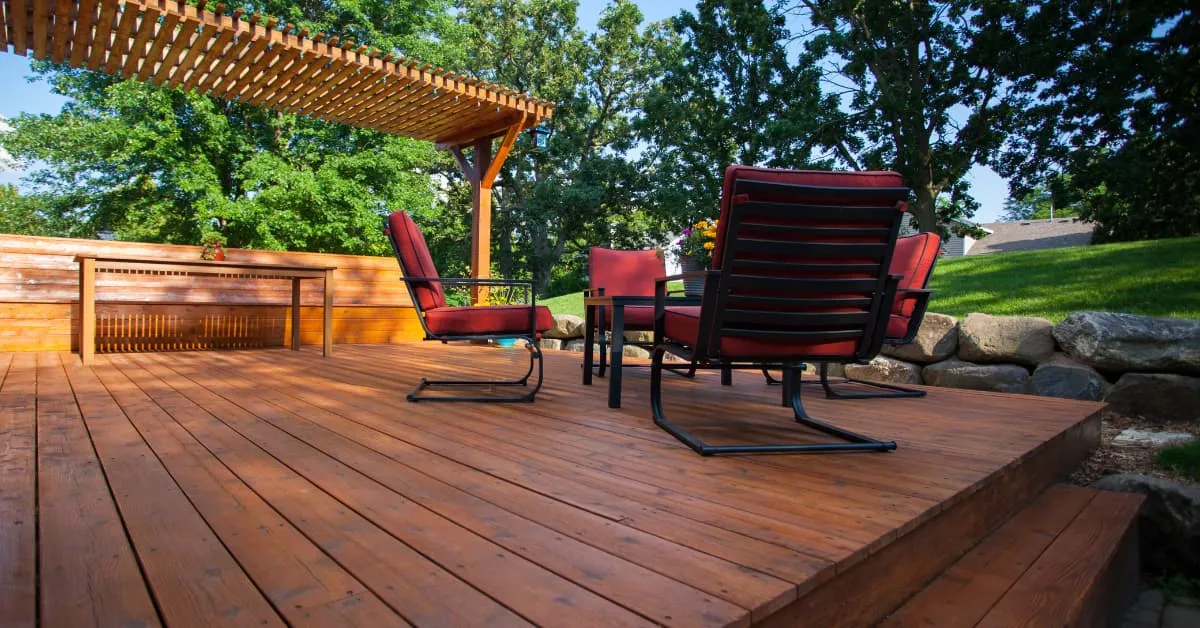
Outdoor living spaces have gained significant value in Maryland’s market. Quality deck and patio projects typically return 65-75% of their cost, with higher returns in neighborhoods where outdoor entertaining is common. Screened porch additions offer particularly strong ROI in the DMV region, providing three-season outdoor enjoyment while protecting against Maryland’s humid summers and autumn insects, typically returning 70-80% of investment costs.
Energy Efficiency and Market Considerations
Energy efficiency improvements provide ongoing value through reduced utility costs, plus appeal to environmentally conscious buyers. Windows, insulation, and HVAC upgrades might return 60-70% of their cost directly, but they make homes more attractive to buyers and can speed up sales.
Projects with lower returns include swimming pools (30-40% return in Maryland), luxury features that exceed neighborhood norms, and over-personalized designs that appeal to limited buyer segments.
Choosing the Right Home Improvement Project for Your Maryland Home
Not every home improvement project makes sense for every situation. Understanding which renovation delivers the best combination of lifestyle improvement and financial return helps you make smarter decisions about where to invest your renovation budget.
When to Choose Interior Renovations
Interior renovations make the most sense when you love your location and neighborhood but your home’s layout no longer serves your family’s needs. Kitchen and bathroom remodels address daily frustrations immediately – you’ll experience the benefits every single day rather than waiting for resale.
Families working from home often find that finished basement spaces provide the dedicated office or quiet work zones they need without the disruption of adding square footage to their home’s footprint. Maryland’s climate makes basements comfortable year-round, unlike regions where below-grade spaces remain perpetually damp.
When Outdoor Living Projects Deliver the Most Value
Maryland’s temperate climate supports outdoor living from April through October – nearly seven months of usable outdoor space. Families who entertain frequently or have school-age children often see the highest satisfaction from outdoor improvements.
A professionally designed deck or patio creates immediate lifestyle value while typically requiring shorter timelines and simpler permits than interior renovations. Montgomery County permits for outdoor living spaces often process in 3-4 weeks compared to 6-8 weeks for home additions.
Screened porches offer particular value in the DMV region, extending outdoor enjoyment through Maryland’s humid summers and protecting against seasonal insects. The investment typically returns 70-80% at resale while providing immediate quality-of-life improvements for your family.
Addressing Structural Issues First
Before investing in aesthetic improvements, Maryland homeowners should address any underlying structural concerns. Properties built before 1990 often exhibit foundation settlement, drainage issues, or aging systems that require attention.
Water management becomes particularly critical in Maryland’s climate. Poor drainage leads to basement moisture, foundation movement, and landscaping damage. Addressing these issues before cosmetic renovations prevents your new improvements from sustaining water damage months after completion.
🔍 Your Maryland Contractor Verification Checklist
Use this interactive checklist to ensure you're hiring a qualified, licensed Maryland contractor. Check off each item as you complete it - your progress is automatically saved.
Before First Meeting
During Initial Consultation
Before Signing Contract
🎉 Checklist Complete!
You've completed all verification steps and you're now equipped with the knowledge to choose the right Maryland contractor.
Ready to work with a fully licensed, insured MHIC contractor who puts your needs first?
Blue Collar Scholars has served the DMV region since 2008 with transparent pricing, clear communication, and craftsmanship that lasts. Let's discuss your project.
Get Your Free Project EstimateFrequently Asked Questions About Home Improvement in Maryland
What is home improvement in Maryland?
Home improvement in Maryland refers to alteration, remodeling, repair, or replacement of residential buildings. All contractors performing work exceeding $500 must hold Maryland Home Improvement Commission (MHIC) licenses and carry $500,000 general liability insurance as of June 2024. Common projects include kitchen remodels, bathroom renovations, and home additions.
Do I need a permit to remodel a bathroom in Maryland?
Yes, bathroom remodels in Maryland typically require permits for plumbing, electrical, and structural work. Montgomery County requires permits for all work involving moving walls, adding fixtures, or modifying electrical and plumbing systems. Permit costs range from $200-$1,500 depending on project scope. Contact your local building department to verify specific requirements for your jurisdiction.
How much is a home improvement license in Maryland?
Maryland home improvement licenses cost $470 for initial application (including $370 application fee plus $100 Guaranty Fund assessment). Renewal licenses cost $275 every two years ($100 application fee plus $175 Guaranty Fund assessment) as of August 2024. Contractors must also pass the PSI licensing exam ($107) and maintain $500,000 general liability insurance.
Do I need a license to be a handyman in Maryland?
Handymen in Maryland need MHIC licenses if their total project cost exceeds $500. Work under $500 doesn’t require licensing, but contractors cannot break up larger projects into smaller invoices to avoid the licensing requirement. All licensed contractors must carry $500,000 general liability insurance and pass state exams, regardless of whether they call themselves handyman or contractor.
How do I verify a contractor’s MHIC license?
Verify Maryland contractor licenses at labor.maryland.gov/license/mhic by searching the contractor’s name or license number. The database shows current license status, insurance coverage, violation history, and Guaranty Fund claims. Always verify licenses directly with MHIC before signing contracts – never rely solely on contractor-provided documentation.
What’s the average timeline for home remodeling in Maryland?
Maryland home remodeling timelines vary by project: kitchen renovations take 8-12 weeks, bathroom remodels require 6-8 weeks, and home additions need 16-24 weeks from permit to completion. Montgomery County permit processing adds 6-8 weeks to any timeline. Always add a 20% buffer for material delays, permit revisions, and weather issues common in Maryland construction.
Your Next Steps for Maryland Home Improvement Success
If you’re considering home improvement in Maryland, start with a clear understanding of your goals. Are you solving functional problems, adding space for a growing family, or preparing for resale? Different goals require different approaches.
Budget realistically by getting multiple professional estimates for your scope of work. Add 15-20% contingency for unexpected issues – they happen on almost every project, especially in Maryland’s older housing stock. Consider financing options early, as home equity loans often provide better rates than contractor financing.
Research contractors thoroughly before making any commitments. Verify MHIC licenses at the official state website, confirm current insurance certificates (remember the new $500,000 requirement), check references from recent local projects, and review contractor history for complaints or violations.
Plan for the disruption that construction will cause. Arrange temporary living solutions for major projects. Set expectations with family members about noise, dust, and limited access to parts of your home. Maryland projects, especially in Montgomery County, require patience during the permit process.
Start the permit process early. Contact your local building department to understand requirements for your project. Montgomery County permits can take 6-8 weeks or longer, while other jurisdictions may move faster. Some permits can be pulled by homeowners, others require licensed contractors.
We’ll walk through your space, understand your family’s needs, and provide realistic timelines and budgets for your home improvement project.
Our approach focuses on creating solutions that work for how you actually live, not just how spaces look in magazines. We serve homeowners throughout Maryland, Northern Virginia, and Washington, DC, and we understand the unique requirements of renovating in this market – from MHIC compliance to Montgomery County’s specific building codes.
Schedule Your Free Consultation Today
Contact us today to start planning your home improvement project the right way – with careful planning, clear communication, MHIC-licensed contractors, and construction quality that will serve your family for decades to come.